Key Findings
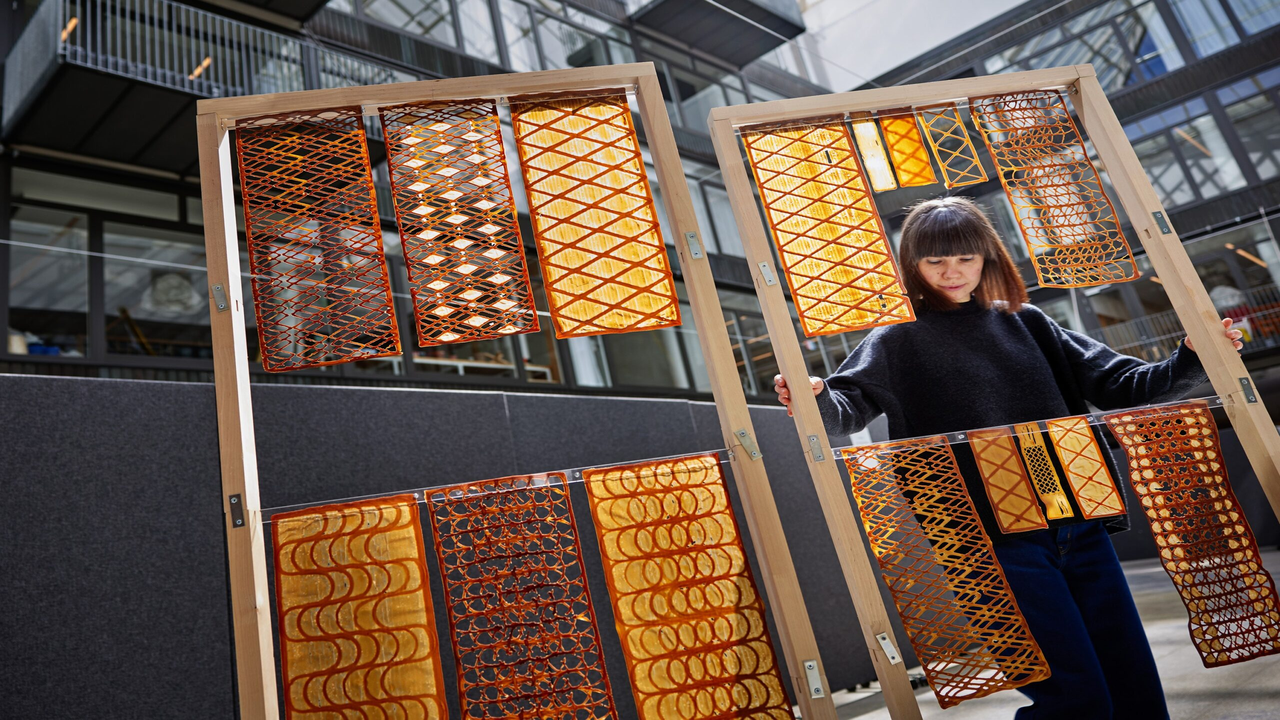
A research team at Chalmers University of Technology in Sweden has engineered an innovative 3D-printable, bio-based soft hydrogel, synthesized from common baker’s yeast, cellulose, alginate, glycerol, and water. This novel material presents a sustainable alternative to conventional building and interior design materials such as plaster, plastics, and synthetic textiles. Its capacity for 3D printing intricate shapes with near-zero waste, combined with its inherent biodegradability and recyclability, positions it as a significant advancement for environmentally conscious construction and design practices.
Technical Details
- Bio-based Composition: The hydrogel’s matrix is predominantly composed of baker’s yeast, a highly accessible and sustainable biomass. This is synergistically combined with cellulose (a plant-derived polymer), alginate (a polymer extracted from seaweed), glycerol (a ubiquitous plasticizer), and water, resulting in an entirely natural and eco-friendly material.
- 3D Printability and Form Freedom: The rheological properties of this hydrogel have been meticulously optimized for fused deposition modeling (FDM) 3D printing. This enables the precise fabrication of intricate geometries and highly customized designs, with this additive manufacturing paradigm substantially reducing material waste when compared to traditional subtractive fabrication techniques.
- Biodegradability and Recyclability: As an inherently bio-based material, the hydrogel is engineered to naturally biodegrade at the conclusion of its service life, thereby mitigating plastic pollution. Furthermore, its constituent components are recyclable, aligning with and supporting circular economy principles critical for the modern construction sector.
- Soft Hydrogel Characteristics: The material’s inherent soft hydrogel nature confers distinctive tactile properties, lightweight attributes, and opens avenues for passive functionalities. These include, but are not limited to, acoustic dampening or thermal insulation, contingent upon its specific formulation and resultant structural morphology.
Background & Context
The global construction and design industries are under increasing imperative to drastically reduce their environmental footprint. This pressure stems primarily from the extensive reliance on non-renewable resources, substantial energy consumption, and considerable waste generation throughout material lifecycles. Consequently, the pursuit of sustainable alternatives to conventional materials—especially plastics and gypsum-based products—has emerged as a paramount global priority. This research from Chalmers University directly responds to this critical demand, presenting a promising bio-based solution that intrinsically aligns with the core principles of ecological sustainability and circular economy.
Strategic Significance & Outlook
This novel yeast-based, 3D-printable hydrogel holds substantial promise for a diverse array of applications across architectural and interior design. Potential applications encompass lightweight, custom-designed partitions, high-performance acoustic panels, innovative furniture components, sustainable lighting fixtures, and intricate decorative elements for both walls and ceilings. Critical future research initiatives will involve a rigorous evaluation of its mechanical strength and load-bearing capacity, comprehensive fire safety performance assessment, detailed analysis of its moisture interaction and long-term stability under varied environmental conditions, and the crucial assessment of its production scalability for large-scale construction projects. Should these formidable challenges be successfully navigated, this bio-based hydrogel is poised to spearhead a transformative sustainable materials revolution within the construction sector, facilitating the adoption of more environmentally benign, creatively versatile, and resource-efficient building practices for generations to come.