Key Findings
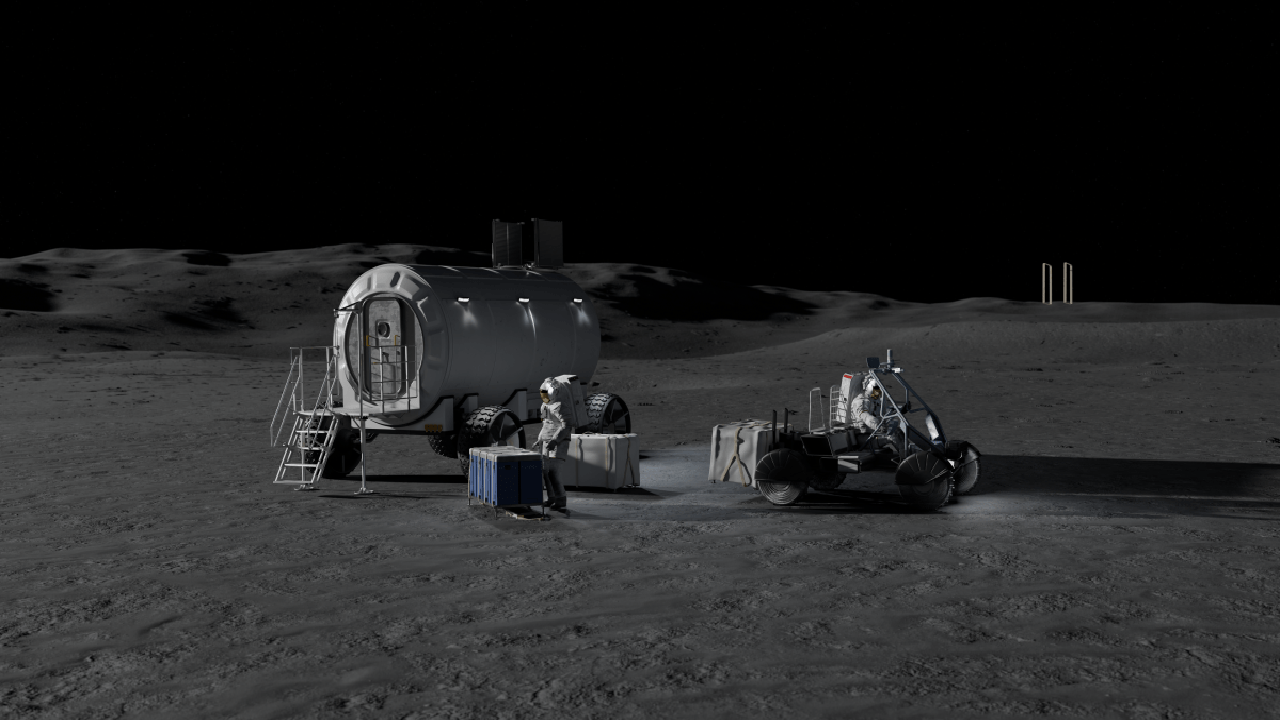
NASA is accelerating a phased plan to establish a permanent lunar base at the Moon’s South Pole by the mid-2030s. This initiative integrates a robust power system combining solar photovoltaics for sunlit periods with nuclear power for the prolonged, frigid lunar nights (lasting approximately 14 Earth days), enabling sustained human presence on the lunar surface.
Technical & Clinical Details
NASA’s lunar base plan envisions a two-phase approach, with initial infrastructure development beginning around 2029. The first phase involves deploying solar arrays with battery storage to meet initial power needs. The use of small Radioisotope Thermoelectric Generators (RTGs) is also included for continuous power supply. In-Situ Resource Utilization (ISRU) forms a central pillar of this plan; technologies for extracting water ice from the lunar South Pole and converting it into potable water, breathable oxygen, and rocket propellant are indispensable. This significantly reduces reliance on costly supply missions from Earth. Furthermore, advancements are being made in technologies for processing lunar regolith into construction materials for shelters and landing pads. Astrolab and Lunar Outpost have secured contracts to develop crewed lunar vehicles by 2028; these robotic rovers will reconnoiter terrain and pre-position resources to mitigate risks before astronauts arrive.
Background & Industry Context
Through the Artemis program, NASA aims to return humans to the Moon and establish sustainable lunar exploration. The construction of a lunar base is strategically important as a stepping stone for deep-space exploration and as a reservoir of valuable resources. The lunar South Pole, in particular, is considered an optimal location for a base due to its unique terrain offering alternating periods of sunlight and permanently shadowed regions where water ice is likely to exist. China is also advancing its lunar base plans, with a particular focus on investing in nuclear power systems. This move aims to address increasing power demands on the Moon and secure a strategic advantage in the international space development race.
Future Outlook
NASA’s lunar base plan is revolutionary for establishing the foundation for humanity to live and work beyond Earth’s confines. The establishment of a permanent base by the mid-2030s is expected to foster new industries such as scientific research, resource mining, and space tourism. However, a sustainable lunar presence may take an additional decade or more, and many technical, economic, and political challenges remain. Strategic development of infrastructure, including power systems, storage, and logistical assets, is crucial, with international cooperation and private sector participation being key to realizing this grand vision. The lunar base will also serve as an important testbed for future Mars missions, turning the dream of human space colonization into a reality.
Source: https://www.astronomy.com/space-exploration/how-nasa-plans-to-build-a-moon-base/