Key Findings
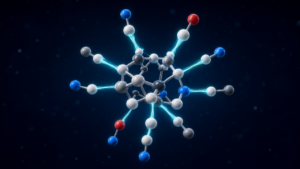
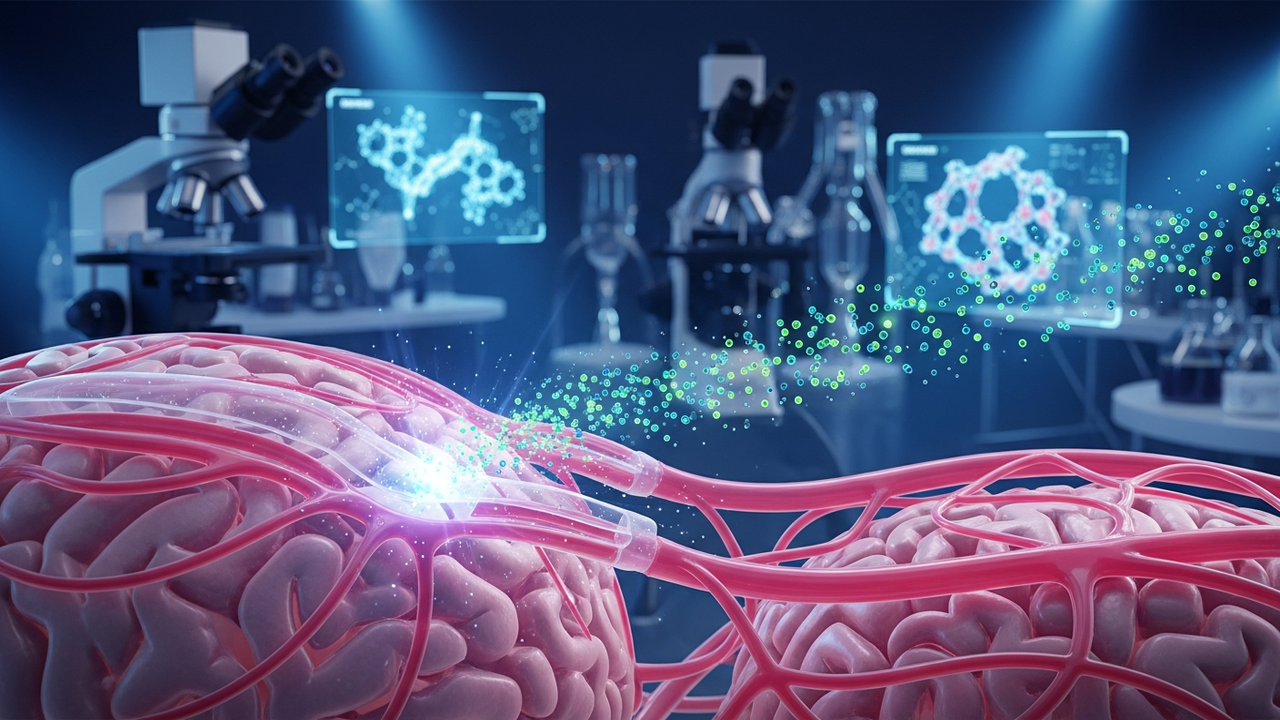
A research paper published in the journal Neuron presented the discovery of a novel small molecule designed to temporarily and reversibly open the blood-brain barrier (BBB), along with compelling preclinical data. This groundbreaking approach holds the potential to significantly enhance the delivery of various therapeutic agents to the central nervous system (CNS), which have historically struggled to reach the brain effectively.
Technical / Clinical Details
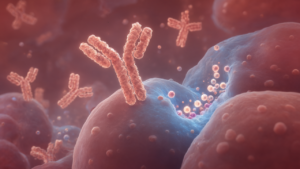
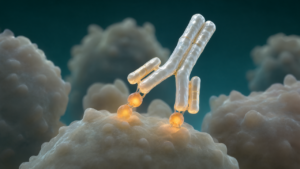
This novel small molecule functions by transiently loosening the tight junctions that comprise the BBB, thereby allowing drugs to cross into the brain. In preclinical studies conducted both in vitro and in vivo (in rodents and non-human primates), administration of this small molecule was followed by safe and reversible BBB opening. Subsequently administered fluorescently-labeled molecules and therapeutic agents (e.g., antibodies, enzymes, gene therapy vectors) were efficiently delivered into the brain. The BBB opening effect was confined to a specific time window (e.g., several hours) and then rapidly reversed to its normal closed state, minimizing the risk of compromising the brain’s protective function. This small molecule achieves high selectivity and a low toxicity profile by targeting specific receptors or pathways that modulate BBB permeability.
Background & Context
CNS disorders represent one of the most challenging areas for drug development, despite a growing patient population worldwide. One major reason is the presence of the BBB, which protects the brain from pathogens and toxins. The BBB effectively blocks the passage of over 98% of small molecule drugs and almost all large molecule therapeutics (proteins, antibodies, nucleic acids), posing a significant barrier to CNS drug discovery. Previous strategies to overcome the BBB included invasive injections, BBB-permeable liposomes, or modified viral vectors, each with its own set of challenges. This novel small molecule, offering non-invasive and reversible BBB opening, represents a breakthrough solution with the potential to overcome these limitations.
Strategic Significance & Outlook
This novel small molecule holds the potential to fundamentally transform the delivery of therapeutic agents for CNS disorders such as Alzheimer’s disease, Parkinson’s disease, multiple sclerosis, and brain tumors. Many CNS therapeutics currently in clinical development are limited by poor BBB penetration, but co-administration with this technology could dramatically enhance their therapeutic efficacy. Further safety evaluation and proof-of-concept in human clinical trials are anticipated. If successful, it would resolve a major bottleneck in CNS drug discovery and provide a crucial tool to bring new hope to patients suffering from neurological disorders.
Source: #