Key Findings
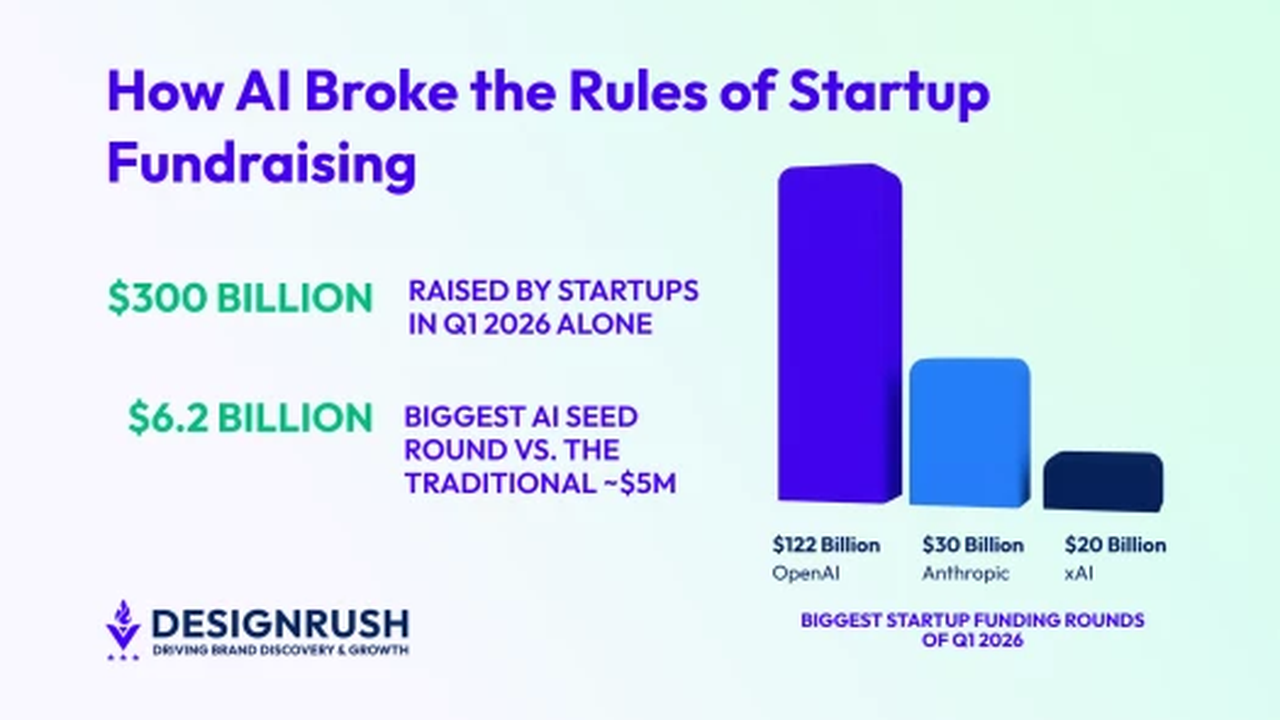
The Artificial Intelligence (AI) sector has fundamentally disrupted traditional startup funding models, utterly transforming the concept of investment stages. What were once multi-million dollar seed rounds are now, in some cases, reaching billions, exemplified by companies like Anthropic rapidly ascending from a $3.5 billion valuation to a $13 billion Series F round within a single year. In the first quarter of 2026 alone, a staggering approximately $300 billion was poured into AI startups, effectively rendering conventional funding stage labels such as ‘seed’ and ‘Series A’ inconsistent and increasingly obsolete in their traditional meaning.
Technical / Clinical Details
This unprecedented acceleration in funding is attributed to the rapid evolution of AI technology, particularly large language models (LLMs) and generative AI, and their immense potential for market disruption. Companies like OpenAI, Anthropic, and xAI are investing colossal sums in developing frontier AI models that demand vast computational resources and top-tier talent. Unlike traditional startups, which typically require staged funding to prove product development and market fit, AI companies are securing massive capital at early stages with huge valuations to establish a competitive advantage. This approach dramatically shortens the time-to-market and reduces the cost associated with AI model training and deployment.
Background & Context
AI is widely recognized as the technology driving the next industrial revolution, attracting fervent attention and colossal sums from investors worldwide eager to identify the ‘next NVIDIA’ or ‘next Google.’ This investor enthusiasm is rooted in the expectations for AI’s transformative potential and the perceived importance of dominating the market early. However, this overheated funding environment also raises concerns about an AI bubble and the problematic concentration of capital in a few giant corporations. It suggests that traditional venture capital models are struggling to keep pace with AI’s rapid evolution and high development costs, prompting a search for new funding mechanisms.
Strategic Significance & Outlook
As AI continues to disrupt traditional startup funding, companies will need to explore flexible fundraising strategies that align with their unique needs, rather than adhering to conventional stages. This trend is likely to increase M&A activities in the AI sector and highlight the importance of long-term capital provision from strategic investors. Conversely, smaller startups and research-based projects will need to establish unique growth paths through partnerships with larger entities or by differentiating themselves in niche markets. The AI funding landscape will continue to evolve, decisively influencing the pace and direction of innovation in this pivotal field, and shaping who will ultimately control the AI future.
Source: https://www.designrush.com/agency/business-consulting/trends/ai-startup-funding-stages