Key Findings
CB-011, the first allogeneic anti-BCMA CAR T-cell therapy engineered with immune cloaking technology, has achieved a remarkably high overall response rate (ORR) in its Phase 1 CaMMouflage clinical trial for patients with relapsed/refractory heavily pretreated multiple myeloma. This off-the-shelf product facilitated rapid patient enrollment, delivered deep and durable responses, and maintained a manageable safety profile. Researchers emphasize CB-011’s significant potential to overcome challenges associated with current multiple myeloma treatments, particularly resistance after relapse and issues of accessibility. Furthermore, the trial observed a relatively rapid recovery of the patients’ native immune system following treatment.
Technical and Clinical Details
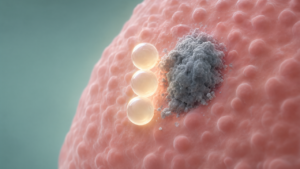
CB-011 employs proprietary immune cloaking technology designed to overcome immune rejection, a critical challenge for allogeneic CAR T-cell therapies. Specifically, it involves downregulating the expression of major histocompatibility complex (MHC) classes I and II, thereby evading recognition by the patient’s immune system and enhancing the engraftment and persistence of the therapeutic cells. The Phase 1 CaMMouflage study was conducted in heavily pretreated patients with relapsed/refractory multiple myeloma. Clinical data consistently showed deep responses across the patient cohort, even in those who had received numerous prior high-dose regimens. Regarding the safety profile, adverse events such as cytokine release syndrome (CRS) and immune effector cell-associated neurotoxicity syndrome (ICANS) were well-managed, showing comparable or even improved safety relative to autologous CAR T therapies. The relatively swift recovery of host lymphocytes post-treatment is also a notable advantage of this therapy.
Background and Industry Context
Multiple myeloma, a cancer of plasma cells, is characterized by recurrent relapses and the development of treatment resistance. While existing therapies, including immunomodulatory drugs, proteasome inhibitors, and antibodies, have improved outcomes, there remains a significant unmet need for patients who become refractory to these treatments. Autologous CAR T-cell therapies have shown groundbreaking efficacy in some patients but are limited by complex and time-consuming manufacturing processes (several weeks), the necessity for patient-derived lymphocyte collection, and high costs. Off-the-shelf allogeneic CAR T-cell therapies like CB-011 offer the potential to address these challenges by providing readily available, pre-manufactured products, which can dramatically improve patient access and reduce manufacturing expenses. The immune cloaking technology is key to ensuring the long-term engraftment and efficacy of allogeneic cell therapies, garnering substantial interest across the industry.
Strategic Significance and Outlook
The high response rates and manageable safety profile demonstrated in the Phase 1 trial of CB-011 significantly elevate expectations for its potential as a new option in multiple myeloma treatment. These promising results will accelerate future late-stage clinical development and pave the way for regulatory submissions. If approved, CB-011 could become a more accessible, effective, and safer therapeutic option for patients with relapsed/refractory multiple myeloma. The advancements in allogeneic CAR T-cell therapy and immune cloaking technology are poised to transform the treatment paradigm for hematologic cancers, with future developments expected to explore applications in other solid tumors and autoimmune diseases.