Key Findings
Beam Therapeutics has announced positive data from its clinical trial of BEAM-302, a gene-editing candidate designed to treat Alpha-1 Antitrypsin Deficiency (AATD), demonstrating sustained levels of protective protein. This encouraging outcome suggests the potential for an accelerated FDA approval pathway, significantly exceeding market expectations. Following the announcement, Beam Therapeutics’ stock price increased by 5.2%, reflecting growing investor confidence in the company’s broad pipeline of precision genetic medicines. The advancement of BEAM-302 further validates the robustness of Beam’s innovative base editing technology platform.
Technical and Clinical Details
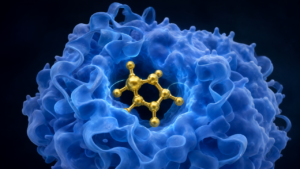
BEAM-302 is a gene-editing therapeutic leveraging Beam Therapeutics’ proprietary base editing technology, which aims to directly correct specific mutations within the SERPINA1 gene responsible for AATD, at the DNA level rather than the RNA level. AATD is a genetic disorder that causes severe lung and liver damage due to a deficiency in alpha-1 antitrypsin (AAT), a protective protein produced in the liver. Clinical trial data for BEAM-302 demonstrated a sustained increase in the levels of functional AAT protein in treated patients. This highlights the potential of base editing to correct the underlying genetic cause of the disease with a single administration, leading to long-lasting therapeutic effects. Unlike conventional gene therapies, base editing does not involve creating double-strand breaks in DNA, which is expected to reduce the risk of off-target effects and provide a superior safety profile.
Background and Industry Context
AATD is a rare genetic disorder that affects millions worldwide, often going undiagnosed. Existing treatments primarily involve AAT protein augmentation therapy, which is costly, requires lifelong regular infusions, and does not completely halt disease progression. Gene-editing therapies like BEAM-302 hold the promise of fundamentally addressing the root cause of the disease with a single treatment, potentially dramatically improving patients’ quality of life and reducing the burden on healthcare systems. The FDA’s expedited approval pathways are designed to accelerate innovative therapies for serious conditions with unmet medical needs, and BEAM-302’s potential eligibility for such a pathway underscores its significant clinical impact.
Strategic Significance and Outlook
The positive clinical data for BEAM-302 and the potential for an accelerated FDA pathway represent a major milestone for Beam Therapeutics. The company is expected to expedite the development of BEAM-302, aiming for early regulatory approval. Success in AATD treatment would solidify the effectiveness and safety of base editing technology, instilling significant confidence in other pipeline programs, including those for sickle cell disease and other rare genetic disorders. Beam Therapeutics’ technology has the potential to fundamentally transform how genetic diseases are treated, bringing about a future where true cures are possible. The market will continue to closely monitor the progress of future clinical trials and regulatory interactions.