Key Findings
A professor at East Texas A&M University (ETAMU) is contributing to the development of a sustainable and self-healing ‘bio-enhanced carbon-negative geopolymer concrete,’ supported by a $250,000 research grant. This innovative concrete aims to significantly reduce carbon emissions associated with traditional cement production while simultaneously enhancing material durability.
Technical / Clinical Details
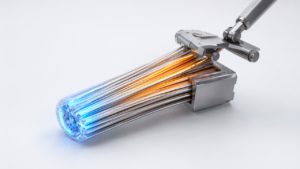
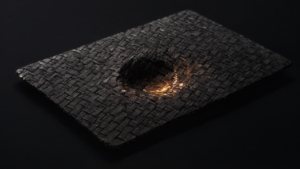
The core of this project involves integrating nanocoated carbon nanofibers (CNFs) into a geopolymer concrete matrix. Geopolymer concrete is an environmentally friendly material that uses industrial waste and byproducts, such as fly ash and blast furnace slag, as raw materials instead of cement, substantially reducing CO2 emissions during its curing process. The nanocoating on the CNFs introduces a self-healing capability for microcracks within the concrete, thereby improving the material’s lifespan and structural integrity. Furthermore, the incorporation of CNFs not only enhances the mechanical strength of the concrete but also plays a crucial role in achieving its ‘carbon-negative’ characteristic, meaning the material itself can result in net-zero or even negative carbon emissions.
Background & Context
The construction industry accounts for a significant portion of global CO2 emissions, with cement production being one of the primary contributors. Amid increasing demand for sustainable construction materials, geopolymer concrete has emerged as a promising alternative. However, further enhancing its performance and imparting self-healing capabilities are essential for promoting its adoption in large-scale infrastructure projects. This research has significant implications for the construction industry, as it promises to improve concrete durability, reduce lifecycle costs, and directly contribute to climate change mitigation. The fusion of nanotechnology and materials science is proving to be key in addressing environmental challenges.
Strategic Significance & Outlook
The development of this self-healing, carbon-negative geopolymer concrete holds the potential to redefine the future of the construction industry. The research team will continue to conduct further studies to evaluate the long-term performance, durability, and scalability of this material for large-scale production. Key areas of focus will include the efficiency of the self-healing mechanism under various environmental conditions and the establishment of cost-effective manufacturing methods. If commercialized, this technology could offer more environmentally friendly and nearly maintenance-free sustainable solutions for infrastructure construction, including roads, bridges, and buildings, thereby ushering in a paradigm shift in global construction practices.