Key Findings
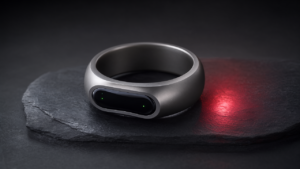
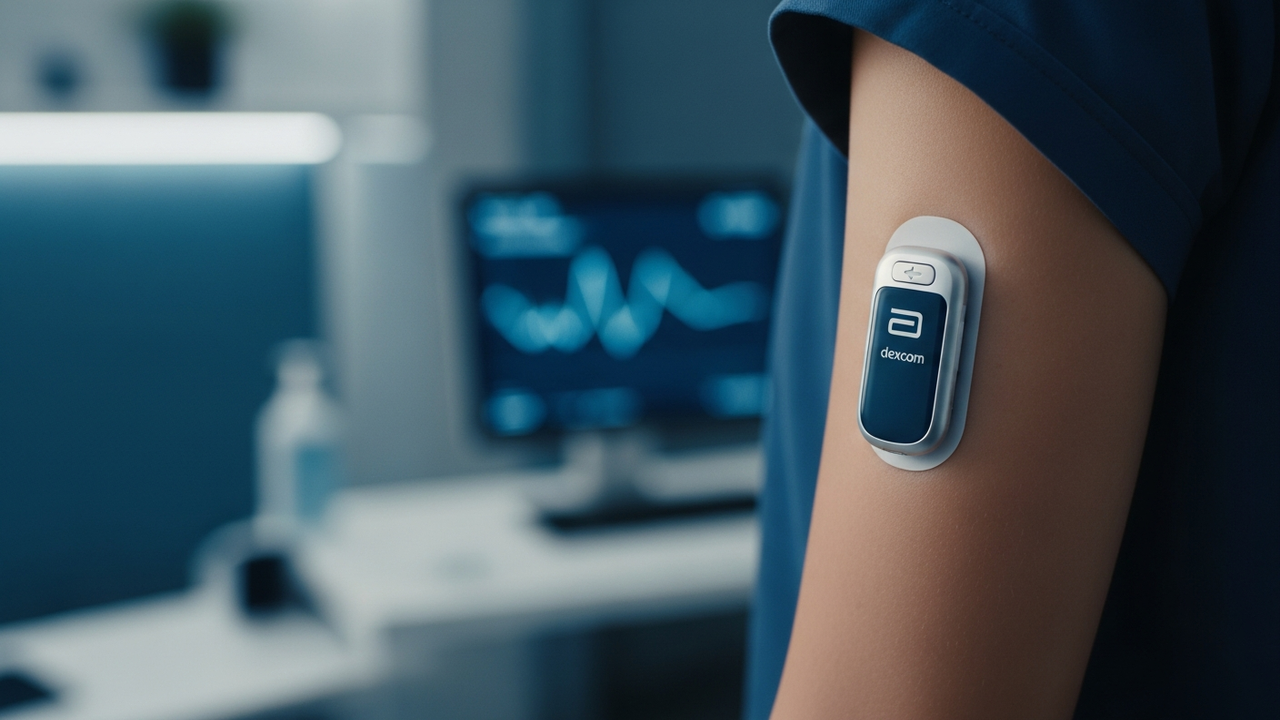
The U.S. Food and Drug Administration (FDA) has approved continuous glucose monitoring (CGM) systems, including Dexcom Stelo and Abbott’s Lingo (along with its FreeStyle Libre series), which eliminate the need for finger-prick blood glucose tests. This represents a major advancement in metabolic management, particularly for adults not on insulin therapy and individuals with Type 2 diabetes, by providing real-time, non-invasive (or minimally invasive) glucose data. This progress is expected to significantly enhance patients’ quality of life and enable more effective diabetes management. However, the FDA issued a safety warning in February 2024, explicitly stating that smartwatches and smart rings claiming to measure blood sugar without skin puncture are unapproved and lack medical-grade accuracy.
Technical and Clinical Details
Dexcom Stelo is the first continuous glucose biosensor approved by the FDA for over-the-counter (OTC) use in adults, specifically targeting non-insulin users. Similarly, Abbott’s Lingo and FreeStyle Libre series utilize small sensors worn under the skin to measure glucose concentrations in the interstitial fluid, transmitting this data via Bluetooth to smartphone applications in real-time. Many of these devices eliminate the need for daily calibration after an initial warm-up period, significantly reducing patient burden. The data integrates with cloud-based platforms, allowing patients and healthcare providers to track glucose trends and assess the impact of diet, exercise, and pharmacological treatments. This capability is crucial for reducing the risk of complications such as diabetic ketoacidosis (DKA).
Background and Industry Context
The increasing prevalence of diabetes has fueled a growing demand for more convenient and continuous glucose monitoring solutions. Traditional finger-prick methods are often painful and struggle to capture the full picture of glycemic fluctuations throughout the day. The evolution of CGM offers a powerful solution to this challenge. Particularly, OTC approval for non-insulin users is expected to broaden CGM adoption among pre-diabetic individuals and health-conscious general consumers, accelerating the era of personalized metabolic health management. Meanwhile, ‘truly non-invasive’ blood glucose measurement technologies, such as those employing microwaves, Raman spectroscopy, or sweat and pulse analysis, are under research but still face significant accuracy and reliability hurdles, preventing widespread FDA approval.
Strategic Significance and Outlook
FDA-approved CGM systems are expected to continue evolving with enhanced features and improved convenience. AI-integrated personalized nutritional guidance and predictive alerts based on glucose trends may become standard functionalities. However, the practical application of truly non-invasive glucose measurement technologies will require substantial further R&D and rigorous clinical validation. The industry is broadly moving towards leveraging CGM data to advance preventive medicine and optimize personalized diabetes care. Regulatory bodies will continue stringent oversight and guidance to mitigate risks to patient health posed by inaccurate information from unapproved devices.