Key Findings
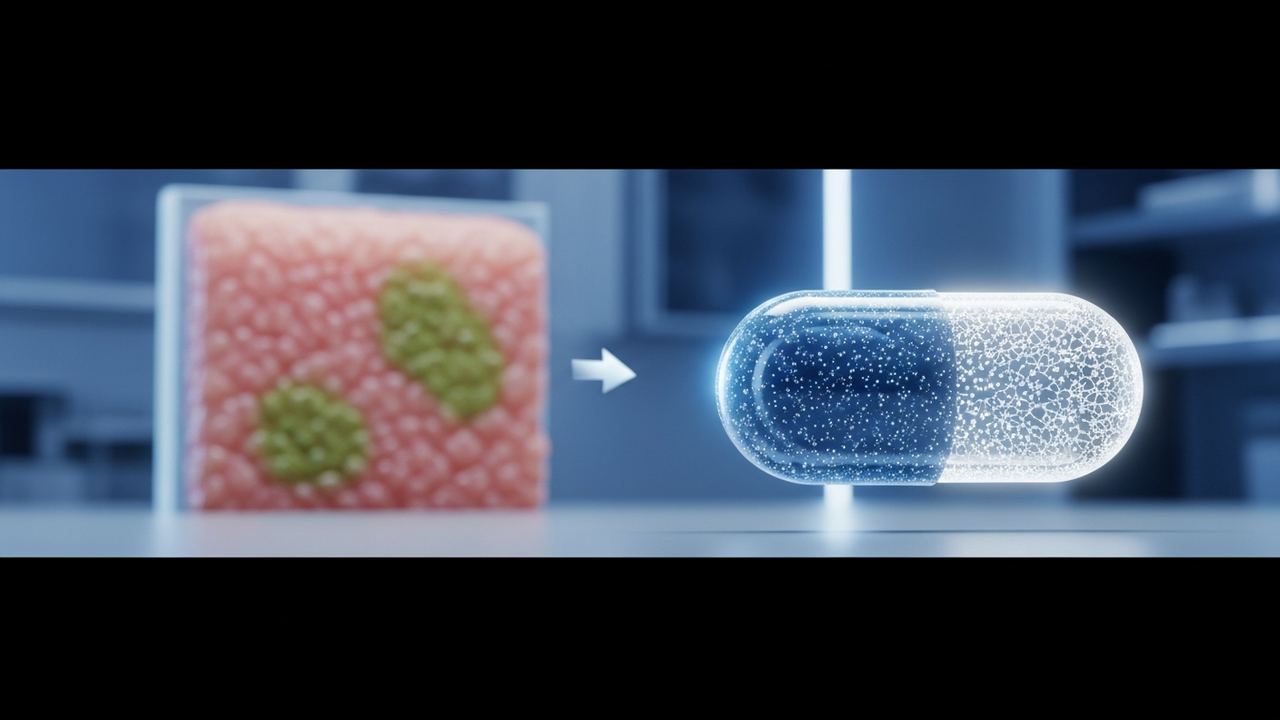
On June 4, 2026, the U.S. FDA granted approval to icorokinra, an oral IL-23 receptor antagonist peptide, for the treatment of moderate-to-severe plaque psoriasis. This milestone represents a significant breakthrough in drug delivery systems (DDS) for peptides, effectively bridging the efficacy of injectable formulations with the convenience of oral administration.
Technical / Clinical Details
The approval of icorokinra is a testament to the success of permeation enhancer technologies, such as SNAC (Salcaprozate Sodium), which address the critical challenges of enzymatic degradation and low intestinal permeability that have historically plagued oral peptide therapeutics. While oral bioavailability for peptides typically remains low, often around 1%, the enhanced delivery achieved with icorokinra allows for clinically meaningful drug concentrations. This oral formulation offers considerable advantages in patient compliance and avoids injection-site reactions, which are common with parenteral therapies. The IL-23 pathway is a key driver in the pathophysiology of psoriasis, and its oral inhibition provides a new, convenient treatment option. However, achieving optimal therapeutic effects may still necessitate high doses and adherence to specific administration conditions, such as fasting.
Background & Context
Historically, peptide-based drugs have predominantly been administered via injection due to their inherent instability in the gastrointestinal tract. The success of oral semaglutide (Rybelsus) for diabetes has significantly spurred research and development in oral peptide DDS. Icorokinra’s approval marks the first successful translation of advanced oral peptide technology, previously established in endocrinology, into the field of dermatology. This development is expected to catalyze further innovation across other disease areas where patient adherence to chronic medication regimens is paramount.
Strategic Significance & Outlook
The FDA approval of icorokinra is poised to accelerate the research and development of oral peptide therapeutics for a wide range of diseases in the coming years. As patient-centric care gains increasing importance, the demand for convenient oral formulations that reduce treatment burden for chronic conditions will continue to grow. Future efforts will likely focus on further improving oral bioavailability, reducing dosing frequency, and broadening the applicability of advanced DDS technologies to a wider array of peptide molecules. This ongoing innovation will not only transform the pharmaceutical industry but also offer substantial benefits to a larger patient population globally.
Source: https://www.dermatologytimes.com/view/the-emerging-role-of-oral-peptide-therapeutics-in-dermatology