Key Findings
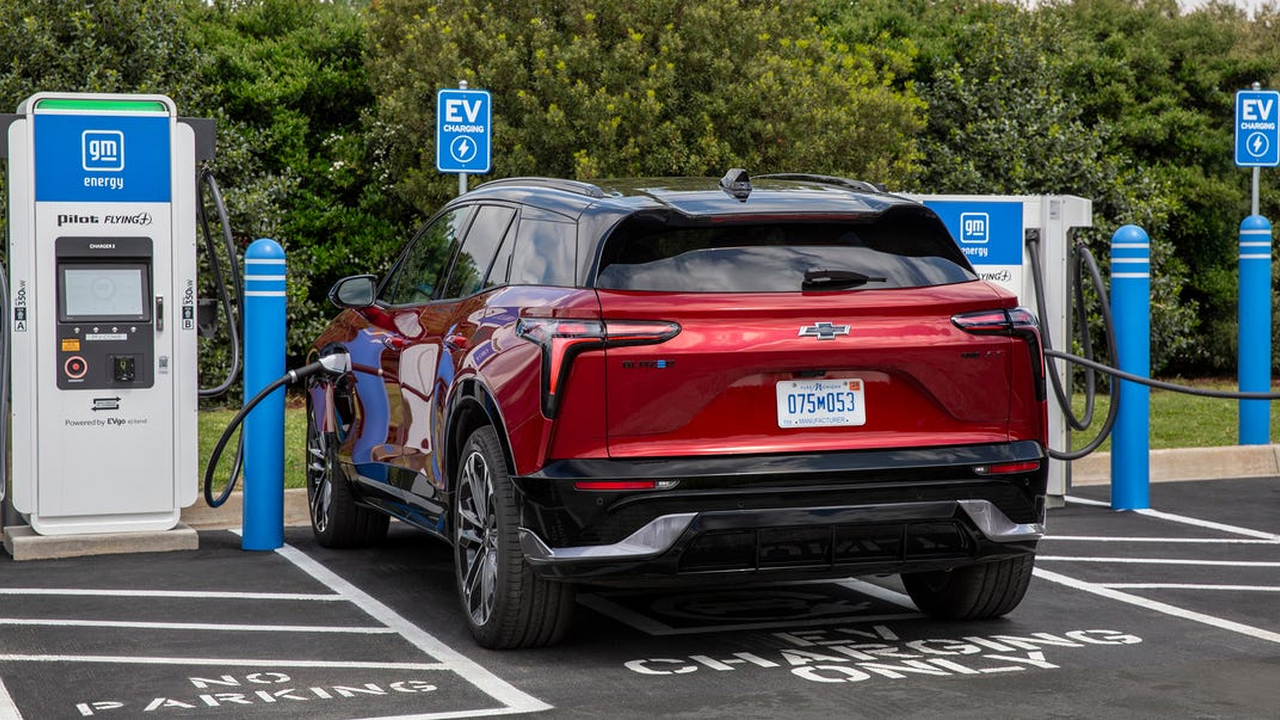
General Motors (GM) is significantly expanding its energy business, announcing a partnership with startup Peak Energy to develop and manufacture sodium-ion battery cells specifically for stationary Battery Energy Storage Systems (BESS). This strategic move aims to provide a cheaper, more robust energy storage solution to meet the escalating power demands of data centers and facilitate greater integration of renewable energy. Simultaneously, GM has announced an expanded partnership with Redwood Materials to deploy a 1.5MW/7.2MWh second-life BESS at one of its Michigan factories, integrating approximately 100 repurposed EV battery packs, which is projected to save over $3 million annually in electricity costs.
Technical Details
The sodium-ion battery cells being developed by GM offer superior low-temperature performance and heat tolerance compared to traditional lithium-ion chemistries. Crucially, they require only minimal heating and no active cooling, significantly reducing the overall complexity and lifetime costs for utilities and data centers. Sodium-ion batteries boast a long operational life exceeding 20 years and high cycle life of 10,000 to 20,000 cycles, and can be manufactured at an even lower cost than Lithium Iron Phosphate (LFP) batteries. This translates to an expected 20-30% cost savings for grid-scale energy storage. The second-life BESS project demonstrates a dual benefit of resource utilization and economic advantage by reusing retired EV battery packs, maximizing their value across their entire lifecycle.
Background and Industry Context
GM’s foray into energy storage reflects a broader trend among automotive manufacturers to evolve beyond just EV production and become comprehensive energy companies. This move mirrors Tesla’s successful playbook in the energy storage market, with GM accelerating its entry into this segment. In Q1 2026, the U.S. installed 9.7 GWh of new BESS capacity, highlighting the accelerating demand, largely driven by the rapid expansion of AI data centers. The abundance and lower sourcing risks of sodium compared to lithium also position sodium-ion batteries as a critical option for mitigating geopolitical supply chain vulnerabilities.
Outlook
The partnership between GM and Peak Energy aims for commercialization of sodium-ion batteries by 2028. If successful, this will introduce significant new competition into the grid-scale energy storage market and enable more stable integration of renewable energy sources. The no-cooling requirement is a distinct advantage for facilities like data centers that demand continuous operation. Furthermore, the utilization of second-life batteries enhances the sustainability of EV batteries and contributes to a circular economy, while also potentially reducing overall battery costs. GM’s multi-faceted energy strategy signals its proactive engagement not only in the future of the automotive industry but also in building sustainable energy infrastructure.
Source: https://www.caranddriver.com/news/a71538744/gm-sodium-ion-battery-cells-plans/






Comments