Key Findings
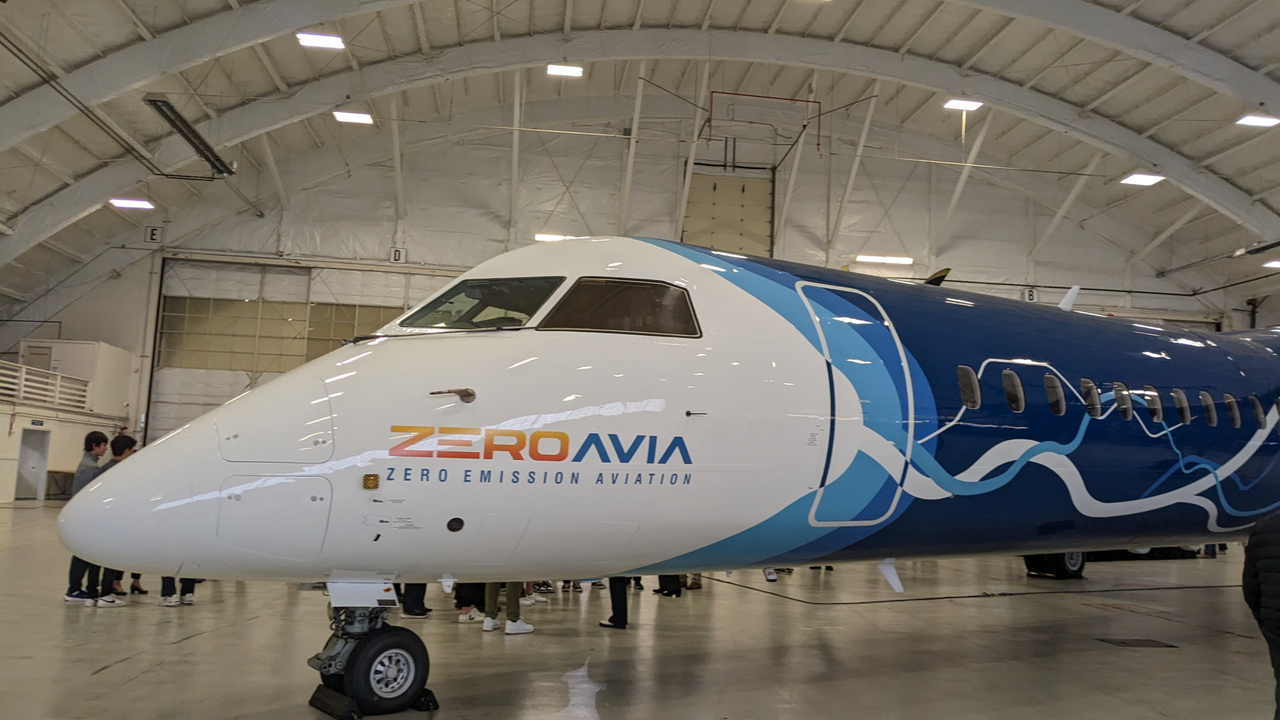
ZeroAvia, a hydrogen aviation startup, has announced its decision to withdraw from the Seattle area and is concurrently scaling back its operational ambitions. This move underscores the inherent challenges faced by the clean aviation sector and the practical difficulties in commercializing hydrogen technology within the U.S. market. The company had previously secured substantial funding, approximately $300 million, from prominent investors including government grants, Bill Gates’ Breakthrough Energy Ventures, and Amazon’s Climate Pledge Fund.
Technical & Clinical Details
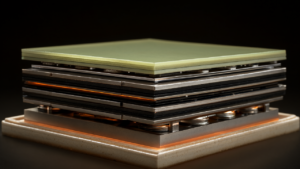
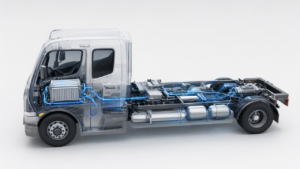
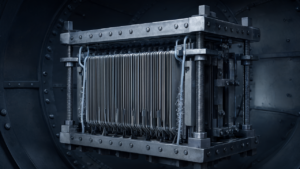
ZeroAvia has been developing hydrogen fuel cell propulsion systems for aircraft, aiming to enable zero-emission flights for regional aviation. Their technology involves supplying hydrogen to fuel cells, which then generate electricity to power electric motors. This system offers environmental benefits by emitting only water vapor during flight, contrasting sharply with conventional jet fuel aircraft. However, significant technical and infrastructural hurdles remain, including hydrogen storage, aircraft integration, and the establishment of comprehensive refueling infrastructure. Commercial-scale implementation, in particular, requires considerable capital investment and time.
Background & Context
The aviation industry is a major contributor to global CO2 emissions and is under increasing pressure to decarbonize. Hydrogen aviation has been hailed as one of the promising long-term solutions to this problem, yet its realization is fraught with challenges related to technological maturity, infrastructure development, and economic viability. Pioneering startups like ZeroAvia, despite securing substantial initial funding, are discovering that the subsequent stages of demonstration and commercialization present steeper hurdles than initially anticipated. This retreat serves as a sobering example of the tough realities involved in commercializing clean aviation technologies, especially those centered on hydrogen.
Strategic Significance & Outlook
ZeroAvia’s decision to scale back and withdraw from a key region will prompt investors and industry stakeholders to re-evaluate their optimistic outlooks on the hydrogen aviation sector. Progress in this field is now being recognized as slower and more capital-intensive than initially projected. Going forward, reductions in hydrogen production costs, development of robust refueling infrastructure, and clarification of regulatory frameworks will be indispensable for the widespread adoption of hydrogen aviation. Researchers and engineers will need to focus on developing more efficient and cost-effective fuel cell systems and hydrogen storage solutions. Investors, in turn, will be assessing the risk-reward balance more cautiously, demanding more realistic roadmaps and a phased approach to implementation. Therefore, a more pragmatic strategy will be crucial for the industry’s sustained development.