Key Findings
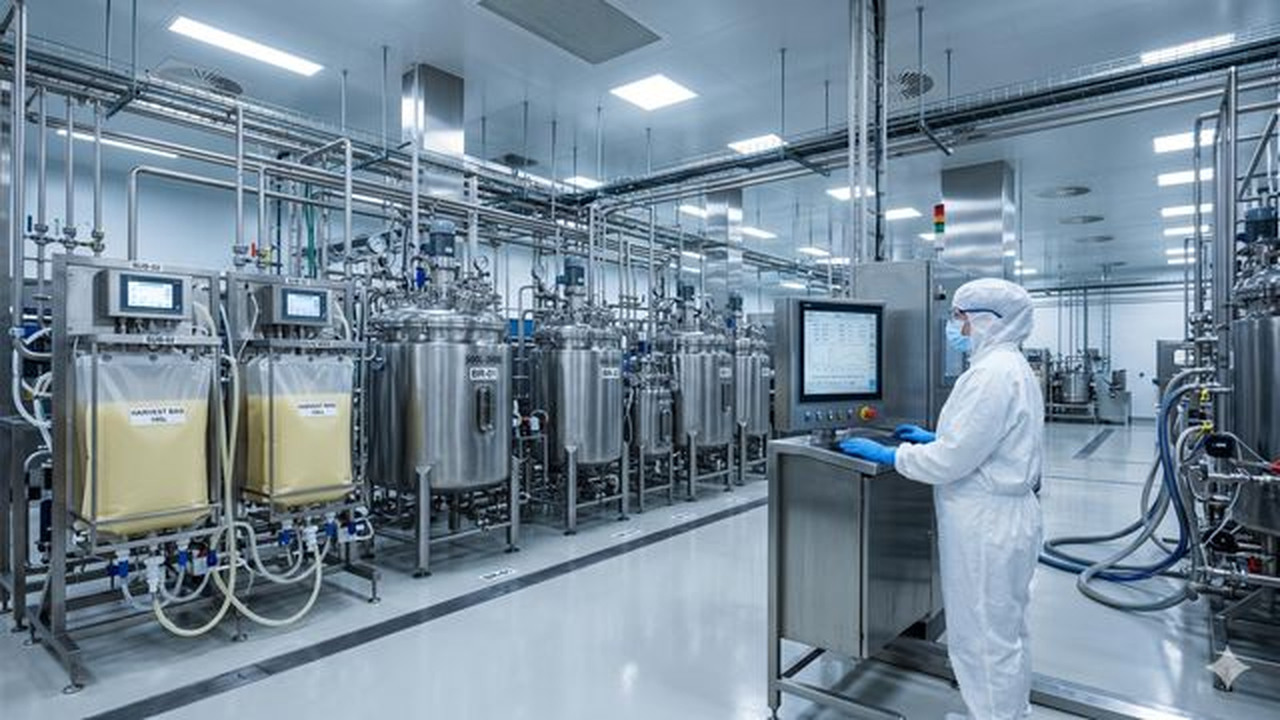
Next-generation Process Analytical Technology (PAT) and industrial Quality Control (QC) testing in bioprocessing are revolutionizing the efficiency and consistency of biopharmaceutical manufacturing through real-time monitoring. The continuous surveillance of critical quality attributes, including cell density, metabolite concentrations, and product titer, particularly in perfusion bioreactors, is demonstrated to be indispensable for substantially boosting productivity and ensuring robust process control.
Technical / Clinical Details
- Implementation of Next-Generation PAT: Moving beyond traditional offline analytical methods, PAT focuses on directly measuring critical parameters within the bioreactor in real time. This capability allows for immediate responses to process fluctuations and ensures the maintenance of optimal culture conditions throughout the run.
- Perfusion Bioreactor Optimization: Perfusion culture offers the advantage of high-density cell cultivation and increased productivity but demands rigorous monitoring due to its inherent complexity. Next-generation PAT solutions continuously track parameters such as cell density, key metabolites (e.g., glucose, lactate), product titer (target protein concentration), pH, and dissolved oxygen (DO) within these systems.
- Real-Time Measurements with Raman Probes: Raman spectroscopy-based probes emerge as powerful tools for non-invasively and in real-time measuring glucose and lactate concentrations directly within the bioreactor. This provides precise insights into the metabolic state of the cells during culture, enabling optimized nutrient feeding strategies and waste removal, which are critical for maximizing yield.
- Product Quality Consistency: Process adjustments based on real-time data are pivotal for enhancing batch-to-batch consistency and stabilizing the quality of the final product. This not only meets stringent regulatory requirements but also accelerates time-to-market for new biotherapeutics.
Background & Context
The rapid expansion of the biopharmaceutical market necessitates significant improvements in manufacturing efficiency and cost reduction. For high-value products like antibody therapeutics and gene therapies, maximizing yield and ensuring stringent quality control are non-negotiable. Next-generation PAT is a cornerstone technology addressing these challenges, facilitating the industry’s shift from traditional batch processing to continuous manufacturing paradigms. Regulatory bodies increasingly advocate for real-time quality assurance, with PAT being a key component of Advanced Manufacturing Technology (AMT) initiatives.
Strategic Significance & Outlook
The integration of next-generation PAT and industrial QC testing is poised to define the future of biopharmaceutical manufacturing. Automated and optimized processes driven by real-time analytics will contribute to reduced production costs, shorter development timelines, and faster market entry for critical medicines. Ultimately, this enables the delivery of a greater volume of high-quality biopharmaceuticals to patients, enhancing the commercial viability of personalized medicine and advanced cell and gene therapies on a global scale.









Comments