Key Findings
Nissan Motor, in collaboration with Oxford University and battery materials manufacturer Gelion, has launched the UK government-funded research project titled ‘Cost-effective, Resilient Solid-state Li–S (CoRe-SoLiS).’ This international partnership aims to develop sulfur-based all-solid-state lithium batteries that achieve high charging power, superior energy density, and extended cycle life.
Technical & Clinical Details
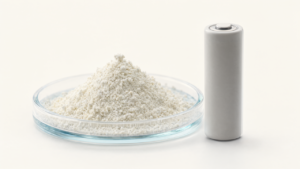
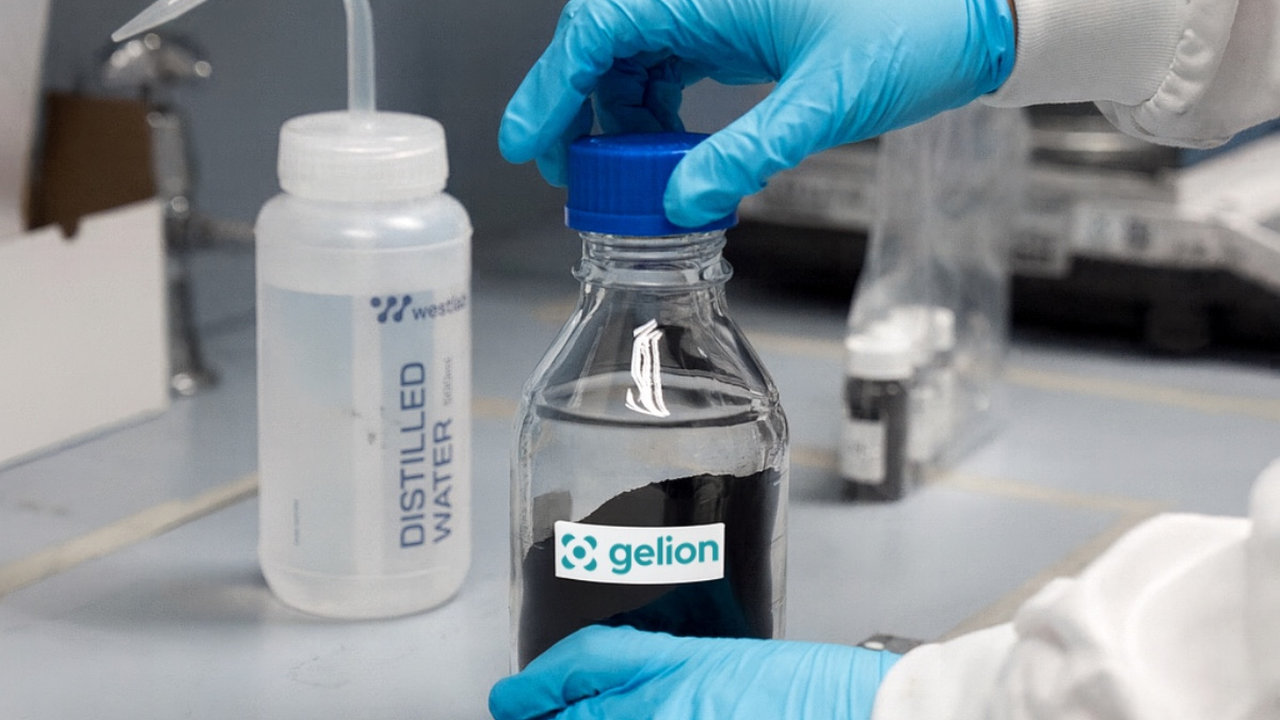
- The CoRe-SoLiS project focuses on integrating Gelion Technologies’ proprietary Nano-Encapsulated Sulfur (NES) cathode material into Nissan’s future all-solid-state batteries for electric vehicles (EVs).
- Sulfur-based cathode materials are theoretically capable of higher energy densities than traditional lithium-ion batteries and are attractive due to their abundance and lower cost. The NES material specifically offers high cost-effectiveness and ease of procurement, making it a strong contender.
- Through this project, the developed solid-state batteries are expected to address the critical challenges of durability and cost, which are major barriers in current battery technology. Particularly, achieving a stable interface between the solid electrolyte and the sulfur cathode is a key technical hurdle.
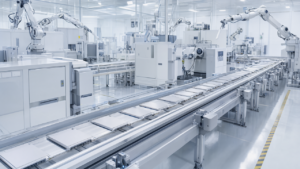
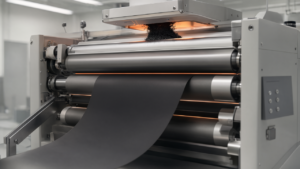
- The characteristic of NES material being easily integrated into existing battery production lines is a vital factor in resolving scalability issues for the mass market introduction of all-solid-state batteries.
Background & Context
To further accelerate the adoption of electric vehicles, next-generation battery technologies that surpass the performance of current lithium-ion batteries are indispensable. While all-solid-state batteries promise significant advancements in safety, energy density, and charging speed, their high cost and complex manufacturing processes have been impediments to commercialization. Sulfur-based all-solid-state batteries are gaining attention as a promising alternative due to their resource sustainability and cost advantages, potentially reducing reliance on scarce metals like nickel and cobalt. The UK government’s funding is part of a broader policy to boost investment in clean energy technologies and foster domestic innovation.
Strategic Significance & Outlook
The CoRe-SoLiS project, spearheaded by Nissan, Oxford University, and Gelion, is poised to be a significant driving force for the commercialization of sulfur-based all-solid-state battery technology. The cost-effectiveness of the NES cathode material and its compatibility with existing production lines will be key to introducing all-solid-state batteries into the mass market. If successful, this research will enable Nissan to offer more high-performance and sustainable battery solutions for future EVs, contributing to further extending EV driving ranges and accelerating their widespread adoption. Moreover, this international collaborative research highlights the potential for UK-Japan partnerships to generate new value in the global battery technology race.