Key Findings
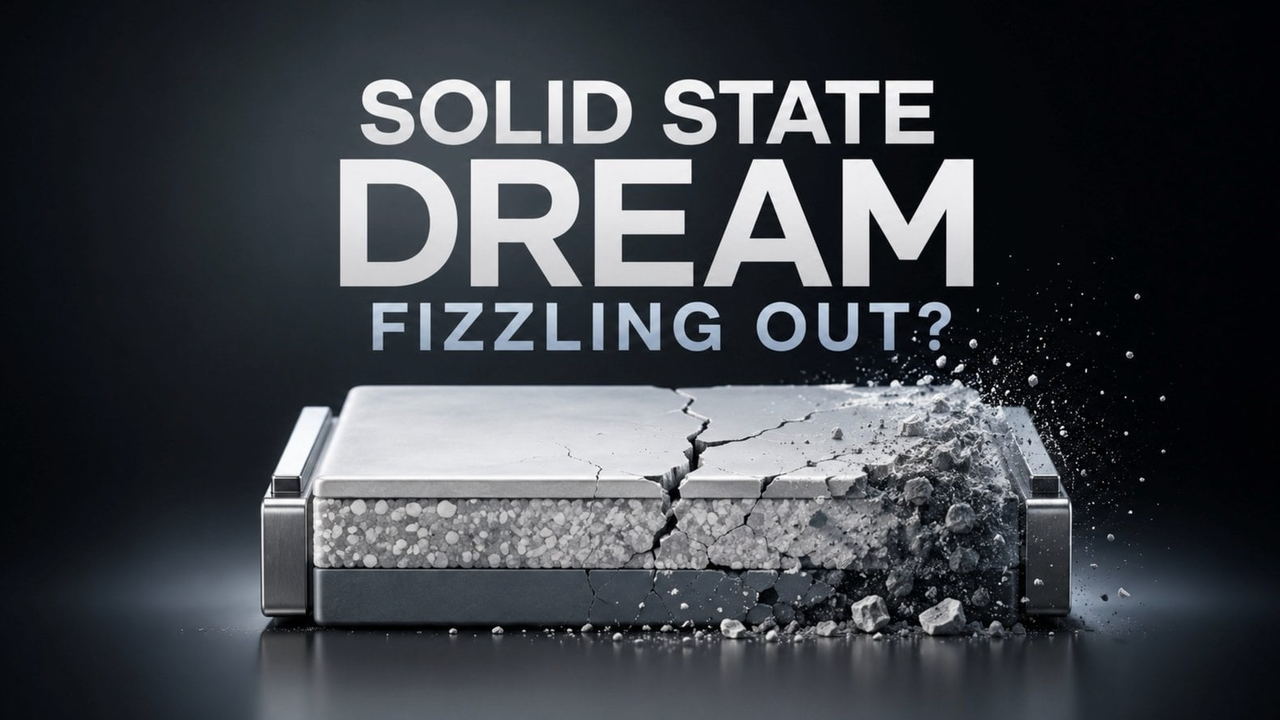
While all-solid-state batteries (ASSBs) garner significant anticipation as a revolutionary next-generation battery technology due to their innovative properties, their mass production still faces considerable challenges, leading to delayed widespread adoption. In response to this, hybrid and semi-solid-state batteries are rapidly emerging as crucial transitional solutions bridging the gap between existing technologies and full solid-state solutions.
Technical & Clinical Details
- The primary advantages of ASSBs include high energy density, rapid charging capabilities, significantly enhanced safety, reduced weight, and extended lifespan. These characteristics are highly appealing for electric vehicles (EVs) and other advanced applications.
- Solid electrolytes, which can be ceramics, polymers, or sulfide compounds, function as a physical barrier against the growth of lithium dendrites. This enables the use of higher energy density lithium metal anodes, which has historically been challenging.
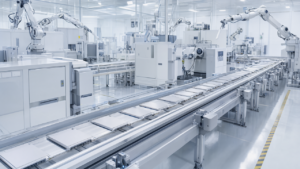
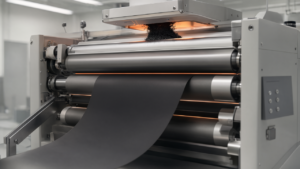
- However, high manufacturing costs of solid electrolytes, significant interfacial resistance between solid-solid contacts, and yield challenges in large-scale production continue to hinder the widespread commercialization of ASSBs.
- Transitional technologies like semi-solid and hybrid batteries address these challenges by retaining a partial liquid electrolyte while leveraging the benefits of solid electrolytes. For instance, SAIC’s MG brand has introduced a hybrid system with reduced liquid electrolyte content in its MG4 models, achieving improvements in charging speed and thermal stability.
- Semi-solid systems offer high compatibility with existing battery production methods, minimizing capital investment while providing superior thermal stability, energy density, and reduced fire risk compared to conventional batteries.
Background & Context
As the electric vehicle market continues its growth trajectory, consumers increasingly demand higher performance and safer batteries. While ASSBs are considered the ultimate solution, their technological and economic hurdles remain substantial. Consequently, battery manufacturers and automakers are turning to semi-solid technologies as a pragmatic option to bridge the gap until full ASSB commercialization. This approach allows for incremental technological evolution and diversifies the risks associated with introducing new technologies to the market.
Strategic Significance & Outlook
The rise of semi-solid and hybrid batteries represents an important pragmatic approach in the battery technology roadmap. These technologies will continue to provide ongoing performance improvements and enhanced safety to the EV market while the challenges of ASSB mass production are addressed. In the long term, the knowledge and supply chains developed through semi-solid technologies may ultimately pave the way for the complete commercialization of ASSBs. The coming years are expected to see a mixed market environment where both semi-solid and all-solid-state batteries coexist and evolve.
Source: https://www.geeky-gadgets.com/why-solid-state-batteries-delayed/