Key Findings
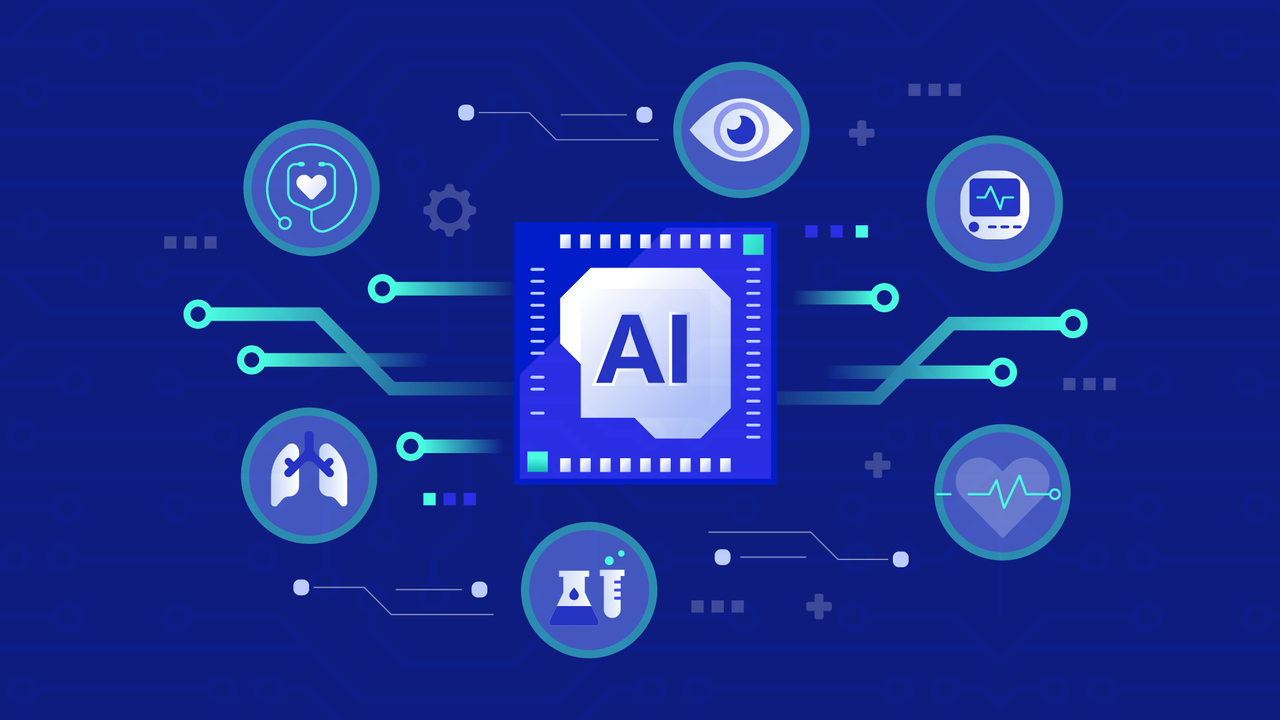
Artificial intelligence (AI) has become central to value creation across all stages of pharmaceutical research and development (R&D), particularly in optimizing target identification, drug repurposing, and clinical trial planning. Leading platforms, such as ThinkBio.Ai, are at the forefront of this transformation.
Technical / Clinical Details
Key AI platforms like ThinkBio.Ai, Schrödinger, and Insilico Medicine leverage cutting-edge technologies including machine learning (ML), generative AI, and multi-omics data integration to accelerate various phases of the drug discovery process. These tools offer capabilities such as:
- Target Identification: Analyzing vast datasets from genomics, proteomics, and metabolomics to identify disease-relevant genes and proteins, thereby proposing novel therapeutic target candidates.
- Drug Repurposing: Discovering new therapeutic applications for existing approved drugs or compounds that failed in previous development, thus reducing development costs and timelines.
- Lead Compound Optimization: Utilizing generative AI to design novel compounds with desired properties, supported by predictions for pharmacokinetics (PK), pharmacodynamics (PD), and toxicity.
- Clinical Trial Planning: AI assists in patient selection, optimization of trial design, and biomarker identification, enhancing the success rate and efficiency of clinical trials.
AI can complete tasks that traditionally took months or years in a matter of weeks, significantly shortening early-stage timelines. However, beyond merely accelerating biological discoveries, the true value of AI in drug discovery hinges on its ability to reliably translate these findings into robust clinical outcomes and identify disease-relevant targets based on stronger scientific rationale.
Background & Context
The pharmaceutical industry has long grappled with escalating new drug development costs and low success rates. The adoption of AI is viewed as a powerful solution to these challenges, driving accelerated global investment in AI-driven drug discovery. AI integrates expertise from data science, computational chemistry, and biology, empowering drug researchers to tackle more complex problems and make more informed decisions. Companies are actively pursuing partnerships with AI startups and insourcing AI capabilities to bolster their pipelines.
Strategic Significance & Outlook
The evolution of AI drug discovery tools is continuous, with their scope and impact expected to broaden significantly. Future advancements are anticipated in areas such as:
- Leveraging Foundation Models: Large models pre-trained on extensive biological and chemical data will be applied to more generalized drug discovery tasks, enabling rapid new drug development through transfer learning.
- Integration with Real-World Data (RWD): AI will analyze large-scale RWD from clinical settings, contributing to more accurate disease understanding and prediction of treatment responses.
- Autonomous AI and Wet Lab: The establishment of autonomous research cycles where AI designs experiments, robots execute them, and AI analyzes the results to inform subsequent experiments.
These advancements promise to further enhance both the ‘success rate’ and ‘speed’ of drug discovery, making AI a pivotal technology for delivering innovative therapies more rapidly to patients suffering from previously intractable diseases.
Source: https://www.thinkbio.ai/resources/biopharma-ai-tools-drug-discovery-clinical-research/