Key Findings
U.S. states, including Massachusetts and Minnesota, are rapidly advancing the deployment of Virtual Power Plants (VPPs) to address increasing energy demand and accelerate the transition away from fossil fuels. VPPs integrate and network distributed energy resources (DERs) such as home batteries and smart thermostats, allowing them to operate as a single, cohesive conventional power plant. This offers a cheaper and cleaner alternative to aging peaker plants. Notably, Massachusetts has set an ambitious target to deploy 3.5 gigawatts (GW) of VPPs by 2035, emphasizing the integration of energy storage and demand response. In 2025, U.S. VPP capacity reached 38 GW, representing a 21% increase over the previous year.
Technical Details
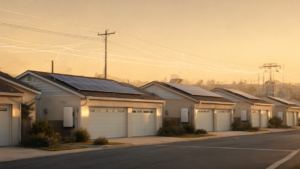
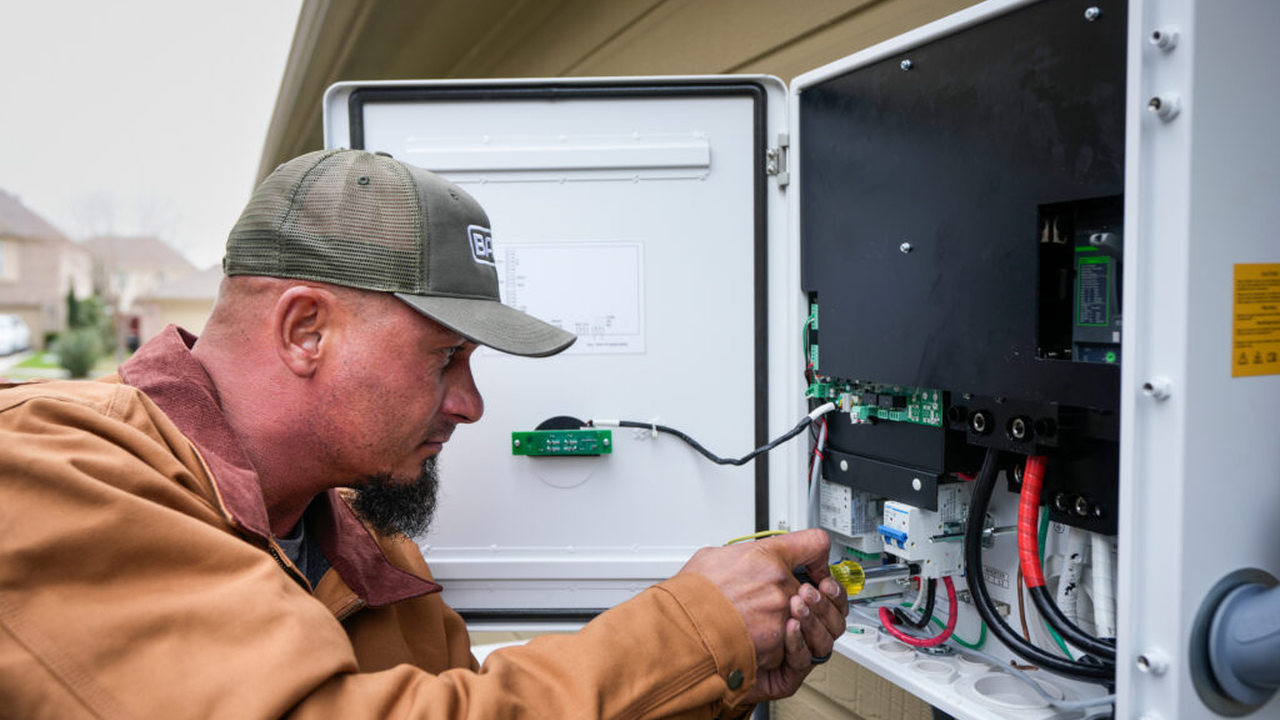
VPPs leverage advanced software and communication technologies to dynamically balance grid supply and demand in real-time. These systems typically integrate home battery storage, rooftop solar installations, electric vehicle chargers, and smart appliances. For instance, during periods of grid strain, a VPP can discharge power from networked residential batteries or temporarily reduce HVAC loads via smart thermostats to mitigate peak demand. Xcel Energy’s approved 200 MW neighborhood-based battery plan in Minnesota serves as a model for how such distributed battery storage can function as part of a VPP, providing direct grid support to local communities. VPPs play a crucial role in addressing the intermittency challenges of renewable energy and enhancing grid resilience.
Background and Industry Context
Several factors in the U.S., including the escalating power demands from the proliferation of AI data centers, aging infrastructure, and ambitious decarbonization goals, are intensifying the need for advanced energy storage solutions. Traditional large-scale power plants and transmission grid expansions are often time-consuming, costly, and carry significant environmental impacts. VPPs offer a more agile and cost-effective approach to addressing these challenges by harnessing existing distributed energy resources. In 2025, approximately one-third of VPP capacity comprised residential assets, and while commercial and industrial resources still dominate, state-level policy actions (over 150 utility, regulatory, and legislative actions tracked in 2025) are strongly propelling VPP development. State policies will remain a critical driver for energy storage deployment in the U.S. for 2026 and beyond.
Outlook
The accelerated adoption of VPPs holds the potential to transform the U.S. power grid into a more flexible, resilient, and sustainable system. Massachusetts’ 3.5 GW target could serve as a model for other states, fostering nationwide VPP deployment. This will lead to a reduction in reliance on peaker plants and contribute to lower greenhouse gas emissions. Furthermore, VPPs offer consumers opportunities to monetize their home energy assets, encouraging participation in energy markets. Future developments are expected to focus on further enhancing VPP optimization and management through the integration of AI and machine learning. Investors and policymakers are keenly observing the role VPPs play in reshaping the future of the power grid, with market size projected to grow rapidly beyond 2026.