Key Findings
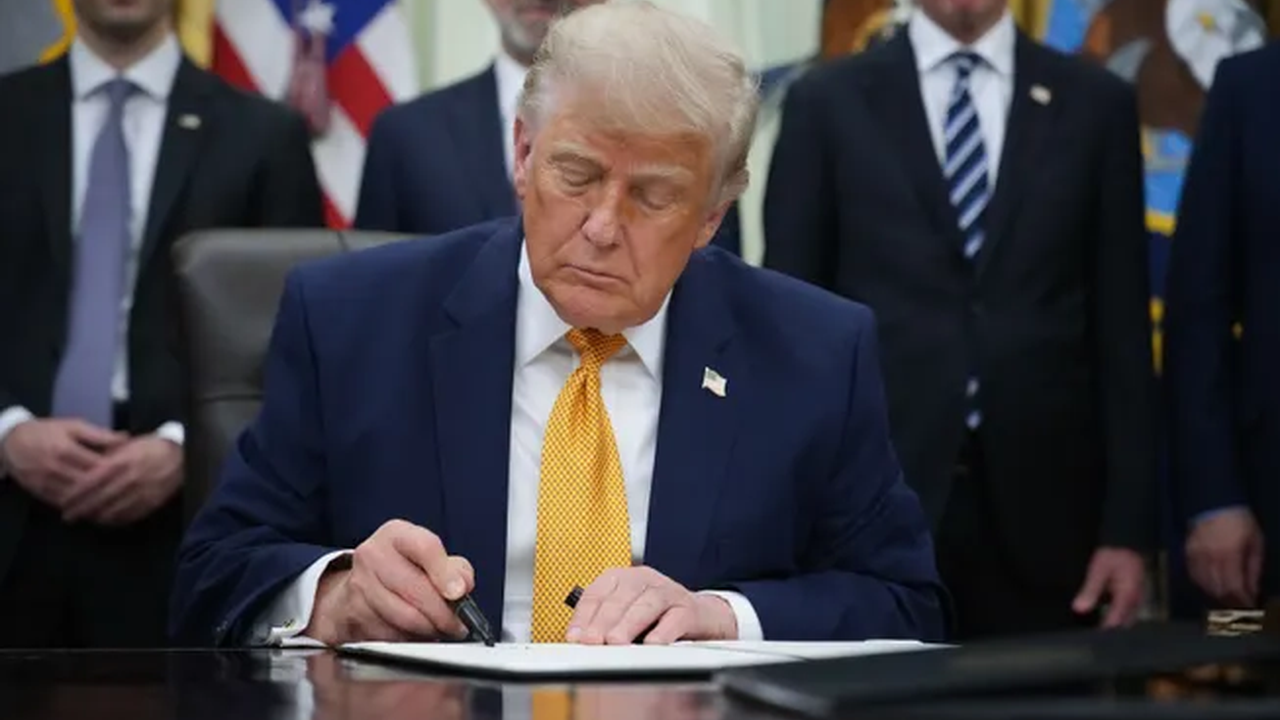
President Trump has issued an executive order that significantly accelerates the U.S. government’s transition to post-quantum cryptography (PQC). The order establishes explicit deadlines for federal agencies and contractors to implement PQC for high-value assets, requiring PQC for key establishment by December 31, 2030, and for digital signatures by December 31, 2031. This move reflects an urgent national priority to safeguard cybersecurity against the imminent threat posed by advanced quantum computers to current cryptographic systems.
Technical / Clinical Details
- Mandated PQC Transition: The new executive order transforms PQC migration from a recommendation into a binding obligation for federal government entities and their private-sector contractors. This is expected to drive widespread adoption of NIST-selected PQC algorithms, such as ML-KEM, ML-DSA, and SLH-DSA.
- Specific Deadlines for High-Value Assets: Critical deadlines have been set for high-value assets, which include systems and data deemed vital for national security. PQC implementation for key establishment must be completed by the end of 2030, and for digital signatures by the end of 2031. These specific timelines enhance accountability and streamline the migration process.
- Federal Contractor Compliance: Federal contractors are also required to comply with NIST’s Federal Information Processing Standards (FIPS) for PQC by the end of 2030. This ensures a comprehensive quantum-resistant posture across the government’s entire supply chain.
Background & Context
The advent of quantum computing poses a significant threat to current public-key cryptography, with the ‘harvest-now-decrypt-later’ threat model becoming increasingly plausible. To preempt this, the U.S. government has prioritized PQC development and adoption. This executive order builds upon the 2022 National Security Memorandum on Quantum Computing, shifting the focus from PQC readiness to active deployment. This strategic push aims to maintain U.S. leadership in quantum technologies, particularly in the face of competition from nations like China, by proactively addressing future cyber threats.
Strategic Significance & Outlook
The executive order sends a strong signal to both federal agencies and the broader private sector, including critical infrastructure owners and operators, to accelerate their PQC migration efforts. Beyond the direct market for PQC products, significant expenditure is anticipated for integrating these new standards into existing cryptographic infrastructure. This will spur substantial demand for quantum-resistant solutions across the cybersecurity industry, accelerating the development and deployment of related technologies. The U.S. has also set a goal to deploy a scientifically relevant quantum computer by 2028, reinforcing its comprehensive national strategy across both PQC and quantum computing.
Source: https://www.cybersecuritydive.com/news/quantum-cryptography-white-house-executive-order/823530/
Get our weekly technology intelligence — free
Receive an infographic that lets you judge at a glance whether each field’s analysis report is worth reading.
Subscribe Free — Weekly Tech Intelligence
By subscribing, you’ll receive Troy-Technical’s weekly technology intelligence newsletter.
- Your email and selected fields are used only to deliver the newsletter.
- We never share your information with third parties.
- You can unsubscribe anytime via the link in each email.
See our Privacy Policy for details.
Takes about a minute · Unsubscribe anytime