Key Findings
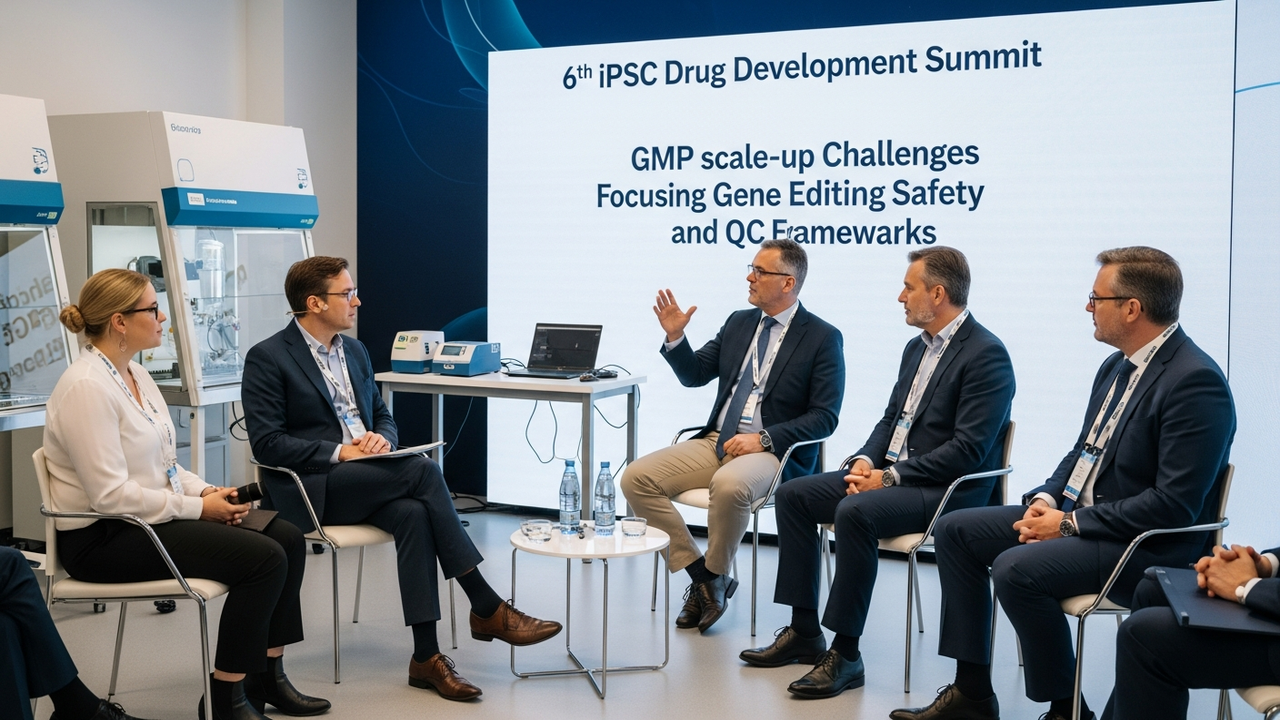
The preview for the 6th iPSC (induced pluripotent stem cell) Drug Development Summit announced that a central theme for discussion will be the diverse challenges associated with scaling iPSC platforms to GMP (Good Manufacturing Practice) standards. Particular emphasis will be placed on the practical implementation of GMP-compatible gene editing strategies and the specific hurdles in commercializing immune-evasive iPSC-derived cell therapies. This summit will serve as a crucial platform for knowledge sharing to accelerate the clinical application and commercialization of iPSC technology.
Technical / Clinical Details
Key challenges to be discussed at the summit include establishing ‘Fit-for-Purpose’ characterization for large-scale iPSC programs. This involves rigorous scientific approaches to ensure that iPSCs and their differentiated progeny reliably possess the necessary quality attributes for their intended therapeutic use. Another critical agenda item is the construction of integrated analytical and Quality Control (QC) frameworks, which are indispensable for consistent quality assurance throughout the manufacturing process and for obtaining regulatory approval.
The summit will also delve deeply into the impact of gene editing on the safety, durability of therapeutic effects, and regulatory confidence in iPSC-derived cells. Specific concerns include the detection of off-target edits, assessment of cell tumorigenicity risk, and ensuring stable expression of therapeutic genes. Immune-evasive iPSC-derived cells are designed to reduce the risk of host rejection in allogeneic transplantation, requiring precise editing of immunogenicity-related genes and the establishment of stable cell lines that do not compromise therapeutic efficacy. Solving these technical challenges is key to enabling broad clinical application of iPSC-derived cell therapies.
Background & Context
While iPSC technology holds revolutionary potential in regenerative medicine, cell therapy, and drug discovery screening, numerous challenges still exist in translating laboratory-level discoveries to clinical and commercial scales. The establishment of GMP-compliant manufacturing processes, the safety evaluation of complex gene edits, and the creation of quality control systems that meet regulatory expectations are common concerns across the industry. Building on discussions from previous summits, this event aims to share practical solutions and best practices for these challenges, maturing the iPSC drug development ecosystem.
Strategic Significance & Outlook
The discussions at the 6th iPSC Drug Development Summit will significantly influence future commercialization strategies for iPSC-derived cell therapies. Standardization of GMP manufacturing processes, improved reliability of gene editing technologies, and the establishment of robust QC frameworks will build the foundation for iPSC therapies to become effective treatment options for a broader range of diseases. Insights and collaborations gained through the summit are expected to strengthen engagement with regulatory authorities and streamline approval processes. This anticipates a future where innovative iPSC-derived therapies can be delivered to patients more rapidly and safely.
Get our weekly technology intelligence — free
Receive an infographic that lets you judge at a glance whether each field’s analysis report is worth reading.
Subscribe Free — Weekly Tech Intelligence
By subscribing, you’ll receive Troy-Technical’s weekly technology intelligence newsletter.
- Your email and selected fields are used only to deliver the newsletter.
- We never share your information with third parties.
- You can unsubscribe anytime via the link in each email.
See our Privacy Policy for details.
Takes about a minute · Unsubscribe anytime