Key Findings
European biotechnology firms are leading breakthroughs in next-generation manufacturing technologies for Cell and Gene Therapies (CGTs), specifically targeting the substantial reduction of current CAR-T therapy costs, which can exceed €60,000 per patient. These advancements aim to overcome critical manufacturing and supply chain challenges, making these transformative treatments more accessible globally.
Technical / Clinical Details
Key technological advancements being championed include:
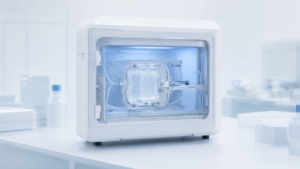
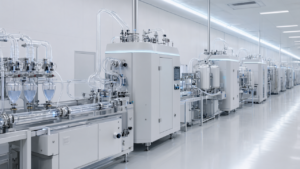
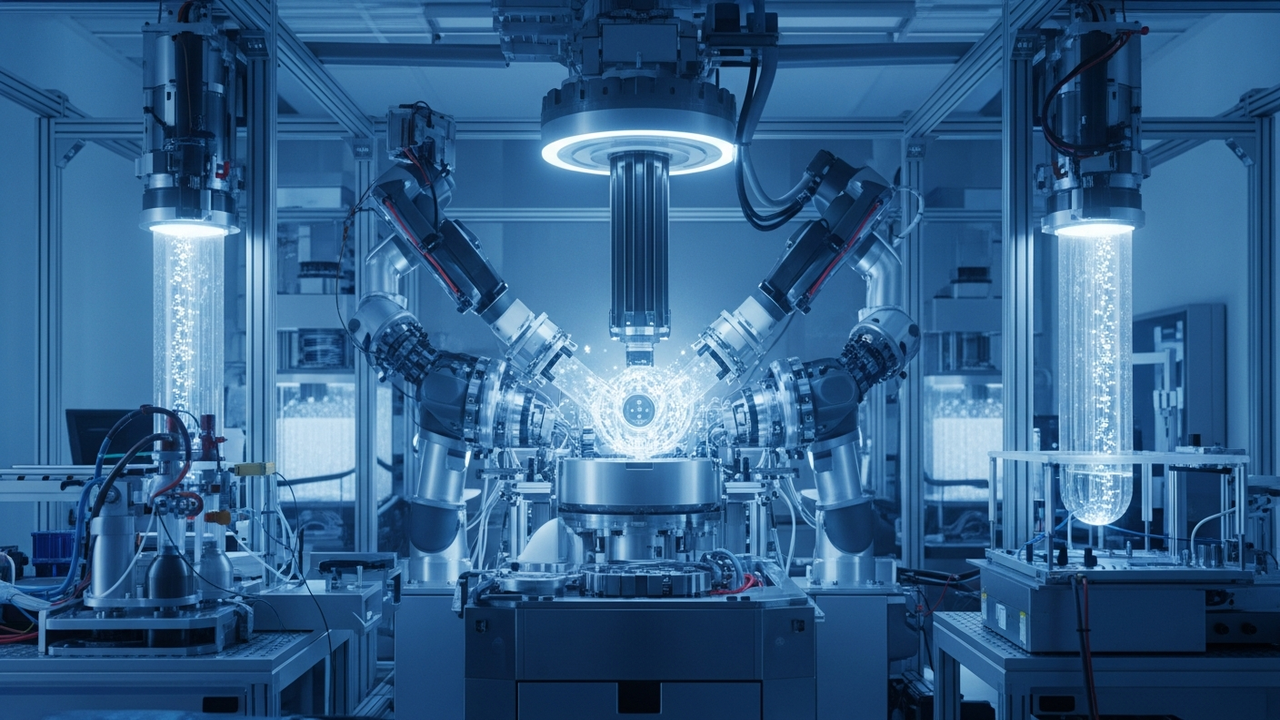
- Automated Closed-Loop Platforms: These systems minimize human intervention, drastically reducing contamination risks and ensuring high consistency in CGT product manufacturing.
- Scalable Lentiviral Vector CDMO Capabilities: Companies like Oxford Biomedica are expanding their capacities to produce lentiviral vectors at scale, which are crucial for gene delivery in therapies like CAR-T.
- Enzymatic Synthetic DNA: Touchlight Genetics is at the forefront of enzymatic DNA synthesis, offering a faster and more flexible alternative to traditional plasmid DNA production, essential for rapid therapy development.
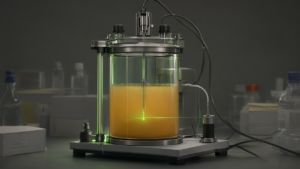
- Bioreactor-Based Stem Cell Expansion: This enables efficient, large-scale cultivation of stem cells, laying the groundwork for developing allogeneic, ‘off-the-shelf’ cell therapies.
These integrated approaches are designed to streamline the complex manufacturing processes inherent in personalized medicine, improving both cost-effectiveness and product quality and safety profiles.
Background & Context
Despite their groundbreaking efficacy, CGTs have been hampered by prohibitive costs and intricate manufacturing logistics. Autologous therapies, requiring patient-specific customization, contribute significantly to these high expenditures and logistical complexities. The European Union is actively investing in R&D and regulatory frameworks to integrate CGTs into a more sustainable healthcare model, recognizing the urgent need for scalable and affordable production methods.
Strategic Significance & Outlook
The widespread adoption of these next-generation manufacturing technologies is expected to dramatically improve CGT production efficiency and lower costs. This will broaden patient access to life-saving treatments and accelerate the growth of the overall CGT market. Furthermore, the standardization and automation of manufacturing processes are anticipated to stabilize global supply chains, paving the way for CGTs to become a more routine and widely available therapeutic option.
Get our weekly technology intelligence — free
Receive an infographic that lets you judge at a glance whether each field’s analysis report is worth reading.
Subscribe Free — Weekly Tech Intelligence
By subscribing, you’ll receive Troy-Technical’s weekly technology intelligence newsletter.
- Your email and selected fields are used only to deliver the newsletter.
- We never share your information with third parties.
- You can unsubscribe anytime via the link in each email.
See our Privacy Policy for details.
Takes about a minute · Unsubscribe anytime