Key Findings
According to a recent peer-reviewed analysis published in 2026, approximately 90 exosome-related human clinical trials are currently ongoing or registered worldwide. This highlights the diverse potential of exosomes as diagnostic biomarkers, therapeutic agents, and molecular delivery systems. Notably, tissue repair within regenerative medicine stands out as one of the most active areas of research.
Technical / Clinical Details
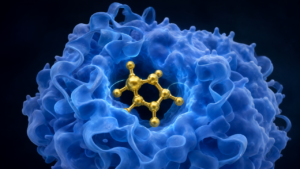
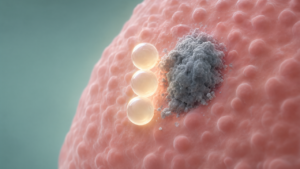
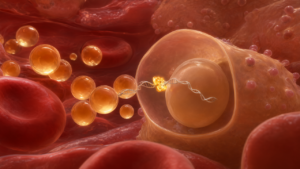
Exosomes are nano-sized extracellular vesicles released by cells, encapsulating lipids, proteins, and nucleic acids (mRNA, miRNA), playing crucial roles in intercellular communication. Their unique properties—biocompatibility, low immunogenicity, and payload protection capabilities—have positioned exosomes as innovative medical tools. Clinical trials primarily fall into three categories:
- Diagnostic Biomarkers: Used for early detection and disease monitoring in cancers (e.g., lung, breast, prostate cancer), neurodegenerative diseases (Alzheimer’s, Parkinson’s), and cardiovascular diseases. Specific miRNAs and proteins encapsulated within exosomes serve as non-invasive liquid biopsy markers.
- Therapeutic Agents: Research focuses on direct therapeutic effects against inflammatory diseases, autoimmune disorders, kidney diseases, and skin conditions. Exosomes themselves have demonstrated anti-inflammatory and immunomodulatory properties.
- Molecular Delivery Systems (DDS): Utilized as carriers to efficiently deliver specific drugs (chemotherapeutic agents, RNAi therapeutics, gene-editing tools) to target cells and tissues. Research is also progressing on engineering exosome surfaces to enhance target specificity.
Particular attention is being paid to regenerative medicine applications in osteoarthritis and cardiac repair post-myocardial infarction, with active clinical trials aiming for tissue repair and functional improvement. Despite this, as of 2026, no exosome therapeutic products have yet received FDA approval.
Background & Context
For decades, exosome research remained largely within basic science. However, beginning in the 2010s, their therapeutic potential became recognized, leading to a rapid shift towards clinical investigation. Exosomes are considered promising ‘cell-free’ therapies, capable of mimicking the therapeutic effects of cells while potentially circumventing the complex manufacturing and safety profile challenges associated with cell-based treatments. Pharmaceutical and biotechnology companies are heavily investing in optimizing exosome isolation and purification technologies, developing large-scale production platforms, and engineering exosomes to target specific diseases. Regulatory bodies are also progressing on establishing guidelines for exosome product classification and approval, supporting the healthy growth of this field.
Strategic Significance & Outlook
The number of exosome clinical trials is expected to continue increasing, with results from early-phase trials (Phase 1/2) being critical determinants of this technology’s future success. Specifically, data on safety, efficacy, and manufacturing scalability will be indispensable for gaining regulatory approval. The emergence of successfully approved exosome therapeutics would revolutionize regenerative medicine, diagnostics, and drug delivery, offering new hope for many diseases previously difficult to treat. Establishing standardized manufacturing protocols and achieving positive results in large-scale clinical trials will be key for exosome technology to transition from ‘hype’ to ‘reality’.
Source: https://omnigenix.com/exosome-clinical-trials-2026-research-update/
Get our weekly technology intelligence — free
Receive an infographic that lets you judge at a glance whether each field’s analysis report is worth reading.
Subscribe Free — Weekly Tech Intelligence
By subscribing, you’ll receive Troy-Technical’s weekly technology intelligence newsletter.
- Your email and selected fields are used only to deliver the newsletter.
- We never share your information with third parties.
- You can unsubscribe anytime via the link in each email.
See our Privacy Policy for details.
Takes about a minute · Unsubscribe anytime