Key Findings
Green hydrogen steelmaking technology is demonstrating the potential to cut CO2 emissions by up to 95% in steel production, heralding a transformative shift for one of the world’s most carbon-intensive industries. This innovative approach fundamentally replaces metallurgical coal, traditionally used in blast furnaces, with hydrogen derived from renewable electricity.
Technical Details
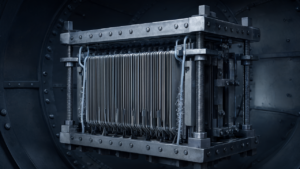
The core of green steel production lies in the direct reduced iron (DRI) pathway, utilizing green hydrogen as the reducing agent. In this process, iron ore reacts with hydrogen—generated through electrolysis powered by renewable energy—to remove oxygen, producing clean iron. Unlike conventional methods that release massive amounts of CO2, this reaction primarily yields water vapor. Pioneering initiatives, such as the HYBRIT project in Sweden (a joint venture between SSAB, LKAB, and Vattenfall), are already constructing and validating commercial-scale green DRI plants, demonstrating the technical and economic feasibility of this method. These facilities integrate large-scale electrolyzers directly with DRI furnaces, optimizing efficiency and minimizing the carbon footprint.
Background & Context
The steel industry is a notoriously challenging sector to decarbonize, accounting for approximately 7-9% of global energy-related CO2 emissions, ranking among the highest alongside cement production. Historically reliant on fossil fuels, it has been categorized as a “hard-to-abate” industry. However, advancements in green hydrogen technology, coupled with significant reductions in the cost of renewable electricity (solar and wind), have made viable alternatives accessible. The increasing maturity and falling costs of electrolyzer technologies further bolster this transition. Moreover, the proliferation of carbon pricing mechanisms, particularly in Europe, creates strong financial incentives for industries to adopt lower-carbon production methods, accelerating investment in green steel projects.
Strategic Significance & Outlook
The adoption of green hydrogen steelmaking is not merely about meeting environmental regulations; it is a strategic imperative for steel manufacturers to build sustainable supply chains and enhance their competitive edge. Industry analysts predict a rapid acceleration in the commercial deployment of green steel projects over the next decade, with numerous initiatives underway across Europe, North America, and Asia. This trend will have profound ripple effects across a wide array of sectors, including automotive, construction, and consumer goods, which rely heavily on steel. Ultimately, the widespread adoption of green steel is expected to contribute significantly to the overall decarbonization of global supply chains, fostering a more sustainable industrial future.
Source: https://blurase.com/how-dollar-industry-green-steel-manufacturing-2026/
Get our weekly technology intelligence — free
Receive an infographic that lets you judge at a glance whether each field’s analysis report is worth reading.
Subscribe Free — Weekly Tech Intelligence
By subscribing, you’ll receive Troy-Technical’s weekly technology intelligence newsletter.
- Your email and selected fields are used only to deliver the newsletter.
- We never share your information with third parties.
- You can unsubscribe anytime via the link in each email.
See our Privacy Policy for details.
Takes about a minute · Unsubscribe anytime