Key Findings
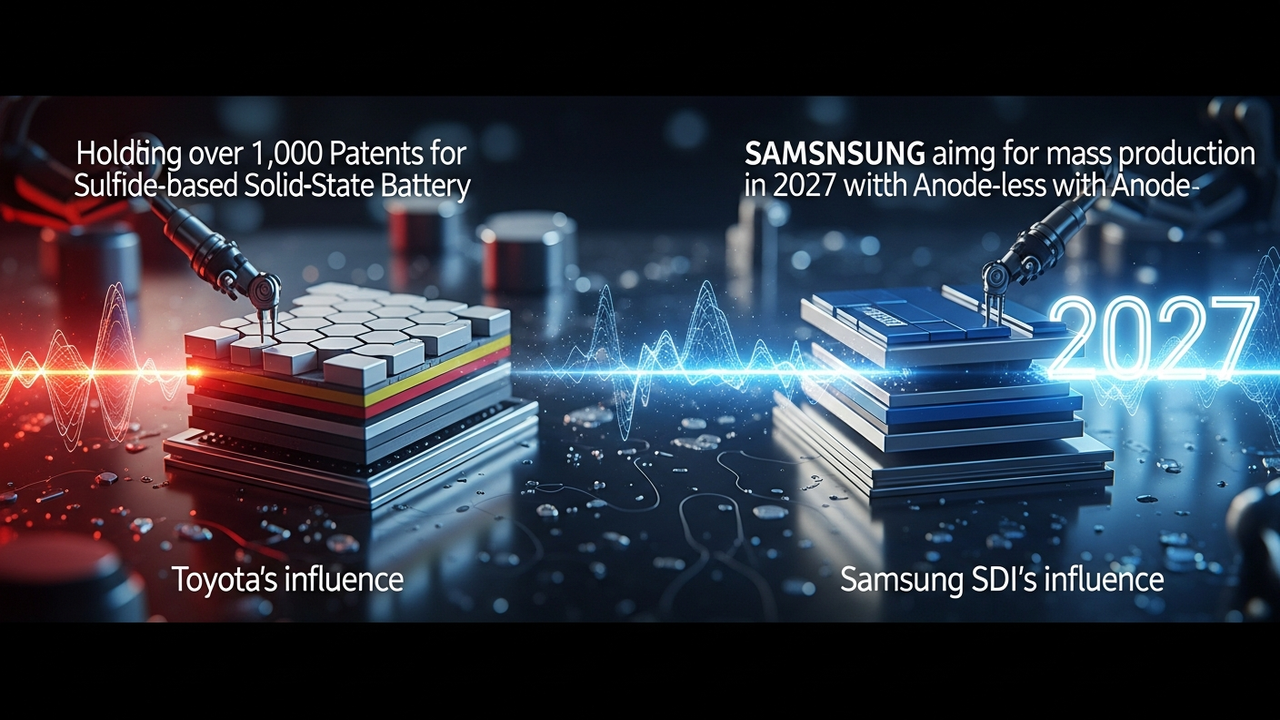
Toyota Motor Corporation holds over 1,000 patents in the sulfide-based all-solid-state battery sector, aiming for deployment in mass-produced vehicles between 2027 and 2028, with a target energy density exceeding 400 Wh/L. Concurrently, Samsung SDI is developing anode-free solid-state batteries, targeting mass production in late 2027 for EVs, robotics, and mobile devices, intensifying the race for solid-state battery commercialization.
Technical/Clinical Details
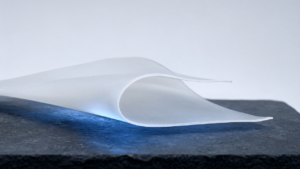
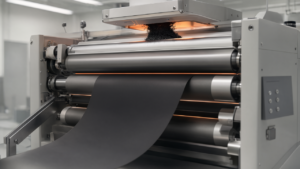
Toyota has positioned sulfide-based all-solid-state batteries as a core technology but confronts a significant hurdle: production costs that could be 100 times higher than existing lithium-ion batteries. Sulfide solid electrolytes achieve high ionic conductivity, typically 10⁻³ to 10⁻² S/cm at room temperature, but challenges remain with solid-solid interface resistance and the need for continuous stacking pressures of 5–100 MPa in module structures, posing barriers to mass production. Samsung SDI is pursuing an anode-free design, which includes a special silver and carbon coating to suppress lithium dendrite formation. The company established a dedicated pilot production line for solid-state batteries in Suwon in March 2023 and successfully developed small-scale solid-state batteries for wearable devices in 2024, demonstrating consistent progress.
Background & Context
All-solid-state batteries represent a next-generation battery technology with the potential for vastly improved safety, significantly higher energy density, and rapid charging capabilities, by replacing flammable liquid electrolytes with solid materials. The strategic importance of this technology is highlighted by the differing approaches of automotive giant Toyota and electronics powerhouse Samsung SDI. While both companies are leaders in their respective fields, the combination of silicon-based anodes with solid electrolytes is a key research direction, with managing silicon’s volume expansion and interface design being common challenges.
Strategic Significance & Outlook
As both companies target 2027-2028 for mass production, significant progress in solid-state battery commercialization is anticipated. Overcoming Toyota’s high-cost issue and Samsung SDI’s lithium dendrite suppression technology will be crucial for market entry. If these challenges can be effectively addressed, solid-state batteries could revolutionize the EV market and contribute to the realization of safer, higher-performance mobile devices and robots. Continued investment in R&D and manufacturing innovation will be pivotal in shaping the future of solid-state battery technology.
Source: https://www.solidess.com/solid-state-battery-mass-production-breakthrough/
Get our weekly technology intelligence — free
Receive an infographic that lets you judge at a glance whether each field’s analysis report is worth reading.
Subscribe Free — Weekly Tech Intelligence
By subscribing, you’ll receive Troy-Technical’s weekly technology intelligence newsletter.
- Your email and selected fields are used only to deliver the newsletter.
- We never share your information with third parties.
- You can unsubscribe anytime via the link in each email.
See our Privacy Policy for details.
Takes about a minute · Unsubscribe anytime