Background
Fuel cells, as a clean energy technology generating electricity directly from hydrogen and oxygen, are anticipated for broad application in electric vehicles and stationary power generation systems. Among these, Proton Exchange Membrane (PEM) fuel cells are particularly noted for their high power density and ability to operate at relatively low temperatures. To maximize PEM fuel cell performance, the efficiency of proton transport at the interface between the proton exchange membrane and the electrode catalyst layers is paramount. This efficiency heavily depends on the structure and properties of the ionomer binder within the electrodes, with optimizing the binder’s ‘permeability’ directly correlating to improved proton retention and overall fuel cell performance.
Key Findings / Results
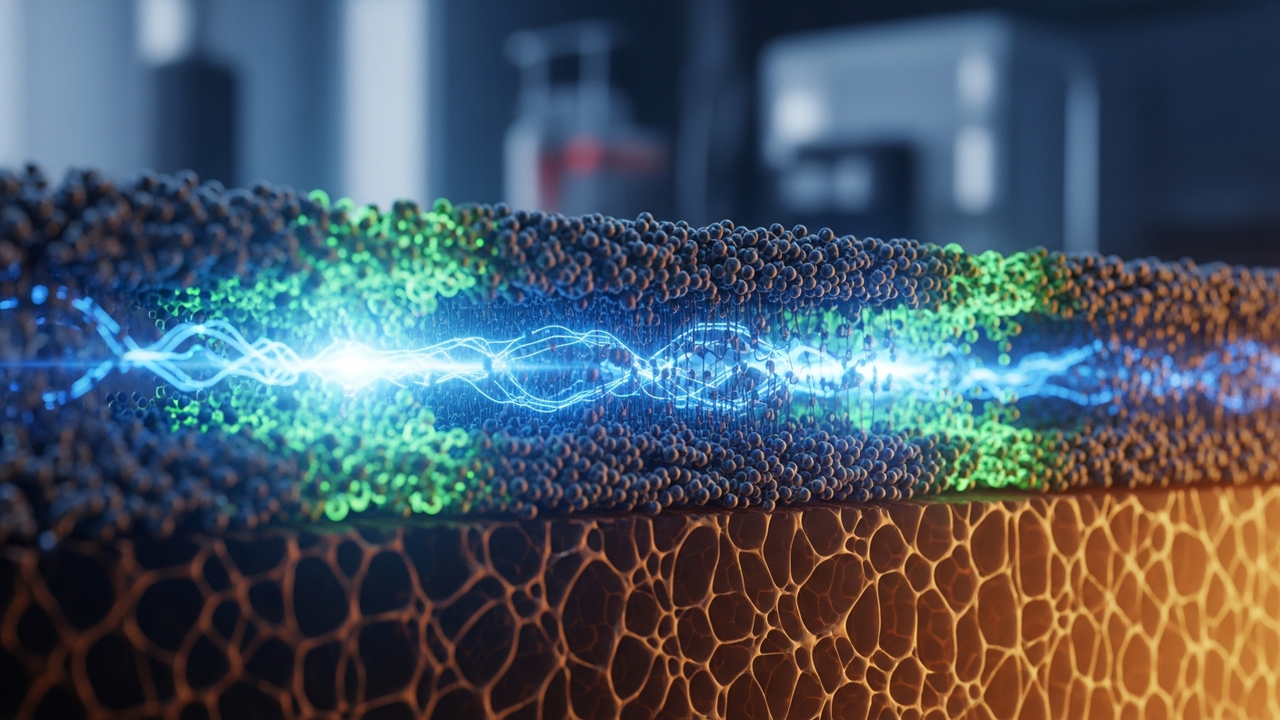
To enhance proton retention in fuel cells, it is essential to effectively reduce the permeability of the ionomer binder within the electrode catalyst layer. Permeability refers to the phenomenon where substances other than ions (particularly reactant gases like hydrogen and oxygen) leak through the binder, leading to a decrease in fuel cell efficiency if excessive. Gore, leveraging its extensive expertise in fluoropolymer processing accumulated over many years, is addressing this challenge by developing sophisticated composite ionomer systems characterized by:
- Precise Porosity Control: By adjusting the microstructure of the binder matrix, Gore ensures efficient proton conduction pathways while simultaneously inhibiting the permeation of reactant gases.
- Optimized Permeability: The thickness, density, and composition of the binder layer are optimized to increase the overall permeation resistance, thereby maximizing proton retention.
- Enhanced Interfacial Properties: Strengthening the interaction between catalyst particles and the binder improves the continuity of the proton conduction network.
These technical approaches enable fuel cells to achieve more stable power supply and higher energy conversion efficiency, positioning them as a robust power source for various applications.
Technical Significance & Outlook
Advancements in technologies for reducing ionomer binder permeability will critically impact the commercialization and widespread adoption of fuel cells. Improved proton retention enhances the durability of fuel cell stacks and suppresses long-term performance degradation. This will contribute to extending the range of electric vehicles, prolonging the lifespan of stationary power generation systems, and improving the economic viability of hydrogen infrastructure. Innovations in material technology by leading companies like Gore are simultaneously driving down costs and boosting the performance of fuel cells, accelerating their proliferation as a clean energy alternative to fossil fuels. In the future, further optimization of binder materials and increased efficiency in manufacturing processes are expected to strengthen the role of fuel cell technology as a key pillar in achieving a decarbonized society.







Comments