Background
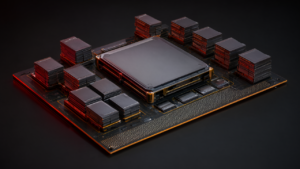
The rapid evolution of AI is driving profound structural changes throughout the semiconductor industry. The escalating demand for high-performance AI chips is not only intensely pushing front-end chip manufacturing but also necessitating strengthened backend capabilities and technological innovation in assembly, testing, and advanced packaging. Malaysia serves as a pivotal hub for semiconductor backend processes in the Asia-Pacific region, and NXP’s significant investment further solidifies its strategic presence there. Moreover, the robust performance of semiconductor material manufacturers underscores the intricate interconnectedness of the entire semiconductor ecosystem, all poised to benefit from the ongoing AI boom.
NXP’s factory expansion in Malaysia represents a critical strategic move to enhance its competitiveness in the burgeoning AI and automotive markets and to address anticipated future demand growth. Doubling production capacity by 2028 is expected to significantly improve NXP’s global supply chain resilience and boost profitability. Resonac’s recent success, meanwhile, powerfully demonstrates the vital role of material innovation in pushing the performance limits of AI semiconductors, signaling continued active investment in backend processes from both equipment and materials perspectives. These collective developments are poised to support the broader adoption of AI technology and the sustained growth of the semiconductor industry.
Key Findings
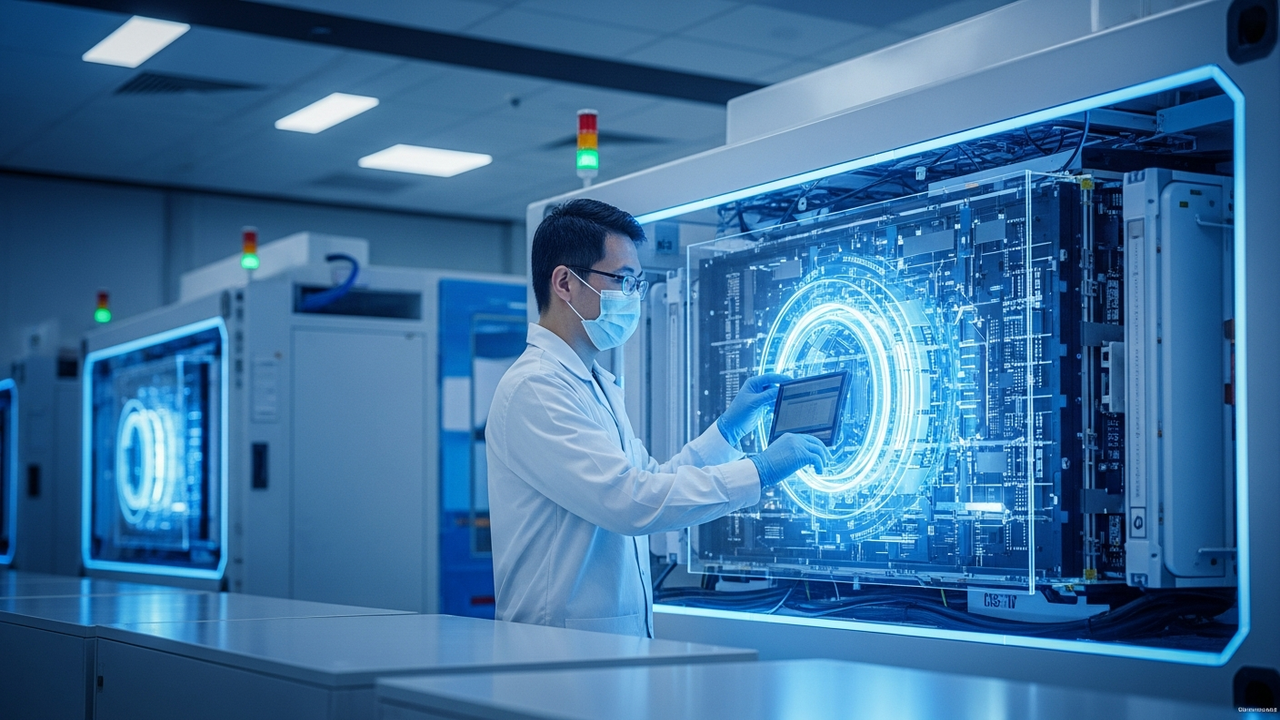
NXP Semiconductors has commenced construction of a new assembly and test (A&T) factory in Malaysia, with ambitious plans to more than double the site’s overall production capacity upon full operation by Q1 2028. This significant expansion aims to establish a state-of-the-art smart factory, integrating Automated Material Handling Systems (AMHS) and advanced quality control technologies. In parallel, Japan’s chemical materials giant Resonac reported a remarkable 46% year-over-year increase in revenue for its AI-focused backend materials, unequivocally demonstrating the widespread positive impact of surging AI demand across both semiconductor device manufacturers and their critical backend material suppliers.
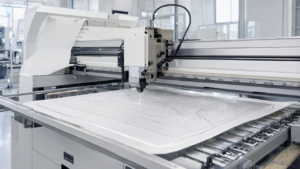
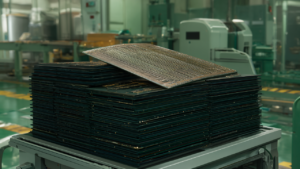
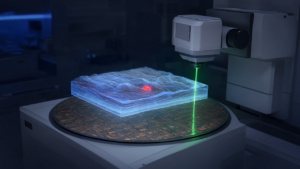
The new NXP facility will bolster assembly and testing processes for semiconductors destined for critical growth markets including AI, automotive, and industrial equipment. The strategic integration of AMHS is designed to significantly enhance production efficiency, mitigate human error, and minimize contamination risks within cleanroom environments. Furthermore, advanced quality control technologies are deemed indispensable for meeting the stringent reliability and performance standards demanded by high-reliability automotive semiconductors and other mission-critical applications.
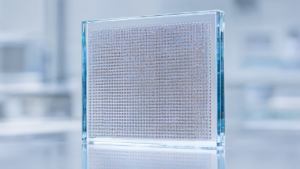
Resonac’s strong performance in AI-focused backend materials points to a substantial surge in demand for specialized solutions such as advanced heat dissipation materials, encapsulants, and sophisticated package substrate materials—all crucial for the optimal functioning of high-performance AI chips. Considering the substantial thermal output of modern AI chips, achieving superior thermal conductivity and developing robust encapsulation technologies to safeguard complex package structures are paramount requirements for the industry.
Source: https://note.com/handotai14/n/ne20b0f717d81
Get our weekly technology intelligence — free
Receive an infographic that lets you judge at a glance whether each field’s analysis report is worth reading.
Subscribe Free — Weekly Tech Intelligence
By subscribing, you’ll receive Troy-Technical’s weekly technology intelligence newsletter.
- Your email and selected fields are used only to deliver the newsletter.
- We never share your information with third parties.
- You can unsubscribe anytime via the link in each email.
See our Privacy Policy for details.
Takes about a minute · Unsubscribe anytime