Key Findings
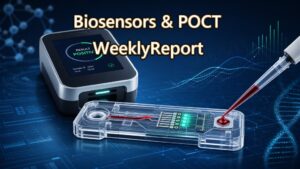
The latest research topic in Frontiers highlights the integrated advancements in advanced biosensors and bioelectronic platforms that are poised to reshape the future of precision healthcare. The utilization of functional nanomaterials, innovative electrochemical transduction mechanisms, and the evolution of wearable and implantable devices are dramatically enhancing capabilities for early diagnosis, real-time monitoring, and decentralized medical testing.
Technical / Clinical Details
The technologies showcased within this research topic primarily combine the following elements to achieve their enhanced performance:
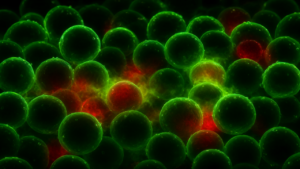
- Functional Nanomaterials: Nanomaterials such as gold nanoparticles, graphene, carbon nanotubes, and quantum dots dramatically increase the sensor’s surface area, pushing detection limits down to the femtomolar-to-picomolar range, and significantly improving sensitivity and selectivity. This allows for the detection of minute quantities of biomarkers in blood or other bodily fluids (e.g., cancer-derived exosomes, early infection markers).
- Electrochemical Transduction: This method measures changes in resistance, current, voltage, or impedance to convert biorecognition events (e.g., antigen-antibody binding, DNA hybridization) into electrical signals. It is highly cost-effective and suitable for miniaturization, making it widely applicable in Point-of-Care Testing (POCT) devices.
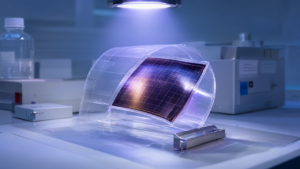
- Wearable and Implantable Devices: Smartwatches, skin patches, contact lenses, and implantable sensors provide continuous, non-invasive or minimally invasive monitoring of substances like glucose, lactate, electrolytes, and drug concentrations in biofluids (sweat, tears, interstitial fluid). This enables chronic disease management, athletic performance optimization, and elder health monitoring.
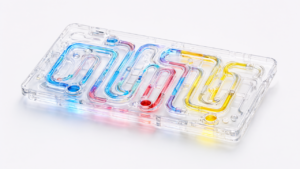
- Microfluidic Lab-on-a-Chip Systems: These systems integrate multiple laboratory functions, such as sample preparation, reaction, and detection, onto a single, very small chip. They minimize sample consumption and shorten analysis times, facilitating rapid infectious disease diagnostics and multiplexed biomarker analysis.
The integration of data-driven approaches and Artificial Intelligence (AI) significantly improves signal interpretation for these platforms, aiding in noise reduction, pattern recognition, and anomaly detection to support more accurate and reliable clinical decision-making. For instance, multivariate analysis and machine learning models can extract early disease indicators from complex biomarker profiles and recommend personalized treatment strategies.
Background & Context
Precision healthcare aims to deliver tailored medical care based on an individual’s unique genetics, environment, and lifestyle. Achieving this requires comprehensive, real-time data on a patient’s health status. Traditional medical diagnostics often rely on point-in-time test results, making it challenging to capture dynamic changes in disease progression or treatment response. Advanced biosensors and bioelectronic platforms overcome this limitation by enabling continuous data collection and personalized insights, thereby forming a critical foundation for realizing precision medicine.
Strategic Significance & Outlook
These technologies have the potential to revolutionize a wide range of medical fields, including early cancer diagnosis, neurodegenerative disease monitoring, rapid infectious disease diagnostics, and optimization of drug responses. Particularly, with the rising demand for POCT diagnostics and remote patient monitoring, these platforms promise to improve healthcare accessibility and potentially reduce healthcare costs. Future research will focus on enhancing sensor biocompatibility, long-term stability, and strengthening security and privacy protection. Ultimately, these integrated technologies are expected to accelerate the transition to a more preventive, personalized, and data-driven healthcare system.