Key Findings
A review published in PubMed evaluates electrochemical biosensors, CRISPR-based detection systems, and emerging point-of-care (POCT) diagnostic platforms as transformative tools for multiplexed detection of respiratory viral pathogens. These biosensor technologies are positioned to complement existing laboratory-based diagnostics and hold significant potential to improve diagnostic speed and access, especially in decentralized and rapid testing environments.
Technical / Clinical Details
The review highlights three main technological areas:
- Electrochemical Biosensors: These sensors generate electrical signals (e.g., current, voltage, impedance changes) upon binding to specific biomarkers of respiratory viruses, such as nucleic acids or antigens. They offer high sensitivity, selectivity, and ease of miniaturization, making them suitable for integration into low-cost, field-deployable devices.
- CRISPR-Based Detection Systems: CRISPR-associated enzymes like Cas12 and Cas13 specifically recognize and bind to target viral genetic material (DNA or RNA). This binding triggers non-specific collateral cleavage of reporter molecules, generating a visually readable signal (e.g., fluorescence, colorimetric) for highly sensitive and specific viral detection. Combined with isothermal amplification techniques, these systems enable rapid detection without the need for thermal cycling, unlike PCR.
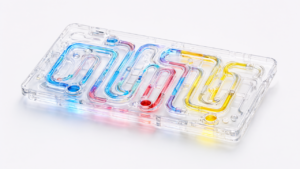
- Emerging POCT Diagnostic Platforms: These technologies are integrated into microfluidic chips, paper-based assays, and smartphone platforms, allowing for rapid diagnostics at the patient’s clinic, pharmacy, or home, without requiring complex laboratory equipment or specialized expertise. Their multiplexing capability allows for simultaneous differentiation of multiple respiratory viruses, such as influenza, RSV, and SARS-CoV-2.
The combination of these technologies allows for rapid, simultaneous detection of multiple viruses from a single sample, simplifying differential diagnosis for respiratory illnesses with overlapping symptoms. Detection limits are typically reported in terms of viral gene copies or viral particles, with high sensitivity enabling detection in early stages of infection.
Background & Context
The SARS-CoV-2 pandemic underscored the critical importance of rapid and accurate respiratory virus diagnostics. While traditional PCR tests are highly sensitive, they are time-consuming and rely on centralized laboratories, which can lead to delays during large-scale outbreaks. Differential diagnosis of other respiratory viruses like influenza and RSV is also crucial, making rapid multiplexed detection essential for both patient management and public health strategies. Biosensor technologies address this urgent need by offering faster, more accessible diagnostic solutions, thereby strengthening preparedness for future public health crises.
Strategic Significance & Outlook
Biosensors for multiplexed respiratory viral detection are expected to see further development and accelerated clinical adoption in the coming years. Challenges include addressing complex matrix effects in real clinical samples, further optimizing cost-effectiveness, and navigating regulatory approval processes. However, advancements in nanotechnology, microfluidics, and AI will continue to make these sensors more integrated, user-friendly, and cost-effective. In the future, these POCT devices are expected to play a central role in infectious disease self-testing and management, not only in healthcare settings but also in homes.