Key Findings
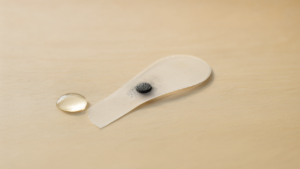
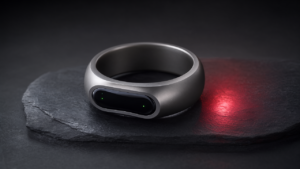
Researchers at Worcester Polytechnic Institute (WPI) have developed a palm-sized biosensor that can detect Salmonella in food samples within hours, eliminating the need for traditional culturing methods and expensive laboratory equipment. This breakthrough device is poised to dramatically enhance the speed and accessibility of pathogen detection across the food supply chain.
Technical / Clinical Details
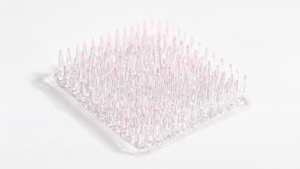
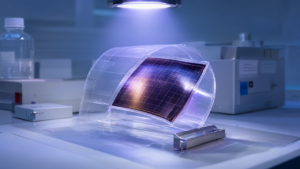
The developed biosensor consists of a flexible polymer surface coated with bacteriophages, which are viruses that specifically infect bacteria. This high target specificity makes bacteriophages ideal biorecognition elements for biosensors. The operational principle of the sensor is as follows:
- A food sample is applied to the sensor surface.
- If Salmonella bacteria are present in the sample, they specifically bind to the bacteriophages on the surface.
- Subtle physical or electrical changes resulting from this binding (e.g., mass change, surface impedance change) are detected by the sensor and converted into an electrical signal.
- This signal is then analyzed by an embedded microprocessor, providing the presence and concentration of Salmonella within a few hours.
Traditional Salmonella detection methods typically require several days to weeks to yield results, involving enrichment culturing followed by molecular biology techniques such as PCR or ELISA. The WPI biosensor significantly streamlines this process, reducing detection time to a few hours. Its limit of detection (LOD) is comparable to or better than existing rapid test kits, while offering a more portable and user-friendly format.
Background & Context
Salmonella is one of the most common causes of foodborne illness worldwide, responsible for millions of infections annually, with severe cases potentially leading to death. Rapid identification of contamination in the food supply chain is critical for preventing large-scale food poisoning outbreaks and minimizing economic losses from food recalls. However, the time constraints and costs associated with current testing methods present significant challenges in food safety management. This new palm-sized biosensor offers a practical solution to this challenge, enabling rapid screening at every stage of the supply chain, from farm to table.
Strategic Significance & Outlook
The commercialization of this Salmonella biosensor is highly anticipated. Future developments may include extending the system to detect other foodborne pathogens (e.g., E. coli, Listeria) in a multiplexed sensor array, and integrating AI for enhanced data analysis. This technology is expected to become an indispensable tool for the entire food industry, including food processors, restaurants, and regulatory agencies, enabling real-time risk assessment and swift response. It holds the potential to improve public health and food safety standards, and to enhance access to food testing in developing countries and remote areas.