Key Findings
The project by Google (under its Alphabet subsidiary, Verily) to develop a smart contact lens for measuring glucose levels in tears was discontinued in 2018, primarily because a reliable correlation between tear glucose and blood glucose levels could not be established. This outcome starkly demonstrates that the “holy grail” of non-invasive blood glucose monitoring continues to face significant technical challenges.
Technical / Clinical Details
Google’s smart contact lens aimed to embed miniature glucose sensors and wireless chips within the lens to measure tear glucose concentrations in real-time. Initially, it was envisioned as a revolutionary alternative to invasive finger-prick tests or subcutaneous continuous glucose monitors (CGMs) for diabetic patients. However, clinical trials revealed that glucose concentrations in tears are approximately 100 times lower than in blood, making accurate and stable detection of these trace amounts extremely difficult. Furthermore, external factors such as tear flow rate, composition, pH, blinking, and ambient temperature changes significantly impacted the sensor’s readings, preventing the establishment of a clinically meaningful correlation with blood glucose levels. Issues of specificity and sensitivity were also noted, with other tear components (e.g., proteins) potentially interfering with the glucose sensor and leading to inaccurate measurements.
Background & Context
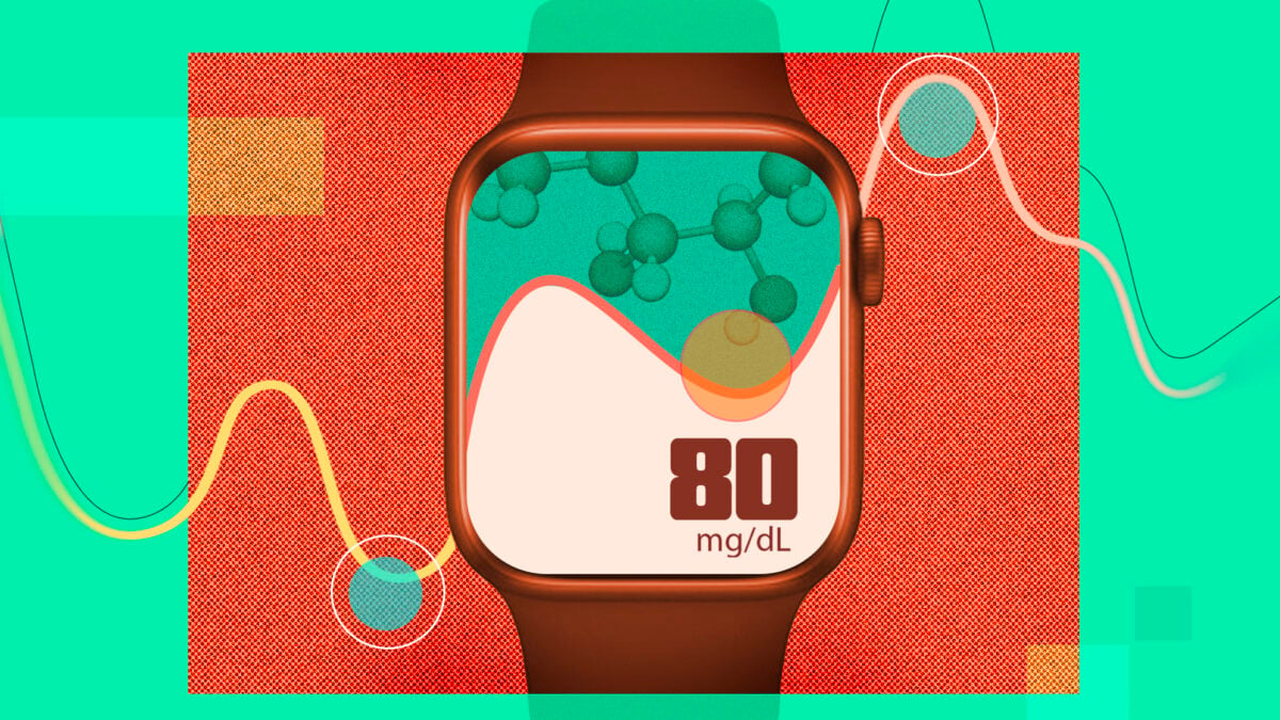
Non-invasive blood glucose monitoring has long been a coveted goal in medical technology, promising to dramatically improve the quality of life for diabetic patients and reduce the burden of disease management. The failure of a project undertaken by a major tech company like Google, despite significant investment, underscored the inherent complexities of this technology and the limitations of existing biosensor approaches. This setback served as a crucial lesson regarding the difficulties in research and development for non-invasive monitoring technologies across all bodily fluids, including sweat and saliva. While smart devices like the Apple Watch offer features to display data from compatible CGMs, the technology for directly and non-invasively measuring blood glucose from the device itself is yet to be commercialized.
Strategic Significance & Outlook
Despite the discontinuation of Google’s project, research into non-invasive blood glucose monitoring continues, with universities and startups worldwide exploring new approaches through more sensitive sensor materials, advanced signal processing algorithms, and AI integration. For instance, non-invasive techniques based on optical, electromagnetic, or acoustic principles are under investigation. In the future, smart contact lenses may evolve to measure other tear biomarkers (e.g., ocular pressure, inflammatory markers), or research may aim for more reliable blood glucose estimation by combining multiple biomarkers from various bodily fluids. However, significant hurdles remain for practical implementation, including sensor stability, biocompatibility, accuracy, and compliance with stringent regulatory requirements.