Key Findings
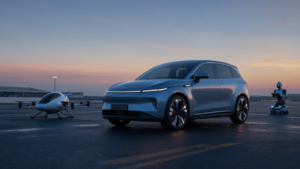
A research team at Tsinghua University in China has achieved a significant breakthrough in solid-state lithium-sulfur (Li-S) battery technology, demonstrating a system with double the energy density of conventional electric vehicle (EV) batteries. This advancement holds the potential to substantially reduce EV weight and address widespread ‘range anxiety’ concerns among consumers.
Technical / Clinical Details
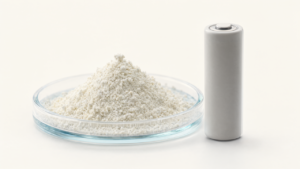
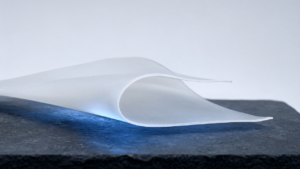
The core of this innovation lies in replacing flammable liquid electrolytes with a solid-state counterpart, enabling the safe utilization of high-capacity lithium-sulfur chemistry. This design inherently boosts energy density while significantly enhancing safety by mitigating risks associated with electrolyte leakage and thermal runaway. The reported doubling of energy density is a crucial step towards lighter battery packs, which directly translates to improved vehicle efficiency and performance. Lithium-sulfur batteries have long been considered a promising next-generation chemistry due to their high theoretical energy density, but challenges related to sulfur cathode utilization and cycle life have hampered their commercial viability. The all-solid-state approach offers a compelling pathway to overcome these hurdles by providing a stable interface and mechanical robustness.
Background & Context
The electric vehicle market is rapidly expanding, making battery technology a critical determinant of progress. Range and safety remain paramount concerns for EV adoption. Tsinghua University’s development offers a compelling solution to these challenges, potentially accelerating the transition to more capable and safer EVs. The global race for solid-state batteries is intense, with major automotive and battery manufacturers investing heavily in research and development. This breakthrough positions Chinese research at the forefront of this advanced battery segment, particularly in the promising Li-S chemistry.
Strategic Significance & Outlook
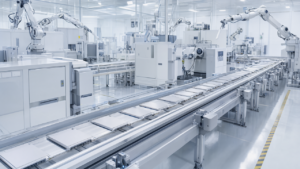
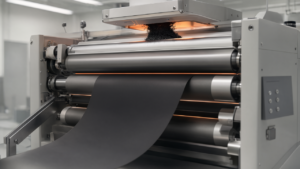
While currently at the laboratory demonstration stage, the implications of this technology for the EV industry are profound. The immediate next step involves scaling up these laboratory successes into manufacturable products. Key challenges for commercialization will include reducing manufacturing costs, establishing robust mass production processes, and further improving cycle life under real-world operating conditions. This achievement by Tsinghua University represents a pivotal step towards enhancing EV performance and accelerating their widespread adoption globally.