Key Findings
In a recently published preprint on bioRxiv, researchers have presented groundbreaking preclinical data for a novel therapeutic protein whose structure was predicted and subsequently optimized for therapeutic efficacy using Google DeepMind’s AlphaFold. This therapeutic protein demonstrated remarkable efficacy in established animal models of autoimmune diseases, leading to significant reductions in key biomarkers of disease activity.
Technical / Clinical Details
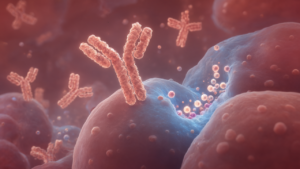
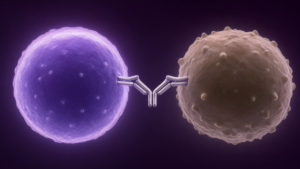
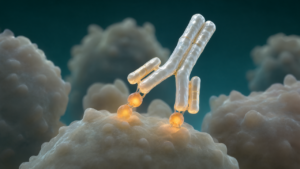
The study leveraged AlphaFold’s high-fidelity protein structure prediction capabilities to identify a novel protein designed to modulate specific immune pathways. Subsequent rigorous molecular biology and biochemical optimization processes enhanced its binding affinity and stability to the target. In animal models, administration of the therapeutic protein resulted in a dramatic reduction in inflammatory cytokine levels, and histopathological assessments confirmed significant amelioration of tissue damage. These data collectively indicate the potential to effectively suppress disease progression and induce disease remission.
Background & Context
Autoimmune diseases are chronic, debilitating conditions affecting millions globally, with existing therapies often having limitations. While protein therapeutics offer high specificity and efficacy, their design and optimization have historically been complex and time-consuming. AI tools like AlphaFold are fundamentally transforming this process, enabling structure-based design, which previously took months to years, to be accomplished in weeks. This underscores AI’s potential to break through drug discovery bottlenecks and accelerate the development of therapies for previously ‘undruggable’ targets.
Strategic Significance & Outlook
This preclinical data suggests that AlphaFold is more than just a research tool; it can genuinely streamline the design of therapeutic proteins and generate clinically viable candidates. The research team is now focused on further optimizing this promising therapeutic protein candidate and preparing for its transition into human clinical trials. If successful, this approach could revolutionize the development of next-generation protein therapeutics, not only for autoimmune diseases but also for a wide range of conditions, including cancer and infectious diseases.
Source: #