Key Findings
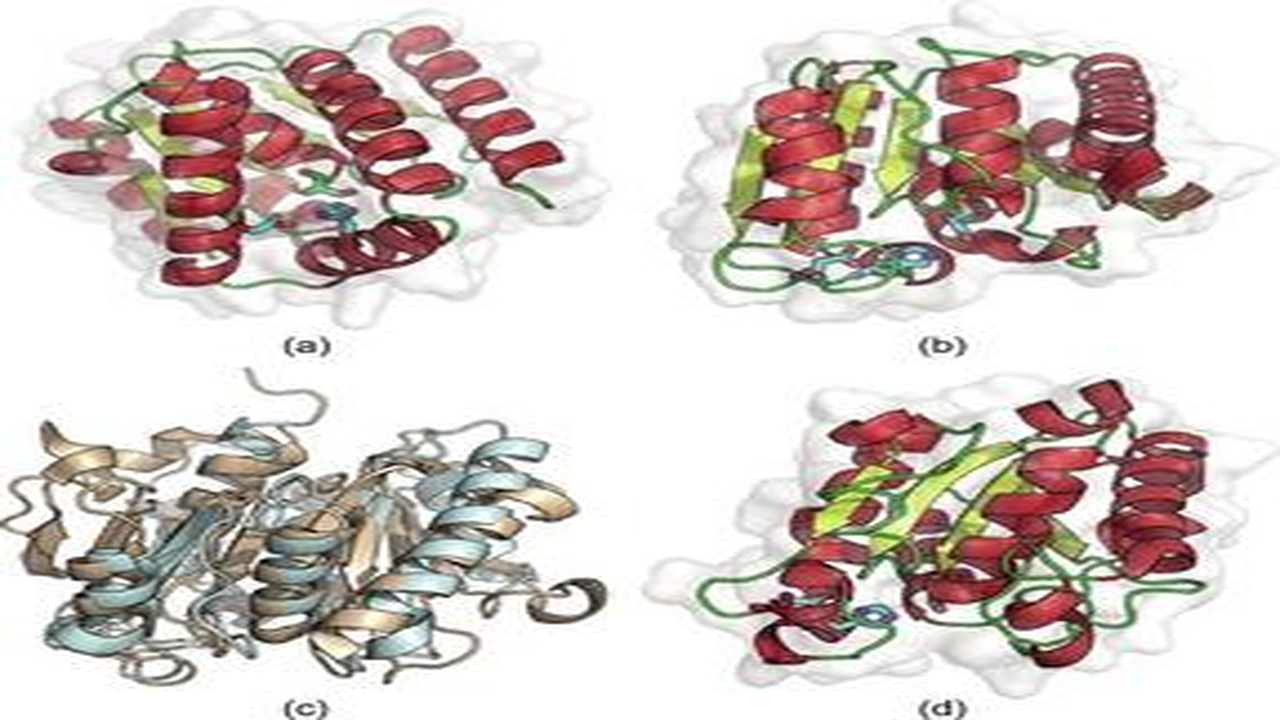
Biocatalytic plastic depolymerization technology is achieving remarkable progress through the integration of artificial intelligence (AI) for enzyme design and the application of multi-enzyme cascade systems, paving new ways for sustainable plastic recycling. This innovative approach addresses the challenges of high energy consumption and aggressive reagent use associated with conventional physicochemical recycling methods, enabling efficient plastic degradation under environmentally friendly aqueous conditions.
Technical & Clinical Details
Biocatalytic plastic depolymerization is a process that utilizes specific enzymes to break down polymers into their constituent monomer units. The incorporation of AI optimizes enzyme design, significantly boosting both efficiency and speed of degradation tailored to specific plastic types and structures. Furthermore, multi-enzyme cascade systems allow multiple enzymes to work synergistically, effectively processing complex plastic mixtures and recalcitrant polymers that are otherwise difficult to recycle. This expands the capability to handle not only major plastics like PET and PU but also multilayer plastics and contaminated waste streams. Operating at mild temperatures (e.g., ambient to ~70°C) and neutral pH, this technology promises substantial energy savings and enhanced safety.
Background & Context
The global plastic waste crisis continues to escalate, overwhelming existing recycling infrastructure. Traditional mechanical recycling often leads to quality degradation, while thermochemical methods like pyrolysis and gasification require high energy inputs and can have significant environmental footprints. Biocatalytic depolymerization has emerged as a ‘green’ alternative, spurring intensive research and development in recent years. The integration of AI marks a critical acceleration point towards practical implementation, broadening the spectrum of plastic types that can be effectively recycled.
Strategic Significance & Outlook
AI-driven and multi-enzyme biocatalytic plastic depolymerization is poised to play a central role in the future circular economy. Further optimization and scale-up of this technology are expected to facilitate its adoption in large-scale plastic recycling facilities, significantly reducing reliance on virgin plastic production. Future goals include developing ‘universal’ enzyme recycling systems capable of processing all types of plastic waste, alongside establishing more cost-effective enzyme production methods. This technology is becoming indispensable for achieving a truly sustainable society.









Comments