Key Findings
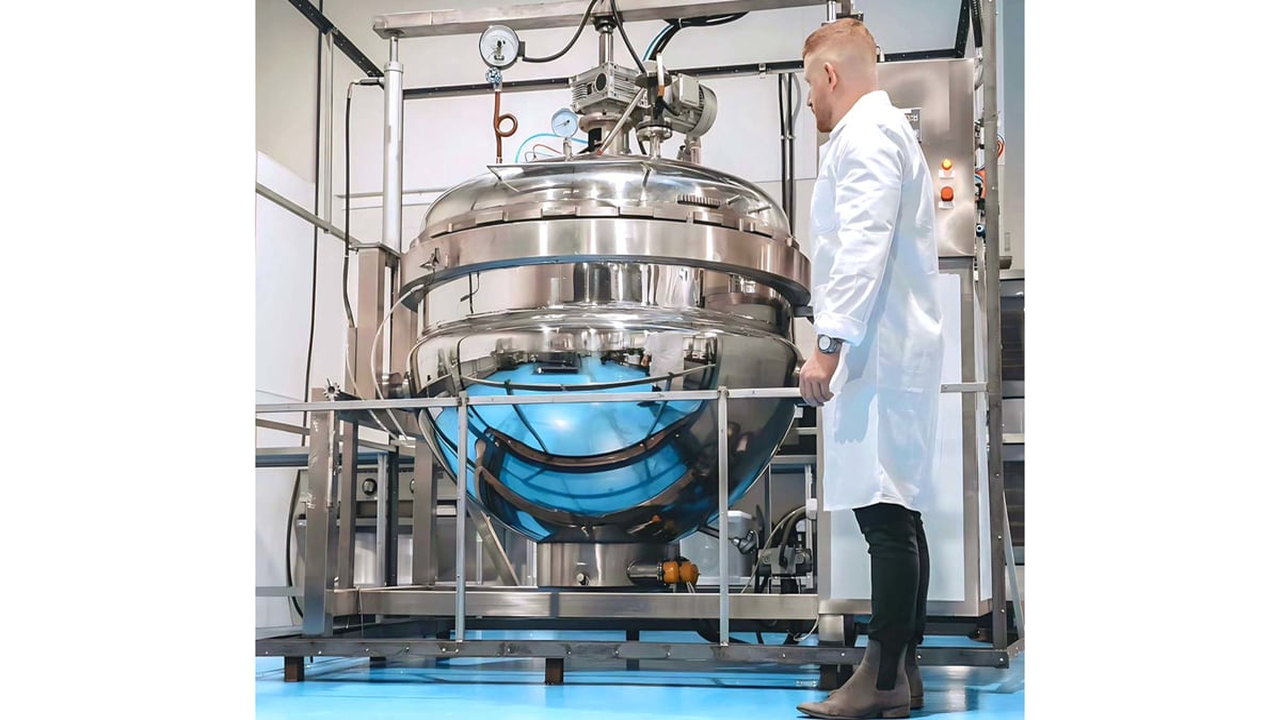
Denovia, a sustainable plastic recycling company, has announced a significant breakthrough in commercial trials, successfully developing a chemical recycling technology that converts contaminated post-consumer textile waste into high-purity terephthalic acid (PTA) monomers, the essential building block for polyester. A notable aspect of this innovative depolymerization process is its rapid operation at a relatively low temperature range of 70-90°C, leading to a significantly reduced environmental impact compared to traditional pyrolysis or mechanical recycling methods.
Technical & Clinical Details
Denovia’s chemical recycling technology employs a depolymerization approach to directly break down PET (polyethylene terephthalate) from discarded polyester textile waste into its constituent terephthalic acid monomers. Unlike energy-intensive conventional thermolysis, this low-temperature process proceeds efficiently under mild conditions (70-90°C), resulting in substantial energy cost savings. The technology’s ability to process contaminated textile waste further reduces the effort and cost associated with sorting and enhances feedstock diversity. The resulting PTA monomers are of virgin-grade quality, suitable for producing new polyester products (clothing, packaging, industrial fibers, etc.), thereby establishing a supply chain for high-quality circular materials.
Background & Context
The rise of fast fashion has led to a severe waste problem, with vast quantities of clothing discarded in short cycles, primarily ending up in landfills or incineration. Traditional mechanical recycling faces limitations due to fiber quality degradation and difficulties in separating mixed textiles. Denovia’s technology overcomes these challenges by reliably supplying high-quality recycled raw materials, significantly advancing the circular economy in the textile industry. Through licensing agreements, companies can integrate this depolymerization process into their existing manufacturing facilities, ensuring financial sustainability for the adoption of circular practices.
Strategic Significance & Outlook
Denovia’s chemical recycling technology is anticipated to have a profound impact on the global textile and plastics industries as a powerful solution to the fast fashion waste crisis. Future expansion of its application to a wider range of composite plastics and textile waste is expected, contributing significantly to reducing plastic pollution and optimizing resource utilization. The widespread adoption of this technology will be crucial for brand owners to achieve their sustainability targets and respond to growing consumer environmental consciousness.
Source: https://www.powderbulksolids.com/chemical/fast-fashion-is-fast-filling-landfills









Comments