Key Findings
Caribou Biosciences has reported remarkable median progression-free survival (PFS) data from its Phase 1 clinical trial of vispacabtagene regedleucel (vispa-cel), an off-the-shelf allogeneic CAR T-cell therapy targeting relapsed/refractory B-cell non-Hodgkin lymphoma (NHL) patients. Vispa-cel achieved a median PFS of 17.1 months, a figure that notably exceeds the median PFS of 14.8 months for Breyanzi and 14.9 months for Yescarta, two established autologous CAR T-cell therapies. This outcome robustly validates Caribou’s strategic assertion that allogeneic CAR T-cell therapies can offer efficacy comparable to, or even surpassing, autologous treatments, marking a significant advancement in the off-the-shelf CAR T-cell field.
Technical and Clinical Details
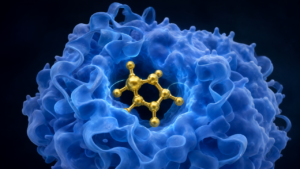
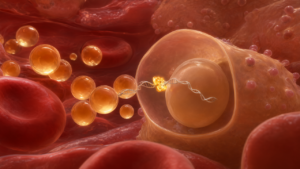
Vispa-cel was developed utilizing Caribou’s proprietary CRISPR hybrid RNA-DNA (chRDNA) genome editing platform. This advanced technology enables precise knockout of the T-cell receptor to reduce immunogenicity and stable integration of the chimeric antigen receptor (CAR), thereby minimizing the risk of graft-versus-host disease and enhancing the persistence of the CAR T-cells post-infusion. The Phase 1 clinical trial enrolled heavily pretreated R/R B-cell NHL patients, who received vispa-cel after a standard lymphodepleting preconditioning regimen. The median PFS of 17.1 months clearly indicates the durable therapeutic effect of vispa-cel. The safety profile was also manageable, with low rates of severe cytokine release syndrome (CRS) and immune effector cell-associated neurotoxicity syndrome (ICANS), comparable to those seen with autologous CAR T therapies. This comprehensive data suggests that vispa-cel represents a highly attractive therapeutic option with both compelling efficacy and a favorable safety profile.
Background and Industry Context
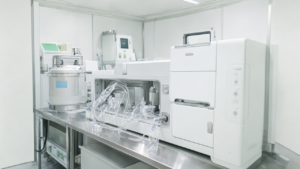
Relapsed/refractory B-cell NHL continues to present significant challenges in oncology due to limited treatment options and poor patient prognoses. While existing autologous CAR T-cell therapies have delivered transformative outcomes for some patients, they are hampered by logistical complexities, including multi-week manufacturing times, the prerequisite for adequate patient lymphocyte collection, and high manufacturing costs. Off-the-shelf allogeneic CAR T-cell therapies like vispa-cel aim to overcome these limitations by utilizing T-cells from healthy donors that are genetically edited. This approach eliminates the manufacturing lead time, allowing for rapid patient access to treatment and streamlined quality control. Caribou’s chRDNA platform is pivotal in achieving high-efficiency and precise genome editing, which is crucial for the stability and efficacy of allogeneic CAR T-cell therapies.
Strategic Significance and Outlook
The Phase 1 data for vispa-cel represents a groundbreaking outcome for the future of allogeneic CAR T-cell therapy, and Caribou Biosciences is expected to accelerate its development trajectory. These encouraging PFS data will support the design and execution of larger pivotal trials, paving the way for eventual regulatory approval. If approved, vispa-cel could become a powerful, immediately accessible therapeutic option for patients with B-cell NHL. Moreover, the success of vispa-cel as an off-the-shelf product will significantly bolster the confidence in CRISPR-based genome editing technologies for broader cell therapy applications, stimulating further research and development in other oncology and autoimmune indications.