Key Findings
A new preprint has reported the development of a non-viral CRISPR/Cas9 Homology-Directed Repair (HDR) platform that enables stable genetic engineering of solid tumor models. This innovative approach effectively overcomes major challenges associated with conventional viral vectors, which have been widely used for gene delivery, including biosafety concerns and limitations in gene packaging capacity. The platform allows for precise genomic modifications and stable transgene expression within cells, simultaneously. This makes it an indispensable tool for advanced in vitro and in vivo modeling in cancer research, contributing to the establishment of safer and more efficient gene manipulation technologies.
Technical and Clinical Details
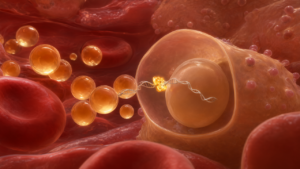
The developed non-viral CRISPR/Cas9 HDR platform typically involves delivering the Cas9 protein and guide RNA (gRNA) as a ribonucleoprotein (RNP) complex into cells, along with an HDR template DNA (containing the desired gene or edited sequence) via non-viral delivery methods (e.g., electroporation or lipid nanoparticles). This enables precise insertion, substitution, or knock-in of specific DNA sequences at designated genomic sites by leveraging homologous recombination, one of the cell’s natural DNA repair pathways. While viral vectors have been widely used due to their efficient gene delivery capabilities, they possess drawbacks such as random integration into the host genome, potential to induce undesirable immune responses, high manufacturing costs, and payload capacity limitations. The non-viral platform bypasses these issues, allowing for safer and more controlled genome editing. Particularly in solid tumor models, stable and highly efficient genetic manipulation is crucial for introducing specific gene mutations, integrating reporter genes, or analyzing the function of genes targeted for therapy.
Background and Industry Context
Cancer is a disease characterized by complex genetic mutations and diverse cell-cell interactions, requiring precise research using in vitro cell models and in vivo animal models to elucidate its mechanisms. Genome editing technologies like CRISPR/Cas9 provide powerful tools for studying the function of cancer-related genes and identifying new therapeutic targets. However, even for research purposes, the use of viral vectors necessitates considerations for experimenter safety and potential long-term cellular effects. The development of non-viral gene delivery systems contributes to improving the efficiency and reproducibility of cancer research by mitigating these safety concerns and offering more versatile research tools. Furthermore, when considering future applications in gene therapy, non-viral approaches could offer significant advantages in terms of reduced immunogenicity and ease of large-scale production.
Strategic Significance and Outlook
This report on a non-viral CRISPR/Cas9 HDR platform indicates a new direction for genetic engineering technologies in cancer research. Moving forward, this technology is expected to contribute to the construction of more complex genetically modified solid tumor models and a more detailed elucidation of cancer pathophysiology. As non-viral delivery systems become more optimized and efficient, their application in in vivo gene therapy also comes into focus. This marks a significant step towards the development of safer and more efficient cancer gene therapies that are independent of viral vectors. Researchers and pharmaceutical companies are expected to leverage this platform to identify personalized cancer treatment strategies and accelerate the development of new anticancer drugs.
Source: #