Background
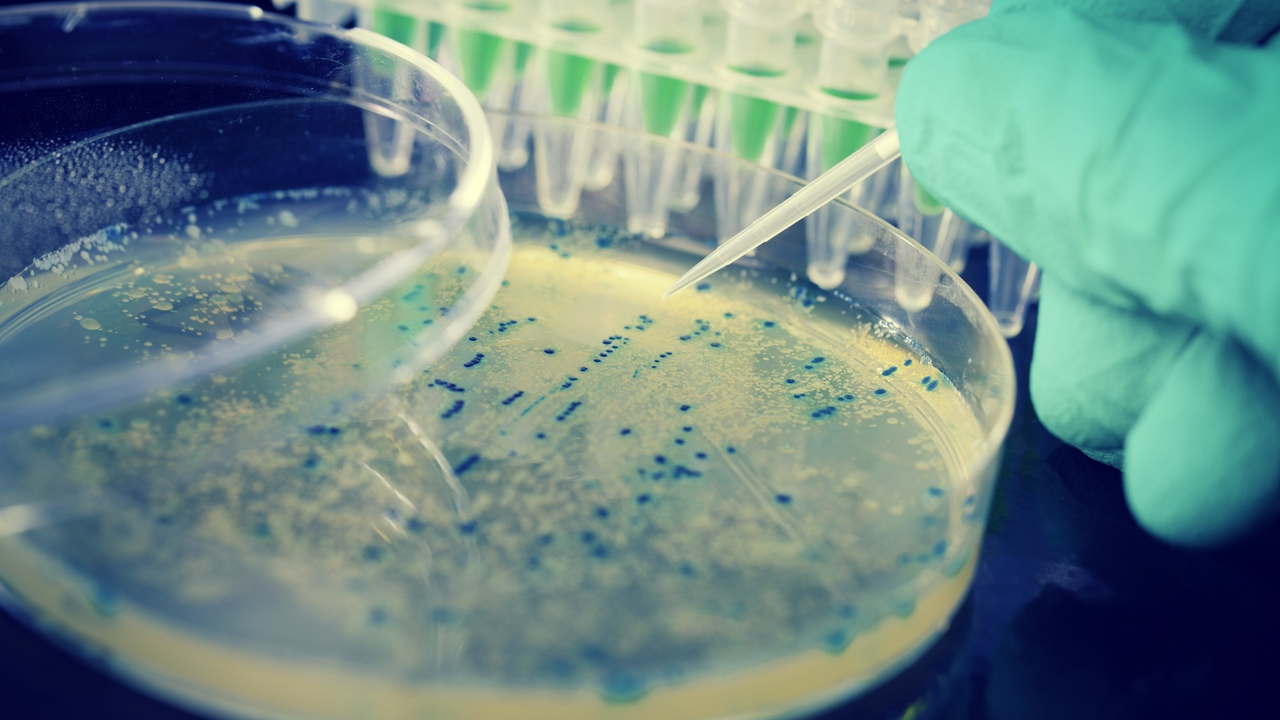
The rapid and sensitive detection of pathogenic bacteria remains a critical challenge across food safety, environmental monitoring, and public health sectors. Traditional methods, such as culture-based growth or nucleic acid amplification techniques like PCR, are often time-consuming, expensive, and necessitate specialized equipment and skilled personnel. Addressing these limitations, the carbon dot biosensor introduced in this research bypasses the need for amplification, thereby significantly reducing testing time and simplifying integration into portable devices. This represents a substantial advantage for deployment in resource-constrained environments or point-of-care (POCT) settings where immediate diagnostic results are paramount.
Key Findings and Technical Details
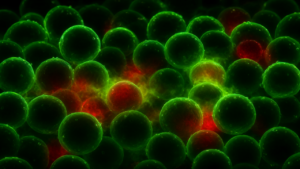
A groundbreaking study in Scientific Reports introduces an amplification-free fluorescent biosensor demonstrating ultra-high sensitivity, capable of detecting E. coli DNA at femtomolar (fM) levels. This innovative platform leverages hydrothermally synthesized heteroatom-doped carbon dots as optical transducers. The core mechanism involves monitoring changes in the carbon dots’ photoluminescence (light-excited luminescence) upon the hybridization of a conjugated DNA probe with its target E. coli DNA. This direct detection methodology significantly accelerates diagnostics by eliminating the laborious amplification steps inherent in conventional nucleic acid detection techniques.
The exceptional performance of the biosensor stems from the unique optical properties of these carbon dots, specifically engineered with heteroatoms like nitrogen or sulfur. These doped carbon dots offer superior photostability and low toxicity, crucial for enabling highly sensitive and selective recognition of E. coli DNA through specific probe conjugation. When the probe binds to the target DNA, a measurable alteration in the carbon dots’ photoluminescence occurs, providing a quantifiable signal for the presence and concentration of the DNA. This allows for rapid and precise identification of pathogens such as E. coli, even within challenging complex matrices like environmental samples, food products, and clinical specimens. The reported femtomolar detection limit underscores its potential for detecting even minute traces of pathogenic DNA, a critical feature for early infection diagnosis and prompt contamination detection.
Strategic Significance and Future Outlook
This carbon dot biosensor technology is poised to revolutionize diverse sectors, including water pollution monitoring, real-time quality control in food processing, and early-stage screening for infectious diseases. Its potential commercialization as a portable testing device would empower non-specialized users to perform rapid diagnostics, thereby significantly advancing public health and food safety assurance globally. Future research and development efforts are anticipated to focus on integrating multiplex capabilities for simultaneous detection of multiple pathogens and broadening its application to other critical biomarker detections, further cementing its role as a cornerstone in rapid, accessible diagnostics.