Key Findings
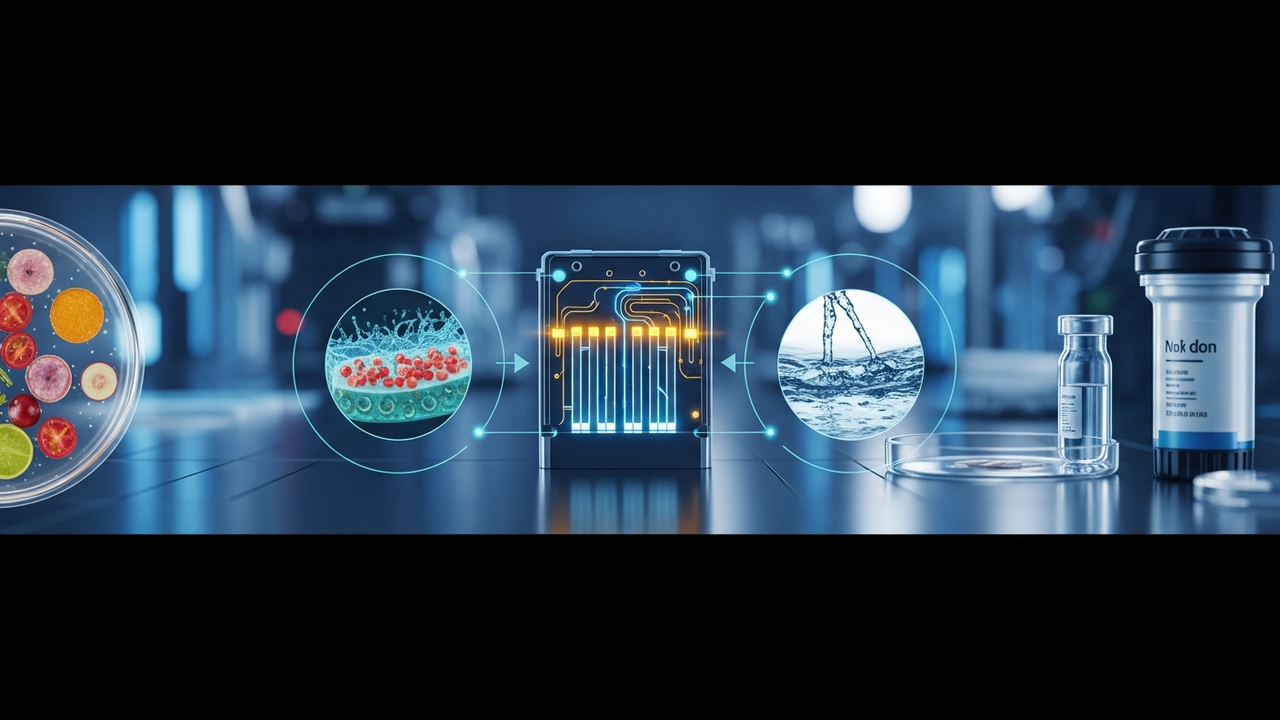
Biosensors fundamentally built upon Conducting Polymers (CPs) are attracting substantial attention due to their revolutionary potential in pathogen detection across food safety, water quality monitoring, and clinical diagnostics. A recent comprehensive review meticulously details the latest advancements in the design of CP-based biosensors, encompassing enzyme-based sensors, immunosensors, DNA sensors, and whole-cell platforms. These technological strides promise to deliver high sensitivity, enhanced specificity, and real-time monitoring capabilities, fundamentally transforming pathogen detection across diverse applications compared to conventional methods.
Technical and Clinical Details
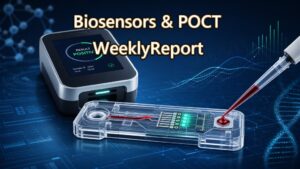
Conducting polymers, owing to their unique electrochemical properties, efficiently couple biomolecular recognition with electrical signal transduction. CPs like PEDOT:PSS and polyaniline (PANI) exhibit excellent biocompatibility, facilitating easy immobilization of biorecognition elements such as enzymes, antibodies, or DNA probes onto the sensor surface. Upon the presence of target pathogens (e.g., bacteria or viruses), these biorecognition elements specifically bind, altering the CP’s conductivity or electrochemical response. This change is detected as an electrical signal, enabling quantitative measurement of the pathogen’s presence and concentration. In DNA sensors, hybridization with target nucleic acids modifies the CP’s electrochemical properties, leading to highly sensitive detection. The miniaturization potential of these CP-based biosensors makes them ideal for integration into point-of-care testing (POCT) devices, allowing rapid on-site analysis without the need for specialized laboratory environments.
Background and Industry Context
Foodborne illnesses, contamination by waterborne pathogens, and the diagnosis of clinical infections pose severe threats to public health and significant economic burdens. Traditional pathogen detection methods are often time-consuming due to culture requirements, necessitate complex sample pretreatment, or rely on expensive instrumentation, thus hindering rapid intervention. CP-based biosensors offer a cost-effective solution to these challenges. Their real-time detection capability is particularly valuable in scenarios where early intervention is critical, such as monitoring contamination during food processing, quality control of drinking water, and screening for hospital-acquired infections.
Strategic Significance and Outlook
Given their versatility and high performance, CP-based biosensors are expected to remain at the forefront of pathogen detection technology. Future advancements will likely include the development of CP materials with enhanced stability, the integration of multiplex detection capabilities (simultaneous detection of multiple pathogens), and the establishment of intelligent monitoring systems through integration with AI and IoT technologies. These innovations have the potential to significantly improve preventive healthcare, public health management, and the safety of the entire food supply chain. Furthermore, applications in wearable sensors and implantable devices are expected to advance, leading to early warning systems for infection risks through continuous health monitoring.