Background
Solid-state batteries (SSBs) represent a significant leap forward in energy storage technology, poised to revolutionize electric vehicle (EV) performance. They promise superior energy density, enhanced safety, faster charging capabilities, and extended longevity compared to conventional lithium-ion batteries that rely on liquid electrolytes. However, widespread adoption has historically been hampered by substantial material costs and complex manufacturing processes. Against this backdrop, Dongfeng Motor’s establishment of the Hubei Solid-State Battery Industry Technology Innovation Consortium underscores its strategic commitment to advancing this critical technology, including pioneering research into long-cycle Li-Te batteries. This recent announcement further distinguishes Dongfeng, positioning it ahead of many competitors, including other major Chinese automakers whose solid-state battery mass production targets are set for 2027 and beyond.
Key Findings
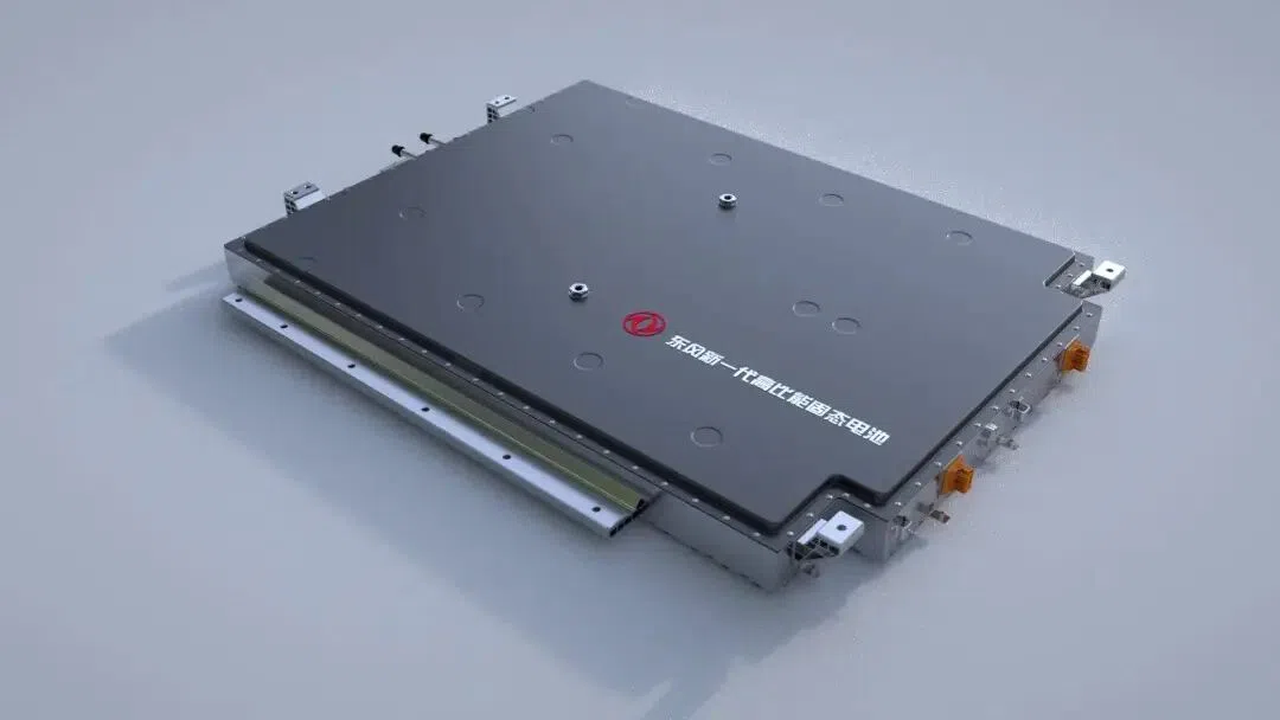
Dongfeng Motor has announced its intent to commence mass production of proprietary oxide-polymer composite solid-state batteries in the second half of 2026, marking a significant milestone in next-generation battery commercialization.
The core technology achieves an impressive energy density of 350 Wh/kg, which is projected to enable New Energy Vehicles (NEVs) to achieve a driving range exceeding 1,000 km on a single charge. This high energy density also translates to a roughly 30% weight reduction compared to existing liquid-electrolyte lithium-ion battery packs, offering substantial benefits for vehicle performance and efficiency.
Crucially, the battery system has demonstrated exceptional safety and robustness under extreme conditions. Validation tests show it retains over 74% of its charge capacity even at an extreme low temperature of -30°C, addressing a common performance challenge for EVs in cold climates. Furthermore, the battery remains fully functional after exposure to 170°C thermal stress and 50% physical compression, fundamentally mitigating the critical risk of thermal runaway that has plagued traditional lithium-ion chemistries.
Dongfeng’s innovation extends to its choice of an oxide-polymer composite electrolyte. This specific pathway is designed to optimize the contact interface between the active materials and the electrolyte, which is vital for efficient ion transport and overall cell performance. This optimization also contributes to improved thermal management and enhanced electronic control system efficiency within the vehicle architecture.
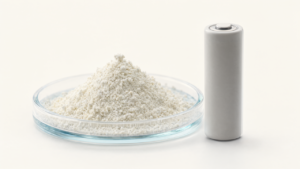
Addressing a major economic barrier, Dongfeng’s research team has developed a novel, low-cost synthesis method for Li₂S – a critical raw material for sulfide-based solid electrolytes. This breakthrough achieves a cost reduction of over 86%, significantly enhancing the potential for price competitiveness and broader market adoption of solid-state batteries.
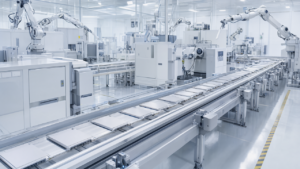
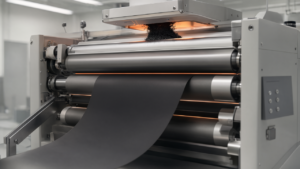
The company’s readiness for scalable manufacturing is evidenced by an already operational, fully automated production line at its pilot plant, encompassing more than 20 distinct processes. Practical validation has also been extensive, with demonstration vehicles equipped with these batteries accumulating over 3.2 million km of safe driving, providing robust real-world data and confidence in the technology’s reliability.
This strategic move by Dongfeng aims to establish a significant competitive advantage in the rapidly evolving EV market. The combination of extended range, superior safety, and a substantial reduction in material costs for critical components is expected to be a compelling differentiator for consumers and a potential disruptor for the broader EV and battery industries, bolstering China’s domestic manufacturing and material sourcing capabilities.