Key Findings
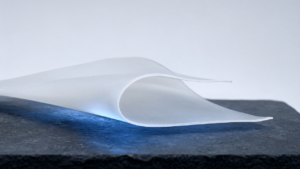
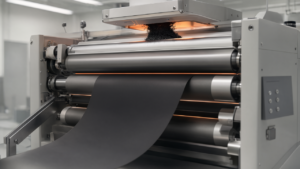
Nissan Motor has announced the adoption of dry electrode technology for the manufacturing of all-solid-state battery (ASSB) cathodes, a strategic move made possible through its partnership with U.S.-based LiCAP Technologies. This innovative process is set to reduce energy consumption in manufacturing lines by 30-50% and substantially cut both capital expenditures (CAPEX) and operational expenditures (OPEX) compared to conventional wet coating methods.
Technical & Clinical Details
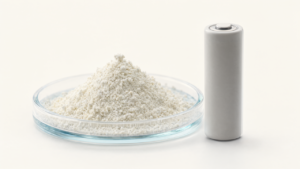
- The dry electrode technology is particularly critical for ASSBs employing sulfide-based solid electrolytes, which are highly sensitive to moisture. This process minimizes the exposure of electrode materials to air and humidity, simplifying the stringent environmental controls typically required during manufacturing.
- By facilitating uniform material dispersion and high electrode density, the dry process ensures excellent interfacial contact between the active material and the solid electrolyte. This leads to improved lithium-ion transport efficiency, consequently enhancing overall battery charge-discharge efficiency, cycle life, and power output characteristics.
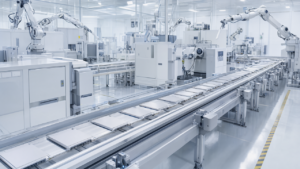
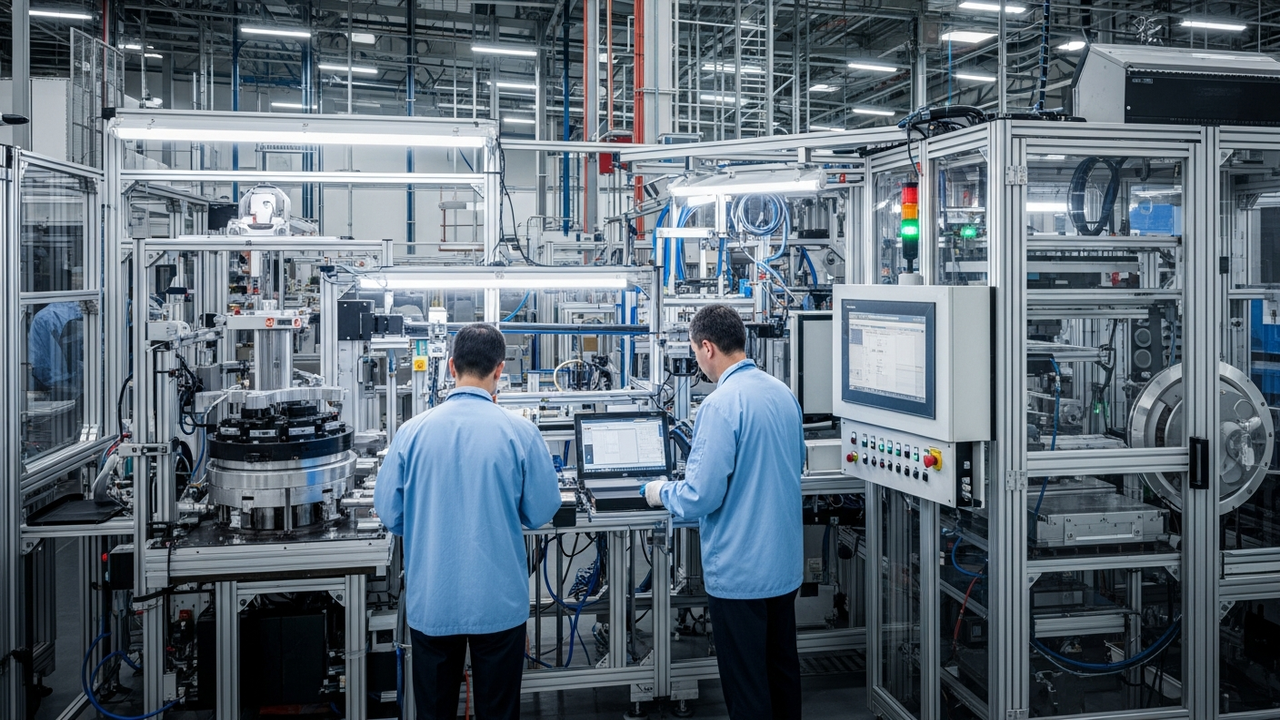
- Nissan has been operating a pilot production line for all-solid-state batteries since January 2025, and the integration of this dry electrode technology represents a crucial step towards achieving mass production capabilities.
Background & Context
All-solid-state batteries are heralded as a transformative technology for electric vehicles (EVs), promising extended driving ranges, faster charging times, enhanced safety, and longer lifespans. However, the high cost of materials and the inherent complexities of manufacturing processes have presented significant barriers to their commercialization. Nissan’s target for ASSB market introduction by fiscal year 2028 positions this dry electrode adoption as a key element in its strategy to simultaneously reduce manufacturing costs and improve battery performance. LiCAP Technologies, a recognized leader in battery technology, has notably received substantial grants from the U.S. Department of Energy (DOE), further validating its technical prowess.
Strategic Significance & Outlook
This dry electrode technology holds immense potential to significantly improve the cost-efficiency and production scalability of all-solid-state batteries. The reduction in manufacturing costs is expected to accelerate the widespread adoption of ASSBs in EVs and strongly support Nissan’s 2028 market entry target. Furthermore, the enhanced interfacial stability and extended battery lifespan will boost consumer confidence in EVs, marking a vital step toward realizing a next-generation mobility society. It is conceivable that this technology could diffuse across the broader battery manufacturing industry, influencing global cost structures and accelerating solid-state battery commercialization.
Source: #