Key Findings
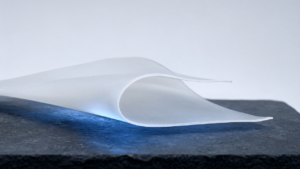
Leading Chinese battery manufacturers CALB and Gotion High-Tech are demonstrating significant progress in the development of high-energy-density solid-state batteries. CALB has successfully established a dedicated pilot production capacity tailored for diverse applications including automotive, robotics, and aircraft. Concurrently, Gotion High-Tech has disclosed a solid-state cell boasting an energy density of approximately 400 Wh/kg and has initiated the development of a 2GWh production line, underscoring China’s determined push towards the industrialization of solid-state battery technology.
Technical / Clinical Details
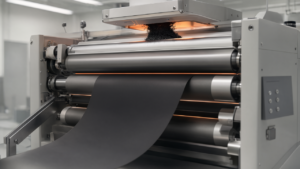
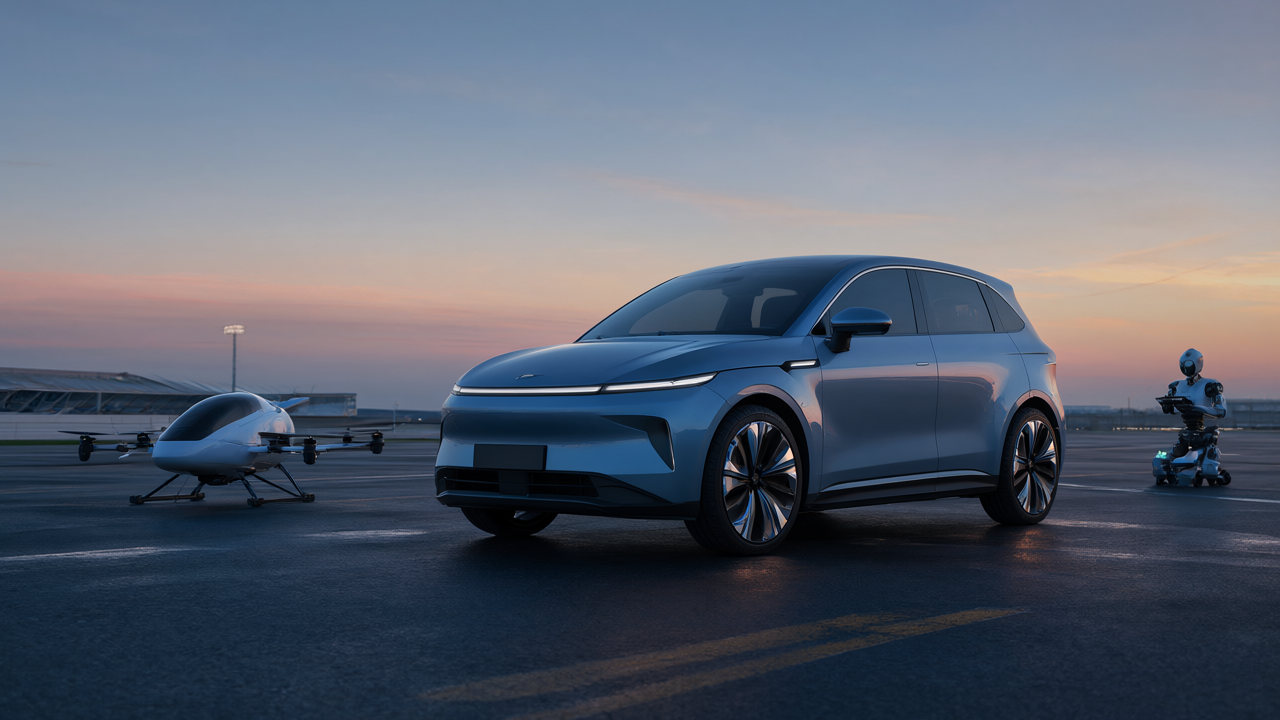
CALB’s solid-state battery technology is being developed with a focus on high-performance sectors such as electric vehicles (EVs), autonomous mobile robots, and aviation. These applications demand not only extended range and operating times enabled by high energy density but also paramount safety and long cycle life. Gotion High-Tech’s 400 Wh/kg solid-state cell represents a substantial improvement in energy density over current EV batteries, promising to significantly enhance EV range. The development of a 2GWh production line signifies a tangible move towards mass production, transitioning the technology from laboratory prototypes to industrial-scale manufacturing. This capacity suggests a strategic pathway to overcome initial scalability challenges inherent in new battery technologies.
Background & Context
China has strategically prioritized the advancement of its next-generation battery industry, aiming for initial large-scale deployment of solid-state batteries by 2030. This robust governmental support, coupled with substantial corporate investment, is fueling the rapid R&D efforts of domestic companies like CALB and Gotion High-Tech. Ouyang Minggao, an academician from the Chinese Academy of Sciences, anticipates that test vehicles equipped with solid-state batteries could emerge between late 2026 and 2027. However, he offers a pragmatic view, stating that true large-scale production is “likely to take another three to five years.” This realistic timeline reflects the intricate challenges of industrialization, including optimizing manufacturing processes, achieving cost competitiveness, and establishing resilient supply chains, beyond mere technical feasibility.
Strategic Significance & Outlook
The advancements by CALB and Gotion High-Tech are crucial for China’s ambition to secure global leadership in solid-state battery technology. The introduction of test vehicles will serve as an early validation of practical applicability. Nevertheless, the primary focus for the coming years will be on perfecting production techniques and achieving cost parity with existing battery solutions. With continued government impetus and private sector investment, China is expected to build a formidable competitive edge in the solid-state battery market. Successful large-scale production promises to revolutionize a wide array of industries, from electric mobility (EVs, drones) to future electric aircraft, setting new benchmarks for energy storage technologies globally.
Source: https://www.chinadaily.com.cn/a/202610/08/WS6ac6d59de4b06d4aa0561911.html
Get our weekly technology intelligence — free
Receive an infographic that lets you judge at a glance whether each field’s analysis report is worth reading.
Subscribe Free — Weekly Tech Intelligence
By subscribing, you’ll receive Troy-Technical’s weekly technology intelligence newsletter.
- Your email and selected fields are used only to deliver the newsletter.
- We never share your information with third parties.
- You can unsubscribe anytime via the link in each email.
See our Privacy Policy for details.
Takes about a minute · Unsubscribe anytime