Key Findings
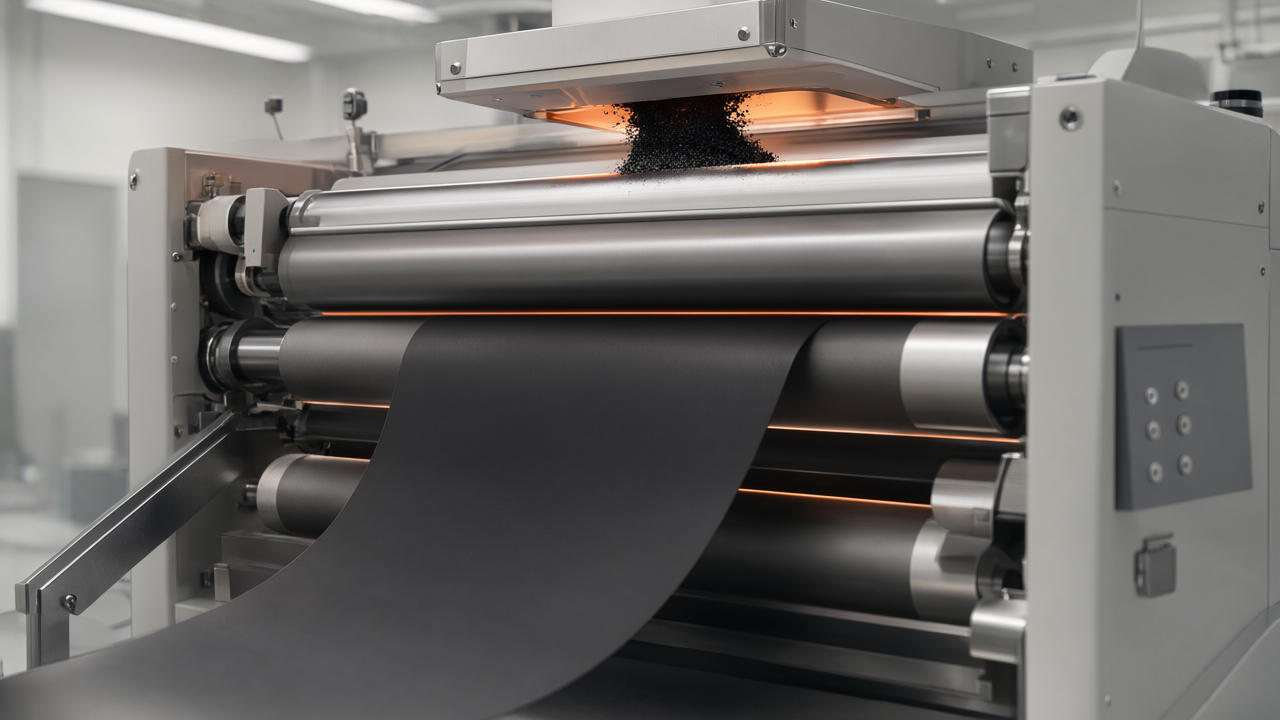
A team of Korean researchers has unveiled a groundbreaking PTFE (polytetrafluoroethylene)-free dry electrode technology. This innovative method promises to significantly shorten charging times and extend the driving range of electric vehicle (EV) batteries. By combining shape-controlled graphite granules with commercial CMC-SBR binders, the technology achieves excellent fast-charging performance and long-term cycle stability, alongside improved lithium-ion diffusion characteristics under high-energy-density conditions.
Technical Details
- PTFE-Free Dry Electrode Technology: The developed dry electrode technology is revolutionary in its avoidance of PTFE, a material commonly used in conventional dry electrode manufacturing. PTFE has been associated with environmental concerns and manufacturing complexities, making alternative technologies highly sought after in the industry.
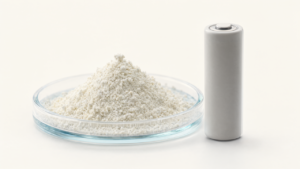
- Shape-Controlled Graphite Granules and CMC-SBR Binder: This technology employs graphite granules with precisely controlled shapes as the anode material, utilizing commercial-grade CMC (carboxymethyl cellulose) and SBR (styrene-butadiene rubber) as binders. This optimized electrode structure facilitates enhanced lithium-ion transport.
- Superior Fast-Charging Performance: The new dry anode demonstrated a significant improvement in fast-charging capabilities. This enables substantially shorter charging times for electric vehicles, boosting user convenience.
- Long-Term Cycle Stability: The developed dry electrodes maintained stable performance over extended charge-discharge cycles, contributing to increased battery lifespan and reliability.
- Improved Lithium-Ion Diffusion at High Energy Density: Lithium-ion diffusion characteristics within the electrode were notably enhanced even under high-energy-density conditions. This is a critical factor for achieving high-power and high-capacity batteries.
Background & Context
The widespread adoption of electric vehicles is contingent on battery performance, cost, and the sustainability of manufacturing processes. Conventional wet electrode manufacturing processes are energy-intensive and costly due to their reliance on organic solvents and extensive drying requirements, also posing environmental burdens. Dry electrode technology has emerged as a promising next-generation manufacturing method to address these challenges, but many existing approaches have relied on specific polymeric materials like PTFE. This research’s PTFE-free approach is environmentally friendlier, offers broader material choices, and provides significant cost-reduction potential, set to make a major impact on the industry.
Strategic Significance & Outlook
This PTFE-free dry electrode technology holds the potential to instigate a paradigm shift in EV battery manufacturing. Shorter charging times and extended driving ranges will dramatically increase consumer acceptance of EVs. Furthermore, reductions in manufacturing costs and carbon emissions will contribute to the overall sustainability of the battery industry. As this technology scales up and moves towards commercialization, it is expected to bring about significant changes in the competitive landscape of next-generation batteries, accelerating the adoption of higher-performing and more environmentally friendly EVs.
Get our weekly technology intelligence — free
Receive an infographic that lets you judge at a glance whether each field’s analysis report is worth reading.
Subscribe Free — Weekly Tech Intelligence
By subscribing, you’ll receive Troy-Technical’s weekly technology intelligence newsletter.
- Your email and selected fields are used only to deliver the newsletter.
- We never share your information with third parties.
- You can unsubscribe anytime via the link in each email.
See our Privacy Policy for details.
Takes about a minute · Unsubscribe anytime