Background
All-solid-state batteries are garnering significant global attention from automakers, battery manufacturers, and investors as a pivotal next-generation technology poised to dramatically enhance the range, safety, and charging speed of electric vehicles (EVs). While the immense potential of this technology fuels high market expectations for any announced breakthroughs, the formidable challenges inherent in their development can sometimes lead to overstated claims or even fabrication. The recent Donut Lab incident starkly illuminates the disparity between these expectations and the technical realities, underscoring the paramount importance of robust technical validation in investment decisions.
Key Findings
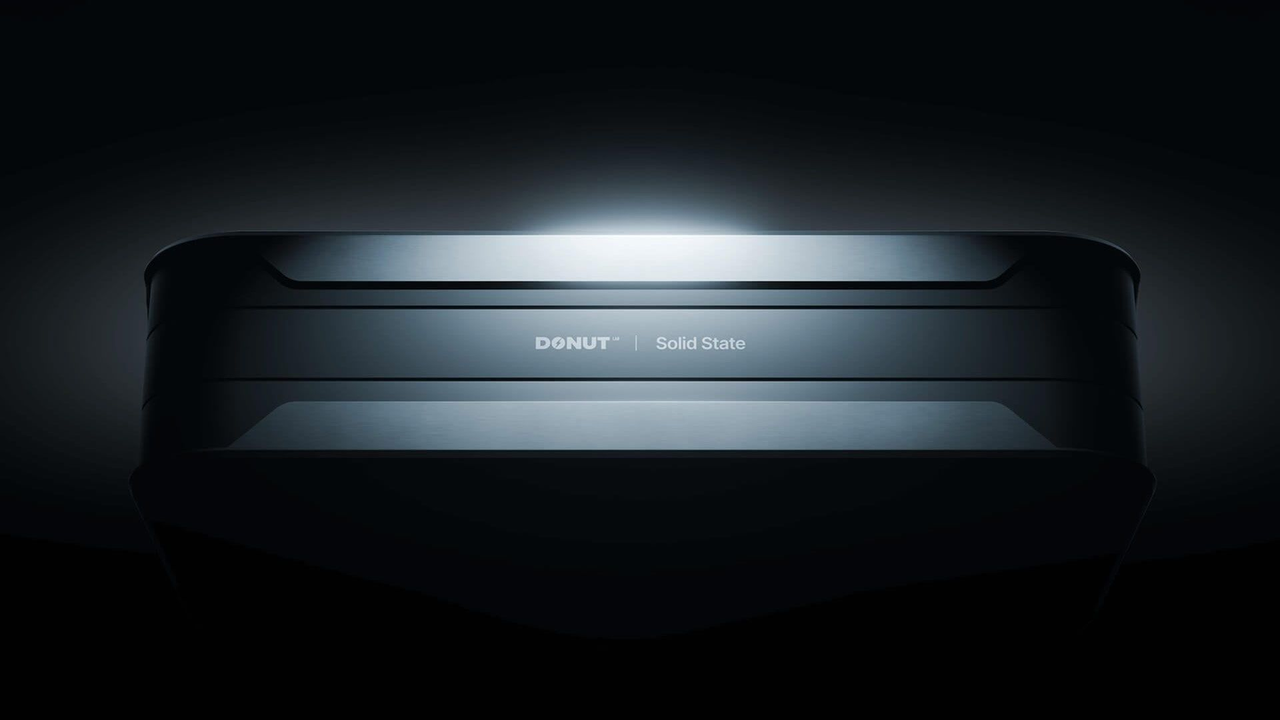
Finnish startup Donut Lab, which had secured significant investment following its prominent announcement at CES 2026 of a ‘miracle solid-state battery’ boasting extraordinary performance specifications—400 Wh/kg energy density, 100,000 cycles, and 5-minute charging—is now under investigation. Independent third-party tests have conclusively revealed the company’s product to be repackaged conventional lithium-ion batteries, challenging its claims of groundbreaking all-solid-state technology.
Donut Lab had consistently maintained that its battery was an ‘all-solid-state battery,’ capable of achieving performance metrics that vastly exceed the current state-of-the-art in battery technology. Had these figures been genuine, they would represent a revolutionary leap for the battery industry, particularly for electric vehicles. However, detailed technical analysis and testing conducted by independent organizations confirmed that the battery exhibited the chemical composition and operational characteristics indicative of existing lithium-ion systems, providing definitive evidence that it was not an all-solid-state battery. This critical discovery emerged after a highly publicized CES launch and subsequent substantial investment rounds, including a $25 million raise at a $1.25 billion valuation. Prior to these third-party tests, internal sources had already raised concerns about the veracity of Donut Lab’s asserted specifications.
This incident profoundly impacts the future trajectory of battery technology development and the investment environment. It is anticipated to heighten industry-wide emphasis on transparency and independent third-party validation for startups presenting innovative technologies. For investors, due diligence protocols are expected to become considerably more stringent, demanding a deeper and more critical understanding of intricate technical details. The Donut Lab case is poised to serve as an enduring cautionary tale, crucial for distinguishing legitimate technological advancements from speculative or unfounded claims in the vital and rapidly evolving field of solid-state batteries.