Key Findings
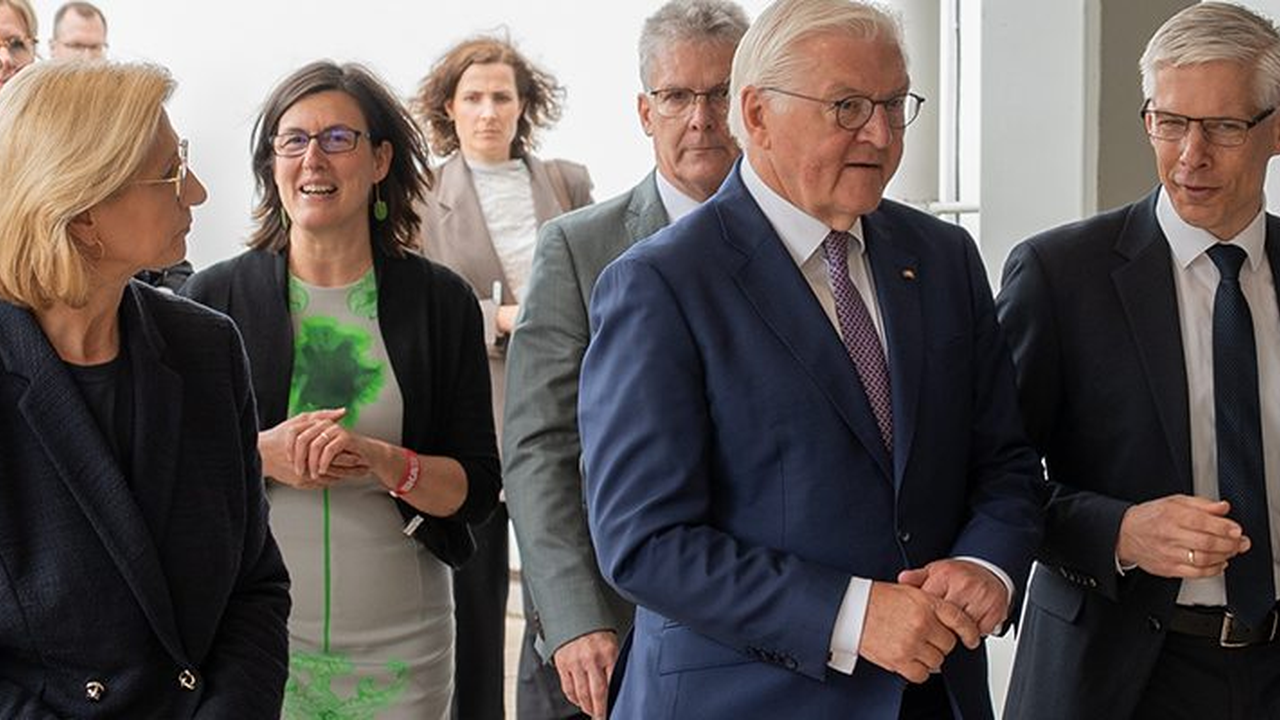
German Federal President Frank-Walter Steinmeier visited INM – Leibniz Institute for New Materials, a forefront institution for novel materials research, to observe groundbreaking work on “living materials.” Of particular note was the demonstration of fully recyclable, sustainable wood materials bonded with bio-based adhesives produced by specially designed bacteria, offering a significant advance in eco-friendly material development to replace conventional petroleum-based glues.
Technical Details
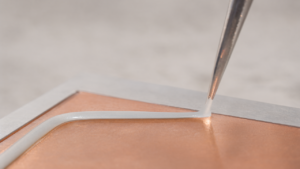
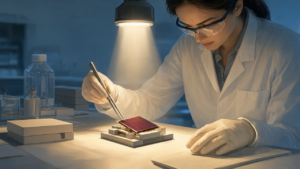
The “living materials” research showcased at INM exemplifies the fusion of materials science and biology. Specifically, the technology demonstrated involved particular bacterial strains utilizing substrates derived from natural resources, such as wood, to produce polymers with excellent adhesive properties. Unlike traditional synthetic adhesives based on petroleum, this bio-based adhesive is made from renewable resources and is designed to degrade easily in natural environments after use, thus significantly reducing environmental impact. The demonstration highlighted that wood materials bonded with this adhesive possess robust adhesion while also featuring “designed deconstructability,” allowing for material separation and recycling of individual components when needed. This facilitates the reuse and upcycling of wood, promoting waste reduction and resource circulation.
Background and Industry Context
Sustainability is one of the most critical challenges facing modern society, and in the field of materials science, there is strong demand to reduce reliance on petroleum resources and develop alternative materials with lower environmental impact. Particularly in the vast wood and furniture industries, the development of eco-friendly adhesives is an urgent priority. Traditional wood adhesives have posed issues such as the potential emission of harmful substances like formaldehyde and making recycling difficult by creating composite materials. INM’s research offers an innovative solution to these challenges, holding the potential to accelerate the transition to a circular economy. The Federal President’s visit underscores the German government’s strategic emphasis on such cutting-edge materials science research and sustainable technology development.
Future Outlook
The research on bio-based adhesives and recyclable wood materials demonstrated at INM represents a crucial direction for future material development. If this technology is commercialized, it will accelerate the transition to sustainable products across a wide range of industrial sectors, including construction, furniture, and automotive interiors. Furthermore, adhesive production utilizing bacteria also holds the potential for lower energy consumption and reduced CO2 emissions in manufacturing processes. Future research will focus on optimizing processes for mass production, improving cost-efficiency, and expanding the applicability to various types of natural materials. Ultimately, novel material technologies are expected to generate a new wave of innovation, strengthening the foundation for sustainable technologies and economic resilience, and making significant contributions to the greening of society as a whole.