Key Findings
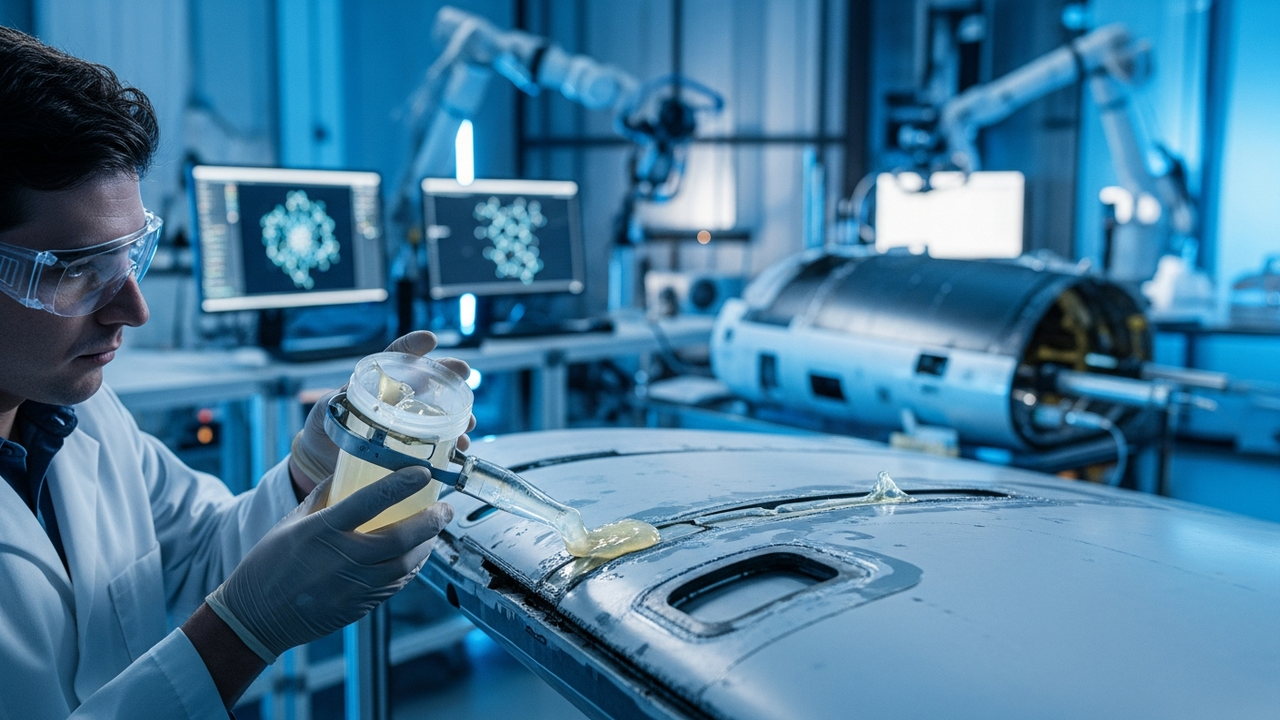
The Netherlands Organisation for Scientific Research (NWO), with strategic support from the Dutch Ministry of Defense, has launched ten new research projects focused on novel materials, including the development of smart bio-based fast debonding adhesives for temporary patch repair of composite materials. This groundbreaking adhesive aims to reduce the repair time and costs for composites—widely used in critical industries such as aerospace, automotive, and shipbuilding—by up to 50%.
Technical Details
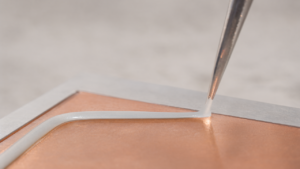
Central to this research project is the design of an environmentally friendly, bio-based adhesive capable of rapid and clean debonding under specific conditions. In composite material repair, it is crucial to quickly patch damaged areas and then efficiently remove old patches when further repair is needed. While conventional adhesives often involve time-consuming debonding processes or risk substrate damage, the adhesive under development is designed to selectively debond in response to external stimuli such such as heat, light, specific chemical solvents, or biological enzymes. This significantly enhances the efficiency of the repair process; for instance, in aircraft structures, reduced maintenance time directly translates to lower operational costs and increased uptime. The design, which considers recyclability and deconstructability, reduces the environmental impact across the entire material lifecycle, enabling more sustainable material management strategies.
Background and Industry Context
The use of composite materials is rapidly expanding in sectors like aerospace, automotive, and shipbuilding due to their lightweight and high-strength properties. These high-performance materials are susceptible to in-service damage, making their repair and maintenance critical for both safety and economic viability. Particularly for urgent repairs and the maintenance of large-scale structures, fast and reliable repair methods are essential. Furthermore, with strengthening environmental regulations, reducing waste and improving material recyclability during repair and decommissioning processes have become urgent priorities. The collaboration between NWO and the Ministry of Defense addresses these strategic needs for both military and civilian applications, aiming to position the Netherlands as a leader in novel materials technology.
Future Outlook
The development of this bio-based fast debonding adhesive holds the potential to fundamentally transform the paradigm of composite material repair and maintenance. If the goal of halving repair times is achieved, it is expected to lead to substantial reductions in operational costs and increased uptime for critical infrastructure like aircraft and ships. Moreover, by enhancing recyclability, it will improve the overall sustainability of composite materials throughout their lifecycle, contributing to reduced environmental impact. Future efforts will focus on further optimizing the technology, validating it in real-world environments, and preparing for mass production. Ultimately, this technology is expected to evolve into self-healing adhesives and bonding solutions that enable smart deconstruction of composites, becoming an indispensable foundational technology for a safer and more sustainable society.