Key Findings
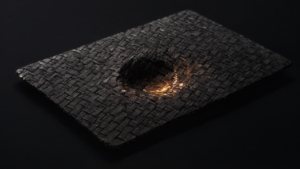
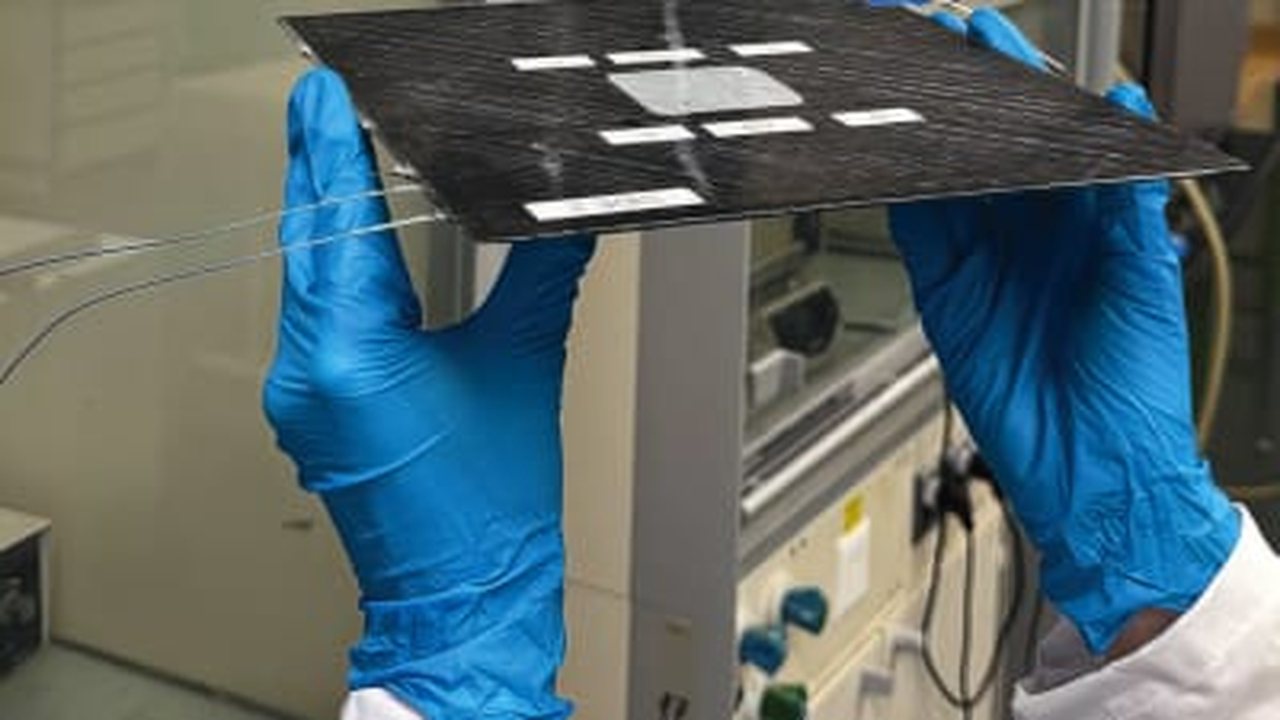
A consortium of European researchers has developed ‘HealTech,’ a groundbreaking self-healing composite material designed to dramatically improve the durability of spacecraft structures. This innovative material, a carbon fiber composite integrating both sensors and heating elements, possesses the remarkable ability to autonomously repair damage incurred from impacts or stress. This not only extends the operational lifespan of spacecraft but also significantly reduces the need for costly repairs and replacements, while contributing to the mitigation of space debris.
Technical / Clinical Details
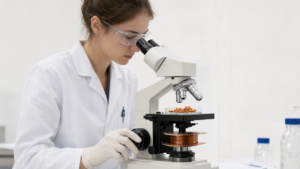
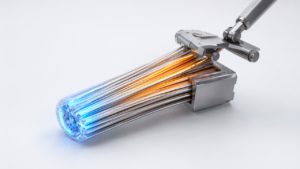
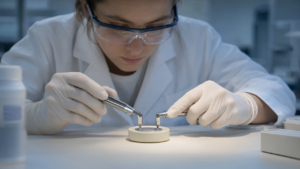
The HealTech material was developed through a collaborative effort leveraging expertise from CompPair and CSEM in Switzerland, and Com&Sens in Belgium, with support from the European Space Agency (ESA). The composite integrates embedded sensors to detect damage and heating elements that facilitate repair by supplying heat to the identified damaged areas. Upon damage, the sensors pinpoint the location and extent of the issue, activating the heating elements. This triggers a special polymer matrix within the material to initiate self-healing, effectively mending cracks and micro-damage. This process can restore the structural integrity of the material with minimal external intervention, enhancing the overall resilience of space vehicles.
Background & Context
The space environment presents extreme challenges for materials, including vast temperature fluctuations, intense radiation, and collisions with micrometeoroids and orbital debris. For reusable launchers and long-duration spacecraft, structural damage becomes a critical concern, impacting safety and operational costs. Traditionally, repairing damage in space is exceptionally difficult and expensive, often leading to curtailed missions or substantial maintenance expenditures. Self-healing materials like HealTech offer a transformative solution to these challenges, enhancing the sustainability of space exploration and commercial space activities. Europe aims to strengthen its leadership in the space industry through the advancement of such technologies.
Strategic Significance & Outlook
The success of HealTech suggests broad application potential beyond spacecraft, extending to high-stress environments on Earth such as aircraft, automobiles, and wind turbines. Its application to structural components of reusable launch vehicles, in particular, could lead to significant reductions in launch costs and more efficient operations. In the future, further advancements in this technology could enable it to address more complex damage patterns and improve healing speeds, potentially redefining material design standards across various industries. ESA is committed to further demonstrating this technology and integrating it into future space missions, solidifying its role in advancing resilient space infrastructure.