Key Findings
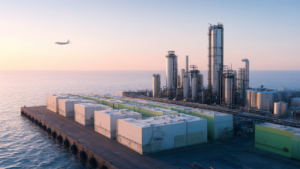
In 2026, Minnesota enacted new policy incentives designed to encourage the utilization of green hydrogen in the production of Sustainable Aviation Fuel (SAF). This development marks a critical step towards decarbonizing sectors that are particularly challenging to abate, such as the aviation industry. By harnessing green hydrogen for SAF production, Minnesota aims to accelerate its climate action initiatives and transition towards a cleaner energy economy.
Technical & Clinical Details
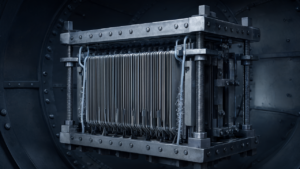
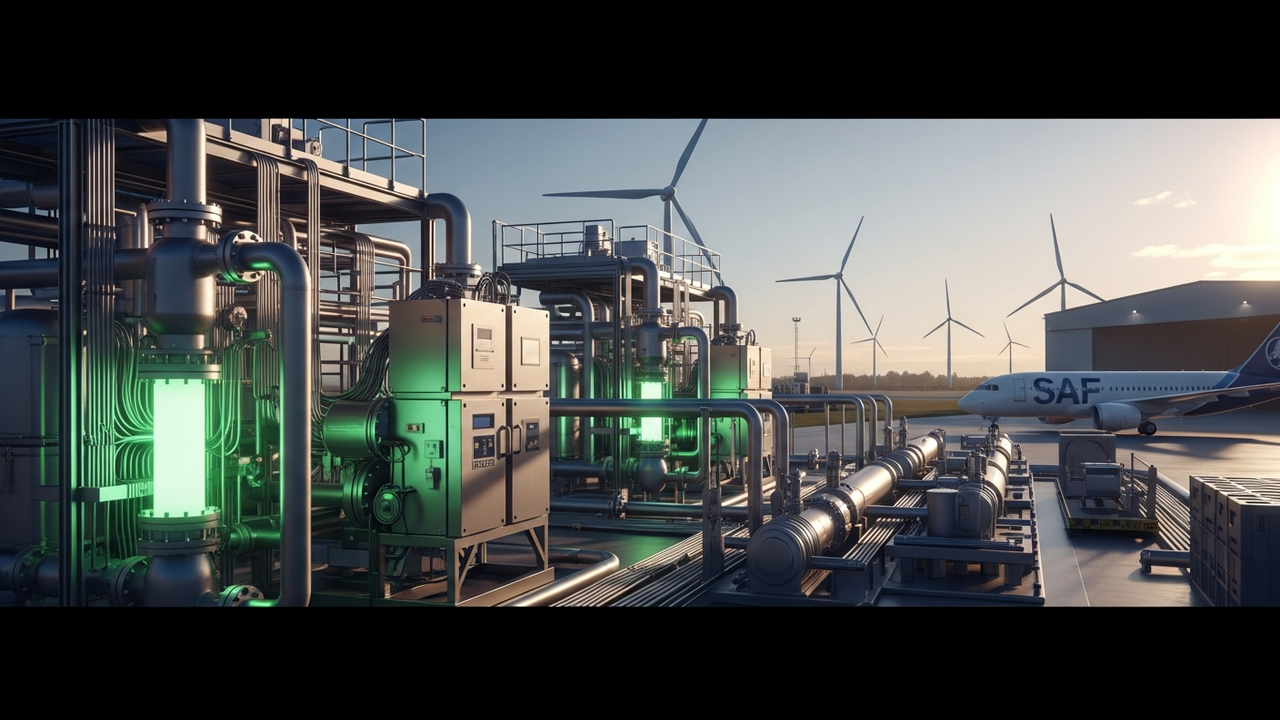
Central to this policy is green hydrogen, which is manufactured by electrolyzing water using renewable electricity sources like wind and solar power. The hydrogen generated through electrolysis becomes a key feedstock in the SAF production process. SAF itself is chemically identical to conventional jet fuel, functioning as a ‘drop-in’ fuel that can be used in existing aircraft engines and fueling infrastructure without any modifications. This characteristic enables the aviation industry to pursue decarbonization rapidly and efficiently. Beyond SAF, green hydrogen is also a versatile technology capable of contributing to decarbonization in steelmaking, ammonia production, and other industrial processes.
Background & Context
The global aviation industry faces immense pressure to reduce emissions due to climate change concerns, and SAF is a primary solution. However, SAF production costs remain high, making widespread adoption difficult without significant incentives. Minnesota’s new policy aims to enhance the economic viability of green hydrogen for SAF production, aligning with other federal policies such as the Inflation Reduction Act’s (IRA) 45V Clean Hydrogen Production Tax Credit. Such policy support is crucial for fostering the development and scaling of the green hydrogen supply chain, while also stimulating regional economic growth.
Strategic Significance & Outlook
The introduction of incentives for green hydrogen in SAF production in Minnesota has the potential to significantly influence decarbonization strategies within the U.S. and global aviation sectors. This policy will drive demand for green hydrogen and stimulate investment in related technologies, contributing to increased SAF production capacity and reduced costs. For researchers and engineers, it opens new avenues for research and development focused on improving SAF production efficiency and optimizing green hydrogen supply systems. For investors, it presents opportunities in the burgeoning SAF and green hydrogen markets, backed by governmental support, thereby making a sustainable future for aviation a tangible reality.