Key Findings
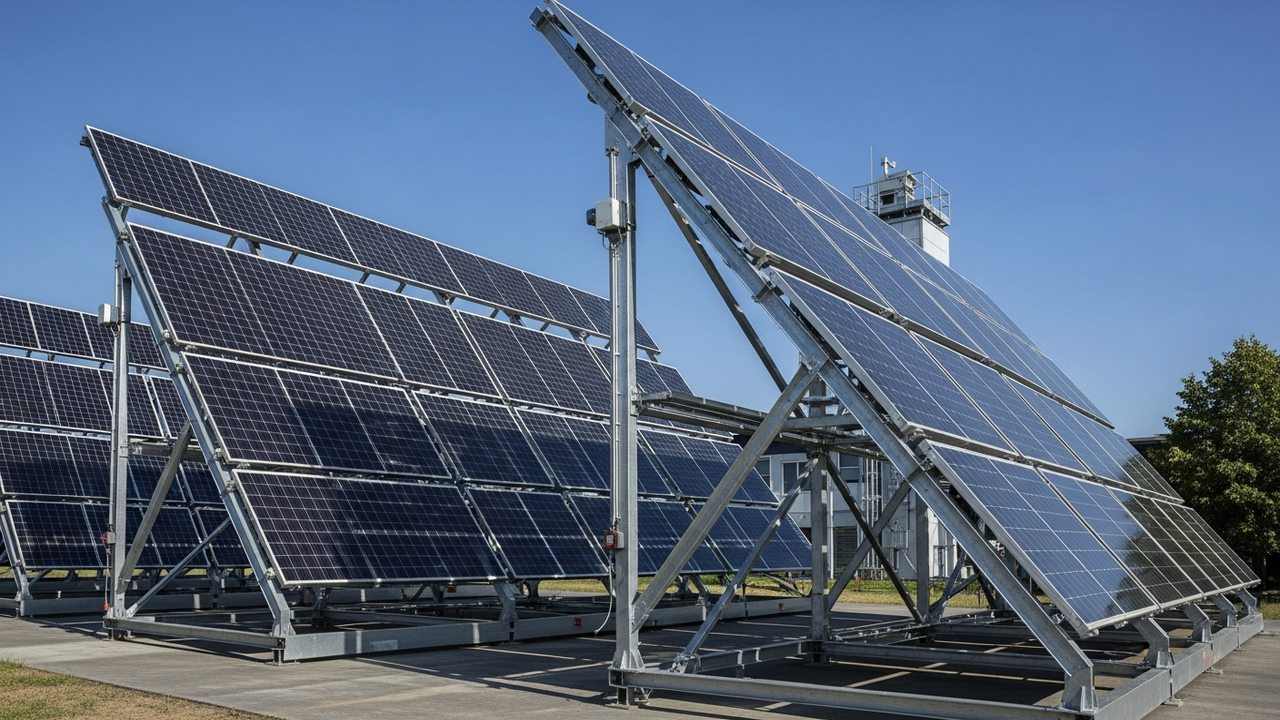
The Fraunhofer Institute for Solar Energy Systems (ISE) in Germany has unveiled a revolutionary photovoltaic water electrolysis system that achieves an extraordinary 31.3% solar-to-hydrogen (STH) conversion efficiency under outdoor conditions. This represents a world-leading efficiency for such systems reported to date, marking a significant breakthrough in the cost and efficacy of green hydrogen production. The system employs a unique direct coupling design, connecting a HyCon micro-concentrator photovoltaic (CPV) array directly to a Proton Exchange Membrane (PEM) electrolyzer without intermediate power converters, thereby minimizing conversion losses and maximizing overall system efficiency.
Technical & Clinical Details
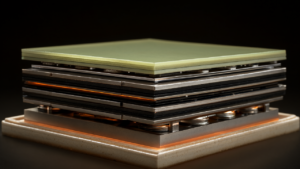
The system developed by Fraunhofer ISE utilizes highly efficient micro-concentrator solar cell modules that concentrate sunlight to generate high-density electrical power. This high-density DC power is then fed directly into a PEM electrolyzer, eliminating the need for additional power electronics such such as inverters or DC-DC converters. PEM electrolyzers are well-suited for efficient water electrolysis and produce high-purity hydrogen. By removing intermediate conversion steps, the system significantly reduces energy losses and lowers overall system complexity. This direct coupling method not only enhances the system’s total efficiency but also allows for greater hydrogen production per unit of installed area compared to conventional setups.
Background & Context
Green hydrogen, produced through water electrolysis using renewable energy, is widely regarded as a crucial clean energy carrier to replace fossil fuels. However, its production cost has remained a significant barrier, particularly for efficient hydrogen generation from solar power. Global industries aim for green hydrogen production costs below $2 per kilogram, a threshold considered vital for accelerating its widespread adoption across various sectors. Fraunhofer ISE’s breakthrough represents a critical technological milestone toward achieving this cost target, drastically improving the economic viability of green hydrogen, especially in regions abundant with renewable energy resources.
Strategic Significance & Outlook
A solar-to-hydrogen conversion system achieving 31.3% efficiency has profound implications for accelerating the commercialization of green hydrogen production. This technology is applicable not only to large-scale industrial uses but also to decentralized hydrogen production systems, potentially reducing the costs associated with hydrogen transportation and storage. Researchers and engineers will build upon this achievement to further enhance efficiency, optimize system durability, and scale the technology. For investors, this technology is highly attractive as it promises competitive green hydrogen supply, offering concrete solutions for industrial decarbonization. This progress is expected to further expedite decarbonization efforts in sectors such as steel, chemicals, and transportation.
Source: https://www.hydrogenfuelnews.com/green-hydrogen-news/fraunhofer-ise-solar-to-h2-efficiency/8130096/