Key Findings
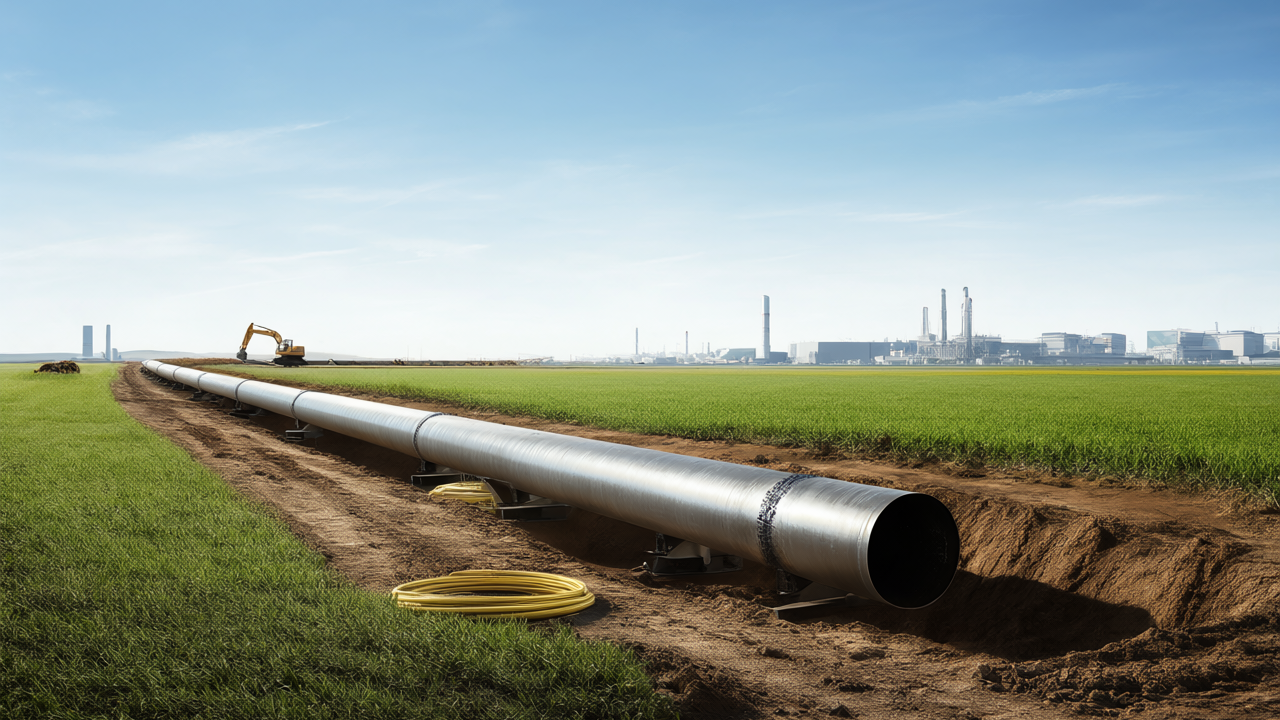
BMW Group’s Leipzig plant has officially broken ground on a 2-kilometer hydrogen pipeline, which will directly connect the facility to Germany’s future hydrogen core network. Slated for completion and operation in early 2028, this project will position the Leipzig plant as the world’s first automotive factory to receive a direct supply of hydrogen from a core grid.
Technical / Clinical Details
The construction of the dedicated pipeline is a collaborative effort involving local partners such as MITNETZ GAS and Ontras Gastransport. Upon activation, hydrogen will be directly supplied to the plant for various applications, primarily in internal logistics, powering hydrogen fuel cell forklifts and tow trucks. Additionally, it will be utilized in energy-intensive processes like heating for the paint shop, significantly reducing reliance on conventional fossil fuels and cutting emissions. This integration is a crucial component of the plant’s broader strategy to achieve a carbon-neutral production footprint.
Background & Context
The automotive industry faces increasing pressure to decarbonize its entire value chain, with manufacturing operations being a key focus area. The BMW Leipzig plant has already made significant strides, sourcing a substantial portion of its electricity from on-site wind turbines. The hydrogen pipeline project represents the next logical step in building a sustainable manufacturing ecosystem, aligning with Germany’s national hydrogen strategy to foster industrial hydrogen utilization. This initiative is co-funded by the European Regional Development Fund (ERDF) and the Free State of Saxony, underscoring the collaborative nature of this energy transition.
Strategic Significance & Outlook
The integration of a direct hydrogen pipeline is a major milestone for the BMW Leipzig plant on its path to carbon neutrality. This project serves as a critical demonstration of the feasibility and economic viability of hydrogen utilization in large-scale automotive manufacturing. Its success could provide a blueprint for other industrial facilities globally, accelerating the broader adoption of hydrogen as a clean energy carrier. Post-2028, the expanded use of hydrogen is expected to contribute to lower operational costs and reduced environmental impact, furthering the development of sustainable mobility solutions.
Get our weekly technology intelligence — free
Receive an infographic that lets you judge at a glance whether each field’s analysis report is worth reading.
Subscribe Free — Weekly Tech Intelligence
By subscribing, you’ll receive Troy-Technical’s weekly technology intelligence newsletter.
- Your email and selected fields are used only to deliver the newsletter.
- We never share your information with third parties.
- You can unsubscribe anytime via the link in each email.
See our Privacy Policy for details.
Takes about a minute · Unsubscribe anytime