Key Findings
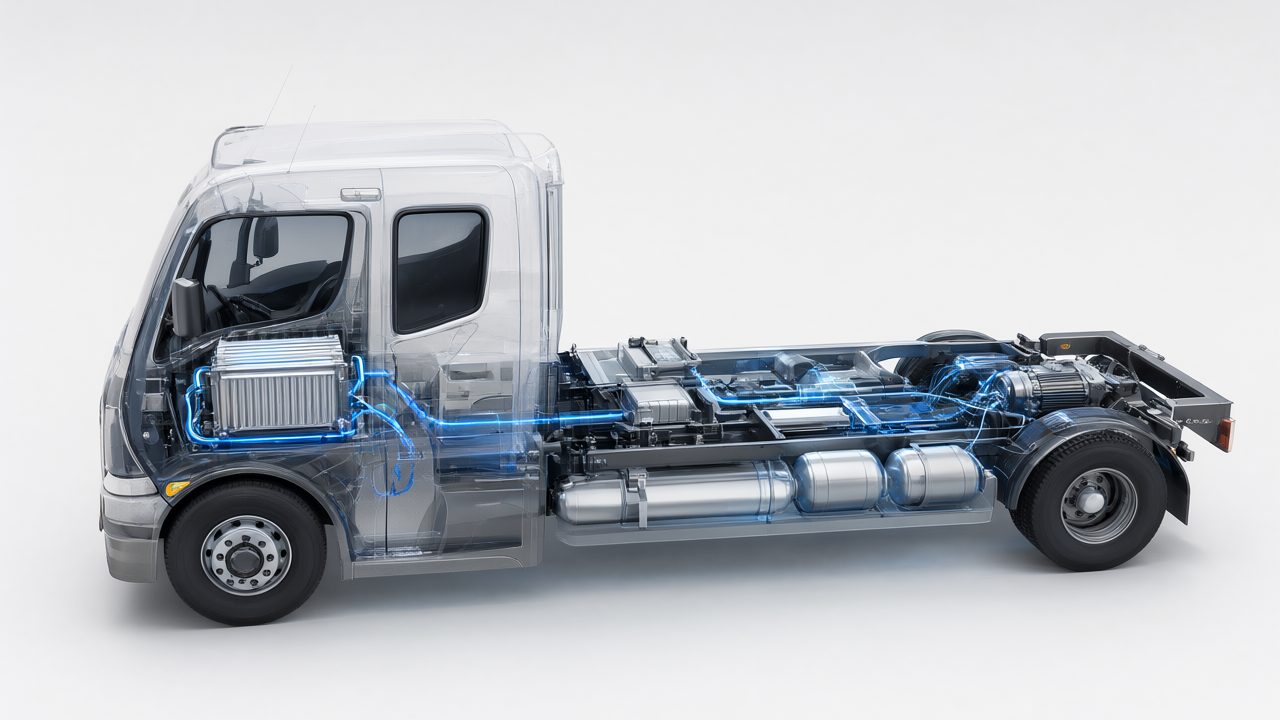
Toyota Motor Corporation is intensifying its investment and strategic focus on hydrogen fuel cell vehicles (FCVs) as part of its efforts to regain competitive ground in the electric vehicle (EV) market. A key initiative includes the March 2025 announcement of a joint development program with Japanese truck manufacturer Isuzu Motors for a light-duty electric truck, which will incorporate Toyota’s latest (3rd-generation) hydrogen fuel cell system. This project aims to commence mass production by the fiscal year ending March 2028.
Technical / Clinical Details
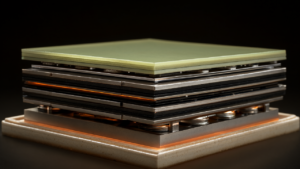
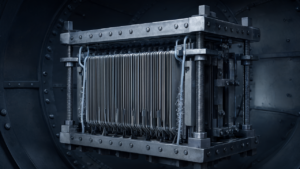
The collaboratively developed light-duty electric truck will feature Toyota’s highly efficient and compact 3rd-generation hydrogen fuel cell system. This advanced system boasts improved power density and energy conversion efficiency compared to previous FC systems, making it suitable for the extended range and high payload capacities required by commercial vehicles. By integrating Isuzu’s extensive commercial vehicle development expertise with Toyota’s cutting-edge FC technology, the partnership seeks to realize reliable and economically viable FCV trucks. Mass production is anticipated to occur at the J-Bus plant, a joint venture between Isuzu and Hino Motors, signaling the maturation of hydrogen-related technologies across the Japanese supply chain.
Background & Context
In the global drive towards decarbonization, reducing emissions from the transport sector, particularly heavy-duty commercial vehicles, is an urgent priority. While battery EVs are suitable for short-distance and lighter freight, hydrogen FCVs offer advantages for long-haul and heavier loads due to quicker refueling times and lighter vehicle weight. The Japanese government is actively promoting a national hydrogen strategy, with the expansion of hydrogen use in the transport sector being a key objective. Toyota views both battery EVs and FCVs as crucial strategic pillars, focusing on FCV potential in the commercial vehicle segment. The collaboration with Isuzu holds significant strategic importance for accelerating the adoption of FCV trucks in the Japanese and broader Asian markets.
Strategic Significance & Outlook
The target for mass production by fiscal year 2028 is expected to significantly influence the development of Japan’s hydrogen infrastructure, promoting the expansion of hydrogen refueling station networks and the reduction of hydrogen supply costs. This light-duty electric truck will drive the decarbonization of the logistics industry, contributing to a lower environmental footprint across the entire supply chain. Furthermore, the success of this initiative could inspire other commercial vehicle manufacturers, intensifying competition in FCV development. The Toyota-Isuzu collaboration is poised to be a pivotal step not only in developing advanced vehicles but also in establishing Japan’s leadership in the global hydrogen economy.
Source: https://asiatimes.com/2026/10/behind-in-evs-toyota-powering-ahead-with-hydrogen-vehicles/
Get our weekly technology intelligence — free
Receive an infographic that lets you judge at a glance whether each field’s analysis report is worth reading.
Subscribe Free — Weekly Tech Intelligence
By subscribing, you’ll receive Troy-Technical’s weekly technology intelligence newsletter.
- Your email and selected fields are used only to deliver the newsletter.
- We never share your information with third parties.
- You can unsubscribe anytime via the link in each email.
See our Privacy Policy for details.
Takes about a minute · Unsubscribe anytime