Key Findings
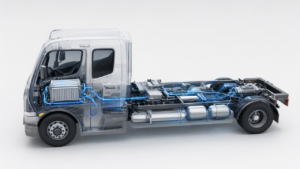
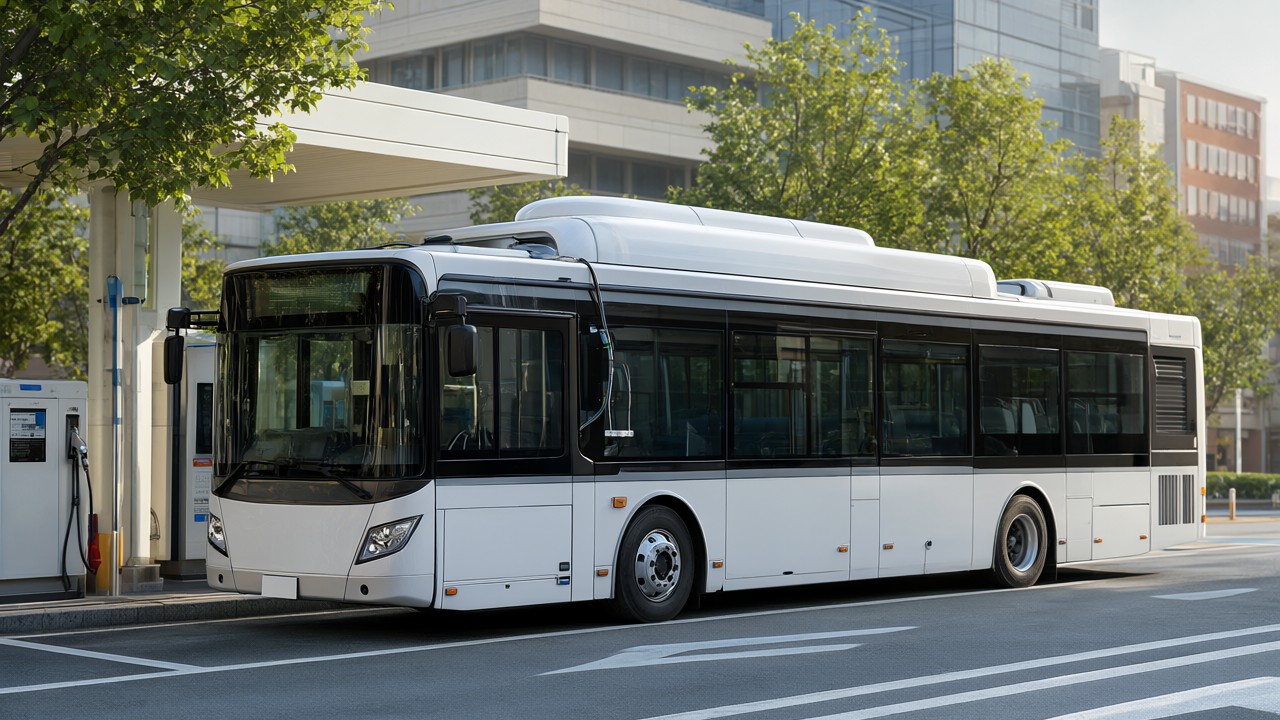
On October 9, 2026, Toyota Motor Corporation, in a collaborative effort with Isuzu Motors, announced the launch of their improved fuel cell route bus, the ‘Sora.’ This next-generation bus boasts a significantly extended range of over 300 km and features an impressive refueling time of approximately 10 minutes. The vehicle incorporates a compact fuel cell stack and a high-capacity battery, marking a substantial advancement in practical hydrogen mobility for public transportation systems.
Technical / Clinical Details
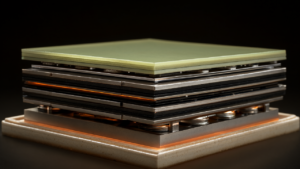
The new Sora bus leverages Toyota’s extensive expertise in fuel cell technology combined with Isuzu’s profound knowledge in commercial vehicle development. The achieved range of over 300 km is sufficient for covering most urban and suburban bus routes, making it a viable replacement for conventional diesel buses. The approximately 10-minute hydrogen refueling time is a critical operational advantage, minimizing downtime and allowing for high fleet utilization, a key differentiator compared to the longer charging times of battery-electric buses. The integrated fuel cell stack has undergone further miniaturization and efficiency improvements, contributing to better space utilization and optimal weight distribution within the vehicle. Furthermore, the combination with a high-capacity battery enables efficient regeneration of energy and effective response to temporary high-power demands, enhancing the overall system stability and economic performance.
Background & Context
As global efforts to decarbonize accelerate, achieving zero emissions in public transportation has become a paramount objective. Urban route buses, in particular, are significant contributors to air pollution and noise in metropolitan areas, making the transition to fuel cell buses an urgent priority. Toyota has consistently championed the vision of a hydrogen-based society, actively developing hydrogen technologies exemplified by its ‘MIRAI’ fuel cell electric vehicle. The collaboration with Isuzu is strategically important for accelerating the proliferation of hydrogen technology within the commercial vehicle sector. With many cities tightening emission regulations, high-performance fuel cell buses like the new Sora are becoming increasingly attractive options for municipalities and bus operators, poised for wider adoption as hydrogen infrastructure continues to expand.
Strategic Significance & Outlook
The launch of the new Sora is set to significantly advance the adoption of hydrogen fuel cell buses in public transportation, both in Japan and potentially internationally. The improvements in range and refueling time directly address key barriers to adoption for fleet operators, promising reduced operational costs and environmental impact. Future growth will depend on increasing deployment across various cities, further expansion of the hydrogen refueling station network, and continued cost reduction of the fuel cell system itself. The partnership between Toyota and Isuzu is also expected to contribute to the standardization of hydrogen technologies and strengthening of the supply chain in the commercial vehicle segment, with potential future applications extending to hydrogen trucks and other commercial vehicles. Investors should monitor developments in hydrogen-related technologies, fuel cell suppliers, and hydrogen infrastructure providers, as this sector presents substantial growth opportunities.
Get our weekly technology intelligence — free
Receive an infographic that lets you judge at a glance whether each field’s analysis report is worth reading.
Subscribe Free — Weekly Tech Intelligence
By subscribing, you’ll receive Troy-Technical’s weekly technology intelligence newsletter.
- Your email and selected fields are used only to deliver the newsletter.
- We never share your information with third parties.
- You can unsubscribe anytime via the link in each email.
See our Privacy Policy for details.
Takes about a minute · Unsubscribe anytime