Key Findings
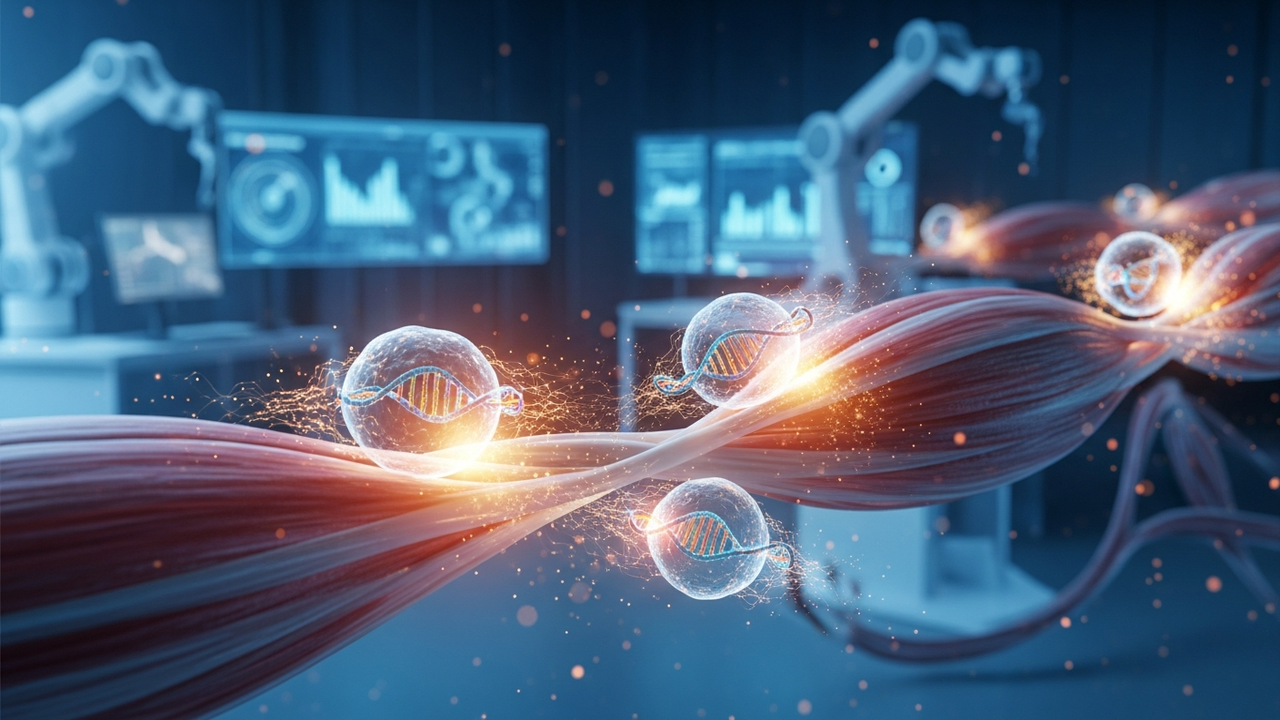
Researchers at The University of Texas MD Anderson Cancer Center have made a significant advancement in the treatment of Duchenne muscular dystrophy (DMD). They have developed a novel therapeutic platform that uses engineered extracellular vesicles (EVs) to efficiently deliver messenger RNA (mRNA) encoding the full-length DMD gene. This approach successfully restored dystrophin protein production in preclinical models of DMD, leading to dramatic *in vivo* improvements in muscle strength, endurance, and overall function. This breakthrough addresses critical limitations of conventional viral-based gene therapies, heralding a potential new era for DMD treatment.
Technical / Clinical Details
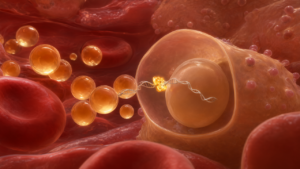
- Full-Length DMD mRNA Delivery: DMD is caused by mutations in the dystrophin gene, which is one of the largest known human genes. Existing adeno-associated virus (AAV) gene therapies are typically limited by their small packaging capacity, necessitating the use of truncated micro-dystrophin versions. The MD Anderson team, however, engineered naturally occurring EVs to encapsulate and deliver mRNA encoding the *full-length* DMD gene to target muscle cells. This ability to deliver a full-sized functional gene is crucial for achieving more complete physiological restoration.
- Dramatic Restoration of Muscle Function: In preclinical DMD mouse models, mice treated with the EV-based mRNA therapy exhibited robust restoration of dystrophin protein expression, leading to a profound amelioration of muscle pathology. Specifically, significant improvements in measurable muscle strength, exercise endurance, and overall physical function were observed *in vivo*. These findings suggest the potential not only to slow disease progression but also to reverse existing muscle damage.
- Enhanced Safety and Reduced Immunogenicity: While viral vectors offer high transduction efficiency, they often provoke immune responses and face limitations regarding repeat dosing. EVs, as naturally derived nanoparticles, are inherently less immunogenic compared to viral vectors, potentially leading to a significantly reduced risk of side effects. Furthermore, engineering the surface of EVs allows for precise targeting to specific cell types or tissues, enhancing therapeutic specificity and minimizing off-target effects.
Background & Context
Duchenne muscular dystrophy is a severe, progressive genetic disorder affecting approximately 1 in 3,500 male births worldwide. It is characterized by the absence or dysfunction of the dystrophin protein, leading to relentless muscle degeneration, eventually resulting in cardiac and respiratory failure. Current treatments are largely palliative, and while gene therapies like exon-skipping and micro-dystrophin delivery have emerged, providing a full-length dystrophin protein has remained a significant challenge. The EV-mediated full-length DMD mRNA delivery strategy potentially resolves key issues of payload capacity and immunogenicity associated with viral vectors, thus establishing a new paradigm in DMD therapy.
Strategic Significance & Outlook
These preclinical findings offer immense hope for DMD patients. Future research will focus on the long-term safety, stability, and further optimization of manufacturing processes for EV-based mRNA therapies. While human clinical trials are still some time away, successful translation of this technology could have profound implications not only for DMD but also for other genetic disorders requiring the delivery of large genes, such as cystic fibrosis and Huntington’s disease. MD Anderson Cancer Center’s advancement in non-viral gene delivery is poised to exert a broad and transformative impact across the entire field of regenerative medicine.
Get our weekly technology intelligence — free
Receive an infographic that lets you judge at a glance whether each field’s analysis report is worth reading.
Subscribe Free — Weekly Tech Intelligence
By subscribing, you’ll receive Troy-Technical’s weekly technology intelligence newsletter.
- Your email and selected fields are used only to deliver the newsletter.
- We never share your information with third parties.
- You can unsubscribe anytime via the link in each email.
See our Privacy Policy for details.
Takes about a minute · Unsubscribe anytime